What is Verona famous for in the world of cultured city breaks
Verona in northern Italy is renowned for its layered history, refined hospitality, and walkable city layout that suits a short luxury stay. The city is officially recognised as a UNESCO World Heritage Site, inscribed in 2000 for its exceptionally well preserved Roman remains, medieval streets, and Renaissance palaces, which gives high end travellers a dense concentration of cultural experiences within a compact area. When you plan a premium escape, understanding what makes Verona stand out helps you choose the right neighbourhood, the right hotel, and the right way to spend each day.
At the heart of what makes Verona city special is its role as the setting of William Shakespeare’s “Romeo and Juliet”, which turned the city into a global symbol of romance and gave a timeless aura to every piazza and alley. The official tourism board of Verona still answers the question “What is Verona famous for?” with the same core idea recorded by UNESCO: Verona is renowned for its historical monuments and for the enduring association with Shakespeare's tragedy. This literary connection shapes everything from curated Romeo and Juliet themed suites to private terrace dinners overlooking the Adige River, so it directly influences how luxury and premium hotels design experiences.
Verona is also celebrated for its Roman Arena, its elegant piazza network, and its Veronese food and wine culture that rivals larger Italian cities. The Arena Verona amphitheatre, the Piazza Bra promenade, and the medieval Piazza delle Erbe together form a triangle where many of the best five star properties cluster, because guests want to step from their house like suite straight into living history. For luxury travellers, the city is synonymous with Roman spectacle, Venetian era elegance, and contemporary Italian comfort within walking distance of your room.
Roman heritage, the Arena Verona, and where to stay nearby
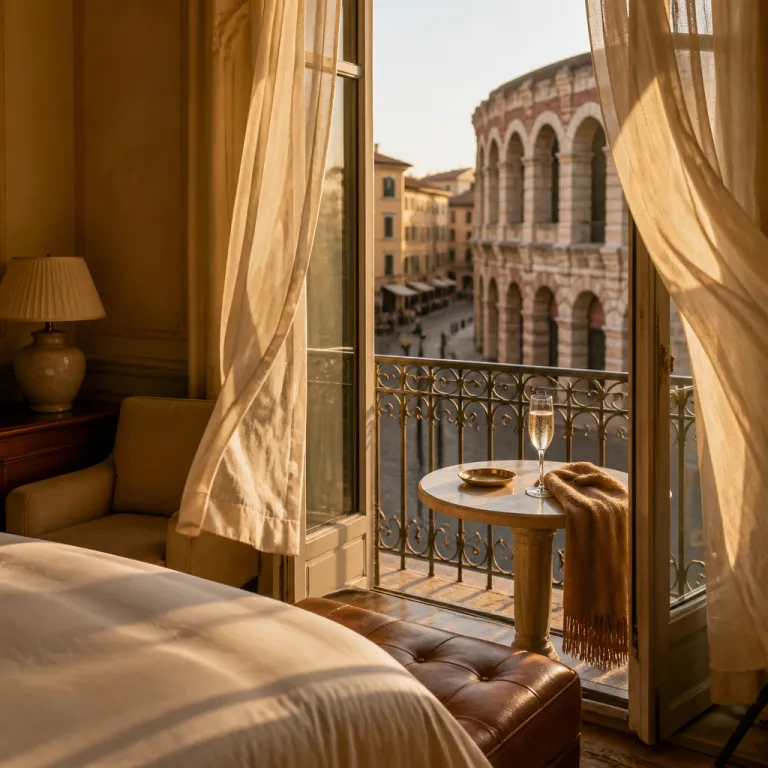
Roman Verona is the backbone of the city’s identity, and the Arena Verona is the single most iconic monument for visitors who value culture and comfort in equal measure. This vast first century Roman amphitheatre dominates Piazza Bra, and during opera season the Arena becomes one of the best open air stages in Italy, with performances typically running from June to early September. In recent seasons, classics such as “Aida” and “La Traviata” have filled the programme, and many luxury hotels design opera packages around specific performance dates, so if you are planning what to do in Verona in one day or over a long weekend, staying within a short walk of Piazza Bra lets you enjoy late performances and still be back in your suite in minutes.
The area around the Arena is also where Verona city shows its most polished face, with marble pavements, colonnaded cafés, and discreet entrances to high end properties that open onto quiet courtyards. When you consider what Verona is best known for among architecture lovers, the answer often includes the way Roman layers sit beside medieval and Renaissance buildings from every century, and nowhere is this more visible than the walk from Piazza Bra to Piazza delle Erbe. Along this route you cross streets that follow the curve of the original Roman walls, pass palaces linked to the powerful Della Scala family, and reach the riverfront where the Adige River reflects the city lights at night.
For travellers who want their hotel to be part of the cultural story, properties that integrate art collections and Roman fragments into their lobbies are especially appealing. To understand how such places shape a city’s cultural conversation, look at this guide to art collecting hotels and gallery like lobbies, then apply the same lens when choosing where to stay near the Arena Verona. You will find that the best addresses use Roman stonework, curated Italian artworks, and views of Piazza Bra to create a sense of place that captures Verona’s character in a single glance from your window; one guest at a leading property described watching “the last notes of ‘Nessun dorma’ drift across the square as candles flickered on the balcony.”
Juliet’s House, Shakespearean romance, and refined stays in the historic core
Many travellers first ask what is Verona famous for because of the Romeo and Juliet legend, and the answer leads them straight to Juliet’s House in the medieval core. This house, with its small courtyard and balcony where Juliet opens a window in countless retellings, has become a pilgrimage site for couples and literature lovers who want to feel close to Shakespeare’s characters. Luxury hotels nearby often curate private after hours visits to the Juliet House museum, allowing guests to stand alone in the courtyard and appreciate the building’s fourteenth century details without the daytime crowds.
The surrounding streets between Piazza delle Erbe and Piazza dei Signori form one of the most atmospheric quarters in the city, and they are ideal for travellers who want to stay immersed in Veronese history. Here you can walk from your hotel to the Piazza delle Erbe market in minutes, then continue to Piazza dei Signori where statues of figures such as Cangrande I Della Scala recall the city’s political power in the Middle Ages. When you look up at the Juliet balcony or cross the nearby Ponte Pietra bridge, you understand what Verona is renowned for beyond the cliché of Romeo and Juliet; it is admired for preserving a complete urban fabric where every house and piazza tells part of the story.
For winter city breaks, Verona pairs well with other European cultural escapes, such as the Christmas markets of Central Europe. If you enjoy planning seasonal trips with a similar level of comfort and atmosphere, this refined guide to a Christmas market city break offers a useful benchmark for service and ambience that you can expect in Verona as well. Whether you stay one day or several days, choosing a property between Juliet’s House, Piazza delle Erbe, and Piazza dei Signori keeps you close to the places Verona is most associated with while still offering quiet corners for a glass of wine at night.
Hills, river views, and the elevated charm of Castel San Pietro
Another essential part of what Verona is famous for is its dramatic topography, especially the hillside crowned by Castel San Pietro above the Adige River. From the terraces near Castel San Pietro you enjoy one of the best panoramas in Italy, with the Roman Ponte Pietra bridge in the foreground and the domes and towers of Verona city stretching into the distance. Luxury travellers often choose suites or rooftop bars that frame this same view, because it captures Roman, medieval, and Renaissance Verona in a single sweep.
The climb to San Pietro, whether by funicular or on foot, is a highlight of any day in the city and a reminder that Verona’s beauty is not limited to its piazzas. As you ascend from the riverbank near Ponte Pietra, you pass quiet lanes, terraced gardens, and small churches dedicated to San Giorgio and other saints, which show how the city expanded over each century. When you reach the top, you see another layer of what Verona is known for: the way the Adige River curves around the historic core, creating natural viewpoints that hotels and wine bars now use to frame sunset experiences.
Many premium properties on this side of the river offer rooms that face either Castel San Pietro or the water, and some include private terraces where guests can enjoy local food and wine in complete privacy. These stays are ideal for travellers who want quick access to the centre while enjoying a quieter residential atmosphere, especially if they plan to visit Lake Garda on a day trip and return to Verona for the evening. When you choose such a location, you remain close to the landmarks that define Verona’s reputation, yet you gain a sense of retreat that feels more like a private house than a conventional city hotel.
Veronese food, wine, and where to eat well between piazzas
Food and wine are central to what Verona is famous for, and they shape how luxury travellers plan each day in the city. The surrounding Veneto region produces some of Italy’s best wines, including Amarone della Valpolicella and Valpolicella Classico, which you will find on tasting menus in refined restaurants around Piazza delle Erbe and Piazza Bra. Many high end hotels now offer curated food and wine itineraries that link Veronese osterie, contemporary dining rooms, and countryside vineyards into a seamless experience.
When you think about where to eat in Verona, focus on places that highlight seasonal Veronese dishes such as risotto all’Amarone, pastissada de caval, and freshwater fish from Lake Garda. These menus pair naturally with local wine flights, and they often unfold in dining rooms that overlook a piazza or the Adige River, which adds a sense of theatre to each course. For travellers who value both gastronomy and design, some of the best hotel bars in the city now act as neighbourhood guides, and you can see this trend reflected in curated lists such as the best city break hotel bars where cocktail lists map the area.
Luxury properties often integrate cooking classes, market tours around Piazza delle Erbe, and private tastings in their packages, which helps guests understand what Verona is appreciated for beyond monuments. A typical day might start with a guided walk through the food stalls of Piazza delle Erbe, continue with a lunch that pairs Veronese food and wine, and end with a sunset drink on a terrace facing Castel San Pietro. When you choose hotels that curate such experiences, you turn every meal into a way of reading the city, and you leave with a deeper sense of how Italian culinary traditions and local hospitality intersect in Verona.
Practical luxury: Verona Card, day trips, and planning your stay
Understanding what Verona is famous for also means planning the practical side of a luxury stay, from museum access to day trips into the Veneto countryside. The Verona Card is a city pass that covers many key attractions, including the Arena Verona, Juliet’s House, and several Roman and medieval sites, and it can be a smart choice even for premium travellers who value time as much as money. By using the Verona Card, you reduce queuing, streamline your visits, and leave more space in your schedule for slow lunches, spa time, or a glass of wine on your balcony.
Many guests combine a stay in Verona city with an excursion to Lake Garda, which lies less than an hour away and offers sailing, lakeside promenades, and vineyard visits. This combination highlights another aspect of what Verona is known for: the city acts as a refined base for exploring the wider Veneto region while still returning each evening to Roman stones and illuminated piazzas. High end hotels often arrange private transfers to Lake Garda, curated boat trips, and winery visits, so you can experience both urban culture and lakeside calm without logistical stress.
When choosing where to stay, consider how you like to move through a city and which elements of Verona’s identity resonate most in your own imagination. If opera and Roman history are your priorities, focus on properties near Piazza Bra and the Arena Verona; if you are drawn to Romeo and Juliet stories and medieval alleys, look around Juliet’s House, Piazza delle Erbe, and Piazza dei Signori. Whatever you choose, a well planned itinerary that balances monuments, food and wine, river walks along the Adige River, and perhaps a sunset at Castel San Pietro will show you exactly why Verona holds such a special place in Italy’s constellation of cultured city breaks.
Key figures that shape Verona’s cultural appeal
- Verona has a population of around 255,000 inhabitants, which keeps the city large enough for varied cultural events yet compact enough for a walkable luxury stay, according to 2023 demographic data from the Italian National Institute of Statistics (ISTAT).
- The historic centre of Verona was inscribed as a UNESCO World Heritage Site in 2000, a recognition that underlines why the city is famous for its Roman, medieval, and Renaissance urban fabric, as recorded in the UNESCO World Heritage Committee decision.
- The city’s origins trace back to the first century BC, when it was founded as a Roman settlement, which explains the prominence of the Arena Verona and other Roman structures in today’s visitor experience.
- Local tourism strategies emphasise conservation of historical sites, cultural festivals, and guided tours, and these methods aim to increase cultural appreciation and economic growth through high value tourism rather than mass volume.
FAQ about what makes Verona special for luxury travellers
What is Verona famous for beyond Romeo and Juliet
Verona is famous for its exceptionally preserved Roman Arena, its medieval and Renaissance architecture, and its status as a UNESCO World Heritage Site. The city is also renowned for Veronese food and wine traditions, especially Amarone and Valpolicella from the surrounding Veneto region. Together these elements create a compact destination where culture, gastronomy, and refined hospitality intersect.
Is Verona a good base for a short luxury city break
Verona is ideal for a two or three night city break because most major sights sit within a small historic core. High end hotels cluster around Piazza Bra, Piazza delle Erbe, and the Adige River, so you can walk almost everywhere while enjoying premium services. The city’s scale allows you to balance sightseeing, spa time, and fine dining without feeling rushed.
How does the Verona Card benefit premium travellers
The Verona Card offers entry to key attractions such as the Arena Verona and Juliet’s House, and it often includes priority access that reduces waiting times. Even for luxury travellers, the main value lies in convenience and time savings rather than cost alone. By simplifying logistics, the pass frees more time for private tours, long lunches, or shopping.
When is the best time to visit Verona for opera and culture
The main opera season at the Arena Verona runs during the warmer months, typically from early summer to early autumn, when performances take place in the open air amphitheatre. These dates are popular with high end travellers who combine cultural evenings with stays in nearby hotels overlooking Piazza Bra. Outside opera season, Verona still offers a full calendar of exhibitions, concerts, and food festivals.
Is Verona easy to combine with Lake Garda and other Veneto destinations
Verona sits close to Lake Garda and has strong rail links across the Veneto region, which makes it an excellent base for day trips. Many luxury hotels arrange private transfers to lakeside towns or nearby vineyards, allowing guests to experience both city culture and countryside relaxation. This combination enhances the appeal of Verona for travellers seeking varied yet comfortable itineraries.