Why old bones make the most compelling city break stays
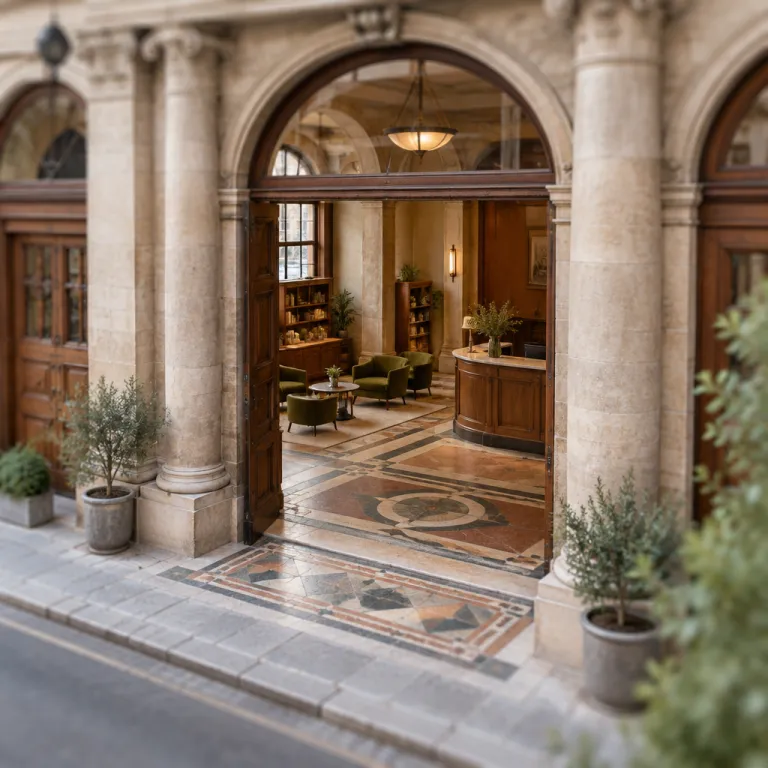
Step into a former bank turned luxury hotel and you feel the bones of the building immediately. The generous proportions, the historic ceiling heights and the weight of stone and marble create a sense of occasion that no value-engineered new build can quite match. For couples planning a city break, this is where the idea of a converted historic building hotel stops being jargon and becomes the difference between a stay and an experience.
In these historic buildings, the original architectural rhythm still guides how you move through the space, from the old office building corridors to the grand banking hall now reimagined as a lobby. Sensitive reuse projects keep the building original where it matters, then layer in modern amenities with restraint so that the patina of time remains visible. You notice the way a former office doorframe sits slightly off centre, or how a historic building staircase curves more generously than any contemporary fire stair ever would.
This tension between past and present is the quiet luxury of adaptive reuse in hospitality design. A converted bank, station or civic building carries stories of the city’s economic and cultural life that a ground-up project simply cannot fabricate. When you choose a hotel created through thoughtful reuse of an existing structure, you are paying for irreplaceable heritage rather than just another set of rooms in the sky.
From vaults to suites: how past functions shape present hospitality
The most memorable historic hotels lean into their former lives rather than smoothing them away. In a converted bank, the vault might become a cocooned spa suite, while the old counting office transforms into an intimate bar where guests can still read the building original brass plaques. This is adaptive reuse at its most evocative, where every hospitality project decision respects the historic building instead of fighting it.
Across America and in cities like San Francisco, former train station buildings, post offices and civic halls are quietly becoming some of the most characterful hotels the country now offers. A decommissioned station concourse might evolve into a soaring lobby, while a side office becomes a snug library for guests who prefer a glass of wine to a crowded bar. When you walk through these reuse projects, you feel the previous function in the bones, yet you also appreciate the modern amenities that make a romantic weekend actually comfortable.
Thoughtful conversion of a historic property is not about freezing a place in time; it is about historic preservation that still allows for pleasure. A former office building can host a luxury hotel if the adaptive design keeps the cultural memory of work and trade alive in subtle ways. For a deeper look at how a sacred space can be reimagined without losing its soul, read our piece on what a converted chapel tells you about a city that respects its own story.
How adaptive reuse roots a hotel in its neighbourhood story
New builds often arrive with an imported brand aesthetic that could sit in any global gateway city. By contrast, a hotel created through careful reuse of a historic structure is anchored in its street, its block and its local cultural history from the first brick. The façade, the cornices and the way the building meets the pavement all speak the dialect of that specific neighbourhood.
When a former office building or train station joins the ranks of historic places on a national register, it gains formal recognition as part of the city’s shared memory. Turning such a historic building into a luxury hotel is not just a design project; it is a hospitality promise to keep those memories accessible to guests as well as residents. You see this in San Francisco, where several historic buildings on the National Register of Historic Places now operate as hotels that still feel like part of the civic fabric rather than sealed-off resorts.
For couples, this rootedness translates into richer weekends. You step out of the lobby and you are already in the story, not on the edge of it, because adaptive reuse hotels across America tend to occupy central, walkable plots that once housed banks, post offices or civic offices. To understand how this sense of place extends right down to what is in your glass, explore how local craft shapes a property’s character in our feature on the minibar that tells a story.
Trade offs and telltale signs of a respectful conversion
No honest review of historic hotel conversions would pretend there are no compromises. Historic buildings come with awkward layouts, eccentric room shapes and sometimes challenging acoustics that no amount of insulation can fully erase. The best luxury hotel teams treat these quirks as features, not flaws, and they communicate clearly with guests about what to expect.
Look for how the project handles circulation and light, especially in former office building corridors or deep-plan bank halls. A thoughtful reuse project will carve out internal courtyards, borrow light through glass partitions and use energy-efficient systems that respect both comfort and historic preservation. When a hotel simply keeps the façade of a historic building and guts the interior into a generic layout, you feel the disconnect between the architectural promise outside and the bland reality inside.
There are also financial trade offs that shape what you experience as a guest. True adaptive reuse projects invest heavily in structural reinforcement, conservation of stone and plaster, and careful integration of modern amenities such as lifts, climate control and accessible bathrooms. If room rates seem high, remember that you are helping to keep a piece of the city’s heritage alive rather than funding yet another anonymous tower.
How to choose the right converted bank or civic building for your stay
When you scroll through citybreakstay.com or any curated platform, start by reading how the hotel talks about its own building. A property that has embraced the reuse of a historic bank, station or civic landmark will usually explain the building original purpose, whether it was a bank, a train station or an office building tied to local commerce. You want to see references to specific historic events, named architects or a clear link to the city’s cultural life.
Next, study the photographs with an architectural eye rather than just a lifestyle lens. Do you see original stone columns, timber beams, vault doors or staircases that clearly belong to a different era, integrated gracefully with modern amenities such as subtle lighting and contemporary furniture? If every interior shot could belong to any new build anywhere in the United States, the adaptive reuse may have been more marketing phrase than meaningful design strategy.
Finally, read recent guest reviews with attention to how people describe the atmosphere. Mentions of creaking floors, generous ceiling heights, slightly idiosyncratic room layouts and a strong sense of place usually signal a genuine reuse project rather than a superficial facelift. For couples, these are the details that turn a short city break into a stay that lingers in the memory long after check out.
FAQ
Why choose a converted bank or historic building over a new build hotel ?
A converted bank or civic building offers proportions, materials and quirks that standard new build hotels rarely match. You gain a stronger connection to the city’s history, because adaptive reuse keeps visible traces of the building original life. For many couples, that sense of story is worth more than a perfectly standardised room.
Are adaptive reuse hotels less comfortable than modern properties ?
Comfort depends on how well the reuse project integrated modern amenities into the historic shell. High quality adaptive reuse hotels invest heavily in insulation, climate control and plumbing while preserving key architectural features. You may notice a few quirks, but you should still expect strong showers, good soundproofing and reliable Wi Fi.
How can I tell if a conversion respected historic preservation standards ?
Look for references to local heritage bodies, the National Register of Historic Places or similar registers in other countries. Hotels that highlight collaboration with conservation architects and mention specific historic preservation measures usually took the process seriously. If the marketing only talks about style with no detail on the building’s history, the conversion may have been more cosmetic.
Do adaptive reuse hotels tend to be more energy efficient ?
Many adaptive reuse projects use the inherent thermal mass of historic buildings and upgrade windows, roofs and systems to modern energy efficient standards. Reusing an existing structure also avoids the carbon cost of new construction materials. That said, performance varies, so check whether the hotel discusses sustainability measures openly.
Are there drawbacks to staying in a historic bank or station hotel for a city break ?
The main drawbacks are potential layout quirks, occasional noise from original windows and sometimes fewer rooms with identical layouts. Lifts may be smaller, and some corridors can feel more labyrinthine than in a new build. If you value character and narrative over absolute uniformity, these trade offs are usually easy to accept.
Sources
National Park Service – National Register of Historic Places ; American Institute of Architects ; U.S. Green Building Council.