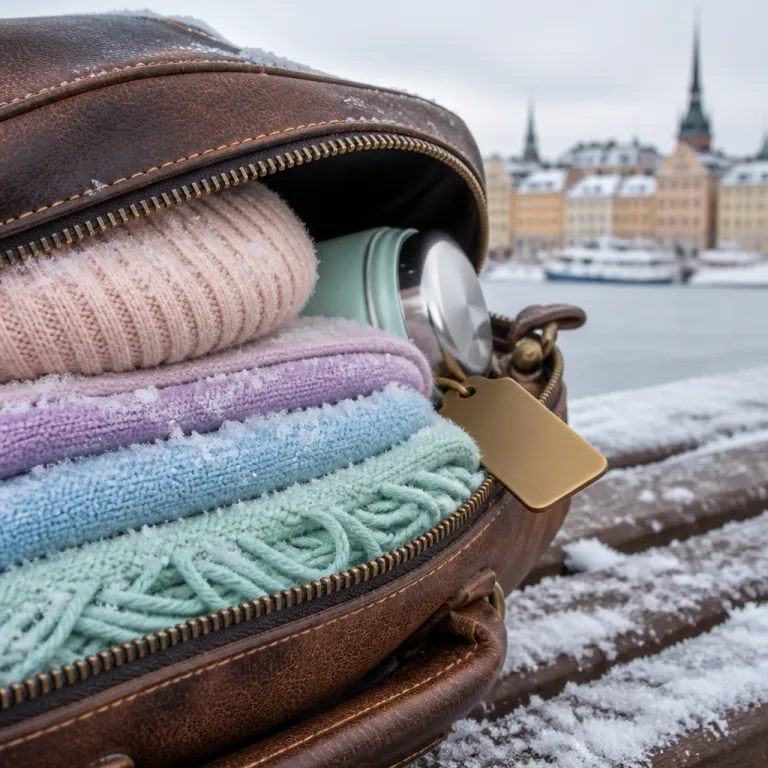
Why Stockholm in winter is a sophisticated city break choice
Stockholm in winter rewards travellers who appreciate atmosphere, culture, and quiet luxury. The city turns into a soft white tableau, with frozen waterways, muted light, and a calm rhythm that suits premium hotels and curated experiences. For guests used to busy Mediterranean escapes, this Nordic pause in Stockholm, Sweden feels both soothing and invigorating.
From December to February, temperatures in Stockholm winter often sit between about −5 °C and 0 °C, so the cold is real but manageable with proper layers. According to the Swedish Meteorological and Hydrological Institute (SMHI), the long-term average temperature in central Stockholm is just below freezing in January, confirming the need for warm but practical clothing. This climate shapes how you plan your time in the city, from choosing a hotel with a strong wellness offering to scheduling indoor museum visits between outdoor walks. Visit Stockholm, the city’s official tourism body, describes the season clearly; “Stockholm transforms into a winter wonderland with snow-covered landscapes and festive activities,” especially from late November through February.
Luxury travellers value reliability, and winter Stockholm delivers that through efficient infrastructure and polished hospitality. Public transport, run by SL (Storstockholms Lokaltrafik), stays operational even when ice coats the streets, which means your transfers between the hotel, a museum, and dinner remain smooth. For a premium city break, that combination of Swedish charm, design-focused hotels, and dependable logistics makes visiting Stockholm in winter a confident choice for guests who want culture, comfort, and a sense of place.
Choosing the right luxury hotel for Stockholm in winter
Where you stay in Stockholm, Sweden during winter shapes every moment of your trip. In the darker months, the hotel becomes more than a base; it is your warm living room, spa, and cocktail bar between forays into the city. When you compare options, focus on location, wellness facilities, and winter-friendly services rather than only on room size, especially if you are looking for luxury hotels near Gamla Stan in winter.
For first-time visitors, a hotel near Gamla Stan or the waterfront gives you instant access to the royal palace, the Christmas markets, and the main museums. Being able to walk from your hotel to Gamla Stan on a crisp winter day, then continue by boat tour or metro, keeps logistics simple and elegant. If you prefer a quieter stay, consider refined properties on the island of Skeppsholmen or in Östermalm, where you can still reach the best things to see by a short tour or tram ride. Notable winter-friendly choices include Grand Hôtel Stockholm opposite the royal palace, Ett Hem in Lärkstaden for discreet townhouse luxury, and Hotel Skeppsholmen for a tranquil island setting close to the city’s cultural core.
Look for thoughtful winter Stockholm amenities such as in-room humidifiers, generous duvets, and saunas or pools that help you warm up after time on the ice. Many luxury hotels can arrange private tours, from a curated visit to the Vasa Museum to an evening boat tour through the archipelago when conditions allow. If you enjoy pairing city breaks with coastal escapes, you might also appreciate this guide to refined things to do on the Amalfi Coast, which contrasts beautifully with the Sweden winter mood.
Gamla Stan, royal palace, and the art of slow winter sightseeing
Gamla Stan, the old town of Stockholm, feels particularly magical in winter when snow dusts the narrow lanes. Staying within walking distance of Gamla Stan allows you to enjoy the area early in the day, before popular tours arrive, and again at night when lantern light reflects on the ice and cobblestones. For many guests, these quiet walks become the best things they remember from visiting Stockholm.
The royal palace sits at the edge of Gamla Stan and is a natural anchor for a winter day in the city. You can combine a guided visit of the royal palace with time in nearby museums, then retreat to your hotel lounge for a late afternoon drink. This rhythm of short outdoor walks, warm indoor pauses, and unhurried tours suits Stockholm in winter, when daylight is limited and the air feels sharp.
Luxury travellers often appreciate context, so consider hiring a private guide for a tailored tour of Gamla Stan that weaves in Swedish history, architecture, and contemporary life. A good guide will also suggest under-the-radar things Stockholm locals enjoy in winter, such as small wine bars on Västerlånggatan or design shops hidden in side streets around Stortorget. For a deeper reflection on how a property’s location shapes your stay, the essay on what a city break hotel owes its postcode offers a useful lens when choosing where to book.
Museums, culture, and indoor pleasures during Stockholm winter
Stockholm in winter is ideal for travellers who love museums and cultural experiences. With colder temperatures outside, you can dedicate long, comfortable hours to the Vasa Museum, the ABBA Museum, the Nordic Museum, and the city’s many smaller institutions. This is when a well-located hotel near Djurgården or the central area becomes especially valuable.
The Vasa Museum, housing the seventeenth-century warship, is one of the most popular attractions in Stockholm, Sweden and feels atmospheric on a grey winter day. Nearby, the ABBA Museum offers a lighter, interactive contrast, which works well if you are planning things Stockholm visitors of different ages can enjoy together. The Nordic Museum, with its focus on Swedish traditions and Sweden winter culture, helps you understand how locals have adapted to the climate over centuries.
Beyond these headline names, consider an open-air museum experience at Skansen, where historic buildings and seasonal events bring Swedish life to the fore, even in winter. On especially cold days, you might prefer an air museum or contemporary art space, then return to your hotel spa before dinner. For inspiration on pairing cultural depth with refined hospitality, the piece on city break hotel bars where the cocktail list reads like a neighbourhood guide aligns well with Stockholm’s discreet, design-led bar scene.
Outdoor experiences, ice, and light: embracing Sweden winter
Even if you choose Stockholm in winter for its museums and hotels, the outdoor experiences are what make the trip feel truly Nordic. The city’s waterways, islands, and parks take on a different character when framed by snow and ice. With the right clothing, you can comfortably balance indoor luxury with open-air adventures.
Ice skating is one of the most popular winter Stockholm activities, whether on maintained city rinks or, when conditions are safe, on natural ice outside the centre. Many hotels can arrange guided ice skating tours, complete with equipment and safety briefings, which is ideal if you are new to Sweden winter conditions. If you prefer to stay on solid ground, consider a walking tour that links viewpoints, parks, and waterfront promenades, with coffee stops built in. Kungsträdgården’s central rink, usually open from late November, is a convenient option if you want to skate between museum visits and dinner reservations.
Boat experiences do not disappear in winter; instead, they change character. An organised boat tour through the inner archipelago lets you see the city’s silhouette against low winter light, with ice floes sometimes nudging the hull. For guests who dream of the northern lights, Stockholm is not the best base for reliable sightings, but concierge teams can help arrange longer tours to northern Sweden where the chances are higher.
Festive atmosphere, christmas markets, and planning your time
From late November through December, Stockholm in winter takes on a distinctly festive tone. Christmas markets appear in Gamla Stan and other squares, filling the air with the scent of glögg, spices, and roasted almonds. For luxury travellers, this is an excellent time to combine hotel comforts with gentle seasonal shopping and cultural events.
The main Christmas market in Gamla Stan is compact but atmospheric, and it pairs well with a visit to the royal palace or a nearby museum on the same day. Other Christmas markets across the city, including those linked to open-air museum settings, offer more space and a broader range of Swedish crafts. The Stortorget market in Gamla Stan typically runs from late November until just before Christmas, while Skansen’s weekends-only market adds folk traditions and performances. Because these markets are popular, booking your hotel and any special tours early ensures you secure the best options for your preferred dates.
Outside the festive peak, winter Stockholm still offers a calm, elegant rhythm that suits guests who value space and time. You might spend one day focused on museums, another on ice skating and a boat tour, and a third on slow walks through Gamla Stan and Södermalm. When planning visiting Stockholm, use the guidance from Visit Stockholm and the Stockholm Visitors Board, and remember the practical advice often shared with guests; “Dress in layers to stay warm,” “Check public transport schedules for winter timings,” and “Book accommodations and activities in advance.” For dining, consider reserving tables at restaurants such as Frantzén for a three-star Michelin experience or Oaxen Slip on Djurgården for refined Nordic bistro dishes after a day of winter sightseeing.
Key figures for planning Stockholm in winter
- Average December temperature in Stockholm is around −0.7 °C according to Weather Atlas, which means light snow and ice are common but extreme cold is less frequent than in northern Sweden. The figure is based on long-term climate data for the city rather than a single year.
- Average January temperature drops to about −5.3 °C, making it the coldest month and the best time for reliable ice skating conditions in and around the city. Weather Atlas compiles this monthly mean from historical observations, so short-term variations are still possible.
- Average February temperature of roughly −3.2 °C still supports winter activities, while slightly longer days improve the balance between outdoor tours and museum visits. These averages, drawn from the same Weather Atlas dataset, help set expectations for a typical Stockholm winter.
- Public transport in Stockholm operates efficiently throughout winter, as confirmed by SL, which allows luxury travellers to rely on metro, buses, and trams instead of private cars for most journeys. SL’s official winter service plans emphasise frequent departures on core lines even in snowy conditions.
- Visitor data from local tourism bodies, including Visit Stockholm and Statistics Sweden (SCB), shows increased popularity of winter boat tours and a rise in museum attendance during the colder months, underlining how well Stockholm in winter suits culture-focused city breaks. Recent SCB tourism statistics summarise these trends over multi-year periods rather than a single season.
FAQ about Stockholm in winter for luxury city breaks
What are the best winter activities in Stockholm for premium travellers ?
For luxury-focused visitors, the best winter activities in Stockholm combine comfort and atmosphere, such as private tours of the Vasa Museum and the Nordic Museum, curated walks through Gamla Stan, and reserved time slots at high-end spas. Ice skating on maintained city rinks, followed by a refined dinner near the waterfront, offers a balanced winter Stockholm day. Many hotels can also arrange tailored boat tours and day trips that highlight Sweden winter landscapes without sacrificing comfort.
Is public transport reliable in Stockholm during winter ?
Public transport in Stockholm remains reliable throughout the winter months, with metro, buses, and trams managed by SL operating even in snow and ice. For hotel guests, this means you can confidently plan museum visits, restaurant reservations, and tours without depending solely on taxis. An SL Access Card simplifies movement across the city, and concierge teams can advise on the best routes for each day.
How should I dress for visiting Stockholm in winter ?
The most effective approach is to dress in layers, starting with a thermal base, adding a warm mid layer, and finishing with a windproof, water-resistant outer layer. Insulated boots with good grip, gloves, a hat, and a scarf are essential, especially if you plan open-air activities like ice skating or a boat tour. This layered strategy lets you move comfortably between cold streets, warm museums, and your hotel without overheating or feeling chilled.
Are there special events or christmas markets in Stockholm winter ?
Yes, Stockholm hosts several Christmas markets, with the Gamla Stan market being the most iconic and smaller markets appearing in other districts and at open-air museum venues. These events typically feature Swedish crafts, seasonal food, and festive decorations that enhance the city’s winter atmosphere. Luxury hotels often create their own seasonal programmes, from special menus to curated tours of the most popular markets.
Is Stockholm a good base for seeing the northern lights ?
Stockholm is not the best place in Sweden for consistent northern lights sightings, because the city’s latitude and light pollution reduce visibility. However, it works well as a comfortable starting point for longer tours to northern Sweden, where dedicated aurora trips operate from cities like Kiruna and Abisko. Many premium hotels in Stockholm can help arrange these extensions, allowing you to enjoy both an urban winter city break and a more remote Sweden winter experience.