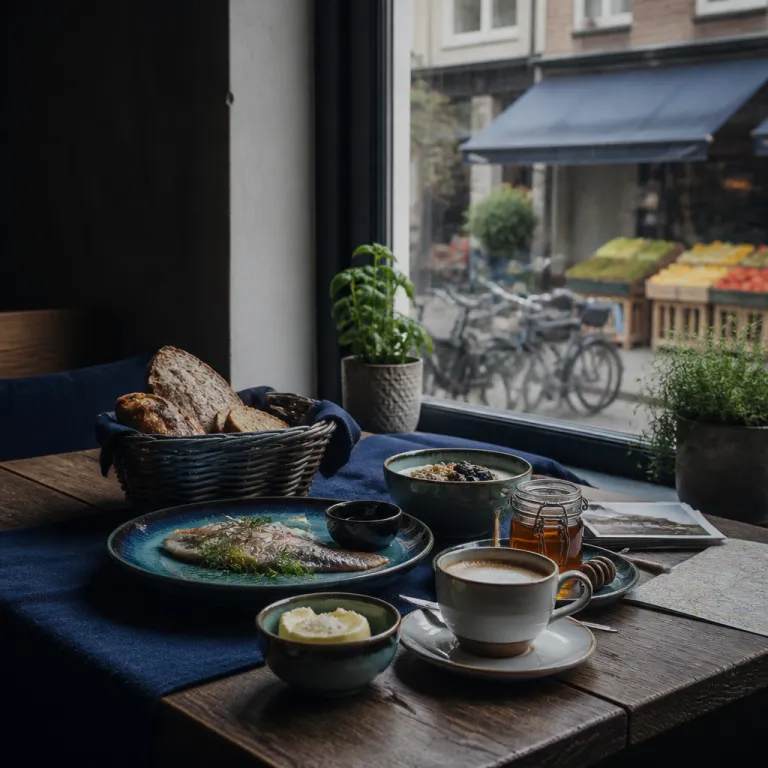
The honest hour of a luxury hotel breakfast
The first coffee of the morning is where a luxury hotel stops performing and starts telling the truth. When you sit down to a hotel breakfast in a dense city neighbourhood, the food on your plate quietly explains how seriously the property takes its postcode and its guests. A thoughtful, locally rooted hotel breakfast during a city break becomes the most reliable guide to the streets outside, long before the concierge has circled anything on a map.
Look closely at the breakfast buffet and you will see the entire guest philosophy laid out in stainless steel. A line of identical pastries, anonymous scrambled eggs and lukewarm coffee signals a hotel that buys from central suppliers and thinks in averages rather than individuals. By contrast, a smaller breakfast buffet with fresh fruit from the nearby market, homemade jams from a local producer and cold cuts from a named deli shows a team that has walked the neighbourhood and shaken hands with its artisans.
Families planning a short city break often judge the best hotel less by thread count and more by the first meal of the day. Parents need a breakfast that feels like a calm, efficient course in local culture, while children simply want a plate that keeps them going until the afternoon. When you book, the promise of breakfast included is not just a line on the confirmation email but a quiet contract about how your day will start and how the hotel understands the rhythm of the city.
The continental to local spectrum: what your plate is really saying
Every hotel breakfast sits somewhere between a generic continental spread and a deeply local table that could only exist in that city. At one end, you will find breakfast buffets built around industrial pastries, boiled eggs in silver stands and coffee from pods that could have travelled farther than you did. At the other, a curated breakfast buffet offers fresh juices pressed to order, fresh fruit from regional farms and pastries still warm from the corner bakery that also supplies the neighbours.
That spectrum matters because it reveals whether management sees guests as passing heads in beds or as temporary residents of the neighbourhood. When a German hotel in Berlin replaces anonymous cold cuts with charcuterie from a Kreuzberg butcher, it signals respect for both local producers and curious travellers. In Mexico City, a property that serves a restaurant breakfast of chilaquiles, pan dulce and eggs cooked to order rather than only cold cereal is telling you that your morning should feel like a wake-up call in Roma Norte, not in an airport lounge.
Industry surveys over the past few years broadly support what frequent travellers have felt for a long time: guests tend to rate hotels higher when breakfast highlights local items rather than only standard continental options. Research summaries from organisations such as the Global Hotel Alliance, the Sustainable Hospitality Alliance and consultancy HVS consistently note that properties with distinctive, locally focused breakfast programmes often see stronger satisfaction scores, modest food cost efficiencies through targeted local sourcing and higher overall food and beverage revenue driven by repeat business and word of mouth.
The bakery test and the buffet paradox
There is a simple way to assess a hotel’s relationship with its surroundings before you even taste the food. Walk past the breakfast room and look at the pastries on the buffet; if they all look identical, perfectly shaped and strangely scentless, they probably arrived frozen on a truck rather than from the bakery whose queue you noticed around the corner. When a property chooses to pay a little more for croissants, pan dulce or brioche from a local oven, it is investing in flavour, story and community rather than in convenience.
The buffet paradox is that the most expensive breakfast buffets are often the least authentic. Long counters of scrambled eggs, boiled eggs, cold cuts and pastries can feel impressive, yet the food may have travelled hundreds of kilometres and sat under heat lamps for too long. A smaller station with a few hot dishes cooked à la minute, fresh juices, homemade jams and a short list of regional favourites usually delivers a better meal and a more honest sense of place for your city break.
Families feel this difference quickly because children are unforgiving critics of a lukewarm meal. Parents who have stayed in the same German hotel chain years ago often remember whether the breakfast included a decent spread with fresh fruit and eggs cooked properly or just a cold selection that no one finished. If a property cuts corners at breakfast, many guests reasonably assume that shortcuts appear elsewhere too. If you care about how a property feeds you from lobby coffee to the last call at the bar, its morning table will often mirror the ambition of its overall food and beverage programme, as explored in depth in this guide to how a strong hotel bar defines a city break stay at a well run bar programme.
Family city breaks: how children quietly rate the breakfast
Parents booking a short urban escape rarely say they are chasing the perfect hotel breakfasts, yet their children will remember them long after the museum queues fade. A generous hotel breakfast that balances indulgent pastries with fresh fruit, boiled eggs, scrambled eggs and good coffee can turn a rushed morning into a calm ritual before a packed day. When the breakfast buffet layout makes it easy for small hands to reach plates and see the food, you feel that the hotel has actually thought about families rather than just tolerated them.
For a Premium Family traveller, the first question is not only whether breakfast included appears on the rate but what that actually means. Does the restaurant breakfast offer smaller portions, child friendly plates and staff who will quietly bring extra napkins without fuss, or is it a cold, echoing room where you feel you should hurry through the meal? A property that treats the morning service as a key dining moment will often have a kids’ corner with fresh juices, fresh fruit and maybe even a playful “breakfast of champions” option that still respects nutrition, plus flexible timings or grab and go choices for days when you need to be out early.
Location matters too, because the best hotel for a family city break is usually the one where the neighbourhood starts at the doorstep. In Mexico City, for example, a hotel in Condesa that partners with local farmers for its food and offers homemade jams from a nearby producer will send you out feeling connected to the area before you even reach the park. Years from now, your children may not recall the room number, but they will remember the warm tortillas, the smell of coffee and the feeling that this hotel breakfast belonged to that exact street.
Where breakfast defines the stay: five city tables worth waking up for
Some properties treat the first meal of the day as their quiet manifesto. In Berlin, a design forward German hotel near Prenzlauer Berg sources cold cuts, cheeses and fresh bread from within a few kilometres, turning its breakfast buffets into a compact tour of the city’s artisans. The hotel breakfast there feels less like a generic buffet and more like a relaxed restaurant breakfast where locals would happily pay to linger.
Across the world in Mexico City, a converted mansion in Roma serves a morning meal that anchors your entire city break. The buffet is modest in size but rich in character, with eggs cooked to order, pan dulce from a bakery two blocks away, fresh juices pressed from market fruit and homemade jams flavoured with local chilies and citrus. You will not find a mountain of cold cuts or pastries under plastic domes; instead, you get a short, confident menu that respects both the city and your time.
In smaller destinations, the same principles apply, even if the scale changes. At Peppers Silo Hotel in Launceston, for example, management has publicly committed to sourcing the vast majority of its breakfast ingredients and beverages from nearby producers, proving that a decent breakfast can also be a powerful community engine. Regional tourism reports from Tourism Tasmania have highlighted that this kind of approach can significantly cut transport-related food miles while strengthening ties with local growers. When you read a property’s description before you book, look for specific mentions of local farmers, artisan producers and seasonal food rather than vague promises of an international buffet, and consider pairing that stay with a neighbourhood focused itinerary such as the personalised concierge routes highlighted in this guide to refined city escapes in Genoa.
How to read breakfast descriptions before you book
The smartest city break travellers now read the breakfast section of a hotel listing as carefully as the room descriptions. When you see only generic phrases like “international buffet” or “continental selection”, you can safely assume a focus on volume over character and a meal that could be served in any city. By contrast, a listing that names local farms, markets or bakeries and explains how the hotel works with nearby suppliers is signalling a deeper relationship with its neighbourhood.
Pay attention to the verbs and the level of detail in those descriptions. A property that writes about “partnering with local farmers for fresh fruit, eggs and dairy” or “serving homemade jams from a family producer” is telling you that the food team has done the legwork, not just the copywriting. When a hotel mentions that breakfast included features cooked to order eggs, a compact breakfast buffet and a separate restaurant breakfast menu, you can expect a more thoughtful flow and less of the cold, crowded chaos that often defines large breakfast buffets.
Families should also look for signs that the hotel understands different morning rhythms. References to early coffee for jet lagged arrivals, grab and go options for busy days and quieter corners for longer meals suggest a property that sees breakfast as a flexible dining experience rather than a single rushed sitting. A simple checklist helps: look for named local suppliers, at least one regional speciality on the menu, clear information on children’s pricing, a note about cooked to order dishes, and some indication of family friendly seating or kids’ options. If you care about how a hotel will feed you from the first coffee to the last course of the day, the language around its morning table is the clearest preview you will ever get.
FAQ
How can I tell if a hotel sources its breakfast ingredients locally?
Look for specific mentions of nearby farms, markets or artisan producers in the hotel breakfast description rather than vague promises of an international buffet. Properties that highlight fresh fruit from regional growers, homemade jams from named suppliers or cold cuts from a local deli are usually serious about local sourcing. You can also email the hotel directly and ask which parts of the breakfast buffet change with the seasons.
Why does a locally focused breakfast matter for a short city break?
A locally focused breakfast turns the first meal of the day into a quick, efficient introduction to the neighbourhood. You taste ingredients, recipes and coffee styles that residents actually enjoy, which anchors your sense of place before you start sightseeing. This kind of grounded, neighbourhood-driven hotel breakfast often leads to higher guest satisfaction and a stronger feeling of connection to the city.
What should families look for in a hotel breakfast programme?
Families should prioritise clarity about what breakfast included really covers, from hot dishes to fresh juices and child friendly options. A good family focused hotel breakfast offers simple eggs, fresh fruit, pastries and cereals at child height, plus staff who are relaxed about spills and second helpings. Quiet corners, flexible timings and the option of a shorter restaurant breakfast can make mornings smoother with children.
Are large breakfast buffets always better value than à la carte options?
Large breakfast buffets can look generous, but they often prioritise quantity over quality and local character. A smaller buffet or à la carte restaurant breakfast that uses local ingredients, cooked to order eggs and seasonal food may offer better value in both flavour and experience. When comparing options, consider how much you will realistically eat and whether the menu reflects the city you came to explore.
How early should I book a hotel if breakfast is important to me?
If breakfast is a priority, it is wise to book as soon as you find a property whose morning offering aligns with your expectations. Popular city break hotels with strong local breakfast programmes often sell out quickly on peak weekends. Early booking also gives you time to contact the hotel about dietary needs or to request a quieter table in the breakfast room.