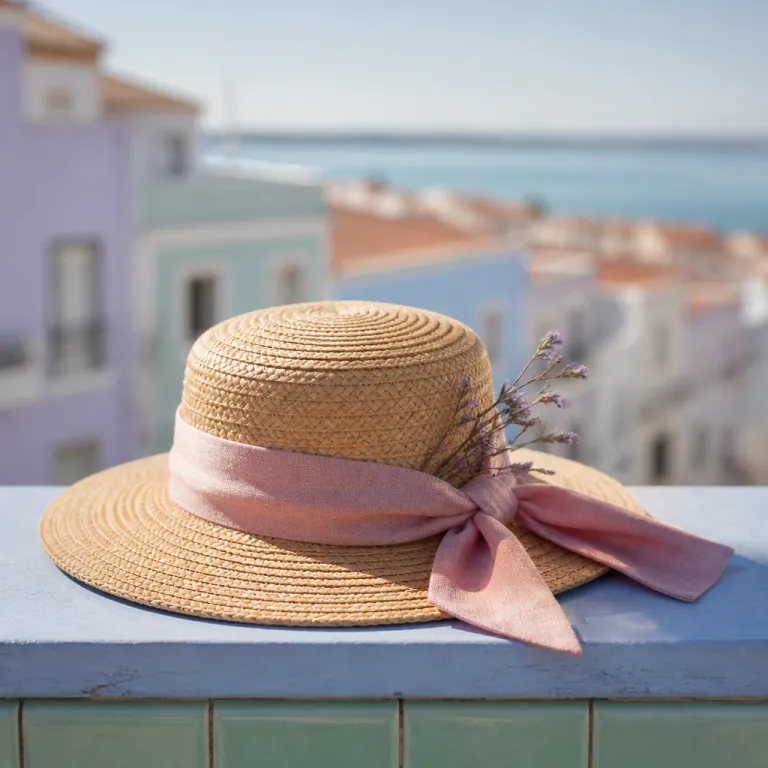
Why Portugal coastal cities are perfect for refined short stays
Portugal coastal cities combine historic charm with contemporary comfort for demanding travellers. Along the roughly 943 km coastline (according to Portugal’s national mapping agency, Direção-Geral do Território), the country offers a rare mix of elegant city life, golden beach towns, and quiet coastal villages that work beautifully for a two or three night escape. For guests used to premium urban stays in places like Paris or Vienna, the balance between culture, gastronomy, and the Atlantic Ocean feels both familiar and refreshingly different.
Lisbon is the capital city of Portugal and remains the natural starting point for many luxury city break itineraries. The city rises above the Tagus river with viewpoints that frame the water, the red rooftops, and the distant coast in one sweeping panorama that feels made for sunset cocktails. From here you can reach sophisticated beach towns such as Cascais in about 40 minutes by CP suburban train from Cais do Sodré station, or the long sands of Costa da Caparica in roughly 25–35 minutes by taxi or rideshare, which makes it easy to combine a design led city hotel with a day of relaxed praia time.
Further north, Porto sits on the Douro river estuary and brings a different mood to Portugal’s Atlantic-facing cities. The city is more intimate than Lisbon, with granite façades, wine lodges, and a dramatic bridge skyline that glows at night while the ocean rolls in just beyond Foz do Douro. Visitors who enjoy pairing urban exploration with coastal walks can stay in Porto’s historic centre, then head to nearby seaside areas such as Vila Nova de Gaia’s riverfront and beaches or the quieter Silver Coast stretches around Espinho for slow afternoons by the water.
Design led stays in Lisbon, Cascais, and the Costa da Caparica shoreline
Lisbon rewards travellers who value architecture, gastronomy, and easy access to the sea. In this city you can wake to river views, walk through tiled streets, then be on a sandy beach within forty minutes, which is rare among European capitals and makes it one of the best urban bases on Portugal’s Atlantic coast. Many premium properties sit close to the river, such as design focused hotels in the Cais do Sodré and Santos districts, giving you quick tram access to the historic quarters and to train lines that run along the coast towards Cascais.
Cascais itself has evolved from a traditional fishing village into a polished coastal town with a yacht filled marina and manicured promenades. You still see colourful boats and hear seagulls over the water, yet the dining scene now includes refined seafood restaurants and wine bars that appeal to guests used to elegant Paris hotels for families or couples. Local favourites such as Mar do Inferno for grilled fish or the terraces around the Cascais Marina illustrate how the town combines Atlantic views with attentive service. The nearby Sintra-Cascais Natural Park adds another layer, with dramatic cliffs, forested hills, and small praias like Praia da Ursa that feel far removed from the city despite being less than an hour away by car.
On the opposite side of the river from Lisbon, Costa da Caparica stretches for kilometres with wide beaches and relaxed surf schools. This area is ideal if you want a city break in Lisbon but also crave a day learning to surf gentle Atlantic waves or walking along dunes at sunset. Well known beach clubs and restaurants such as Praia Irmão or Borda d’Água offer sunbeds, seafood, and sunset cocktails, while surf schools along Praia da Mata and Praia do Tarquínio provide lessons for beginners. Luxury travellers often choose to stay in the city and book private transfers to these beaches, which allows them to enjoy both the best beach restaurants and the cultural depth of Lisbon without compromising on comfort or time.
Porto, Vila Nova de Gaia, and the character of the north west coast
Porto offers a more introspective take on Portugal’s coastal urban life, with steep streets, azulejo covered churches, and the constant presence of the Douro river. The city’s compact size suits a short stay, allowing you to explore port wine lodges in Vila Nova de Gaia, contemporary galleries like the Serralves Museum, and riverside restaurants within a single weekend while still finding time for a walk along the nearby west coast. For travellers who appreciate characterful architecture and a slightly cooler climate than the Algarve, Porto can be the best choice for a refined escape.
Across the river, Vila Nova de Gaia lines the south bank with port wine cellars and terraces that look back towards Porto’s skyline. Staying in this town gives you a quieter base while keeping the city’s cultural attractions within a short taxi or metro ride, which many couples and small groups value. From here, it is easy to extend your trip with a rail journey on Comboios de Portugal services to other coastal towns the country is known for, such as Aveiro or Viana do Castelo, creating a multi stop itinerary that blends historic centres with Atlantic beaches.
North of Porto, Viana do Castelo and Figueira da Foz illustrate how diverse the west coast of Portugal can be. These towns mix maritime history, long beaches, and growing surf cultures, attracting travellers who want fewer crowds but still expect good restaurants and comfortable accommodation. In Viana do Castelo, the hilltop Sanctuary of Santa Luzia overlooks the Lima river mouth and Praia do Cabedelo, while Figueira da Foz offers a famously wide urban beach and a traditional casino. When planning a premium stay, consider splitting your time between a design focused hotel in Porto and a quieter property in a nearby beach town, which lets you enjoy both urban energy and the slower rhythm of the Atlantic shoreline.
Algarve elegance from Lagos to Tavira and the Ria Formosa lagoon
The Algarve region forms the sun drenched south coast Portugal is famous for, and it remains one of the best areas for guests who want reliable warmth and sea views. Here, coastal cities and resort towns range from lively hubs to quiet fishing communities, giving you freedom to choose your preferred atmosphere. Faro, the regional capital, works well as a gateway city with an international airport and a compact old town, but many luxury travellers head straight to smaller towns for a more intimate experience.
Lagos on the western Algarve coast is known for its sculpted cliffs, sheltered praias, and a historic centre that still feels like a working town. You can spend mornings on boat trips beneath ochre rock arches at Ponta da Piedade, then return to a refined dinner in town, pairing fresh seafood with Algarve wines while the air cools after a long day by the water. Nearby, the dramatic headlands of the west coast around Sagres and Praia do Amado attract surf enthusiasts, who often combine a few days in Lagos with sessions on wilder beaches that face the full force of the Atlantic Ocean.
On the eastern side, Tavira and the Ria Formosa Natural Park offer a softer landscape of lagoons, sandbank islands, and traditional fishing village communities. Many travellers rate these as some of the best beaches in Portugal, not for nightlife but for tranquillity, birdlife, and long walks on almost empty sand even in the high season. Boat shuttles and small ferries carry guests from Tavira to island style praias such as Praia de Tavira and Praia do Barril, creating a gentle rhythm that suits couples and families seeking a year round coastal escape with a strong sense of place.
Island escapes and lesser known coastal towns for discerning travellers
Beyond the mainland, Porto Santo in the Madeira archipelago offers a different expression of Portugal’s seaside destinations, with a nine kilometre long golden beach and a relaxed island pace. The island is smaller and quieter than Madeira itself, which appeals to travellers who want a simple setting with beautiful beaches and clear water for swimming. Many guests pair a short stay here with time in Lisbon or Porto, using domestic flights to connect city culture and island calm in a single itinerary.
On the mainland, smaller coastal towns and villages reward travellers who are willing to look beyond the obvious names. Nazaré has become globally known for giant waves and surf competitions at Praia do Norte, yet outside the peak swell season it feels like a traditional beach town with families strolling the promenade and fishing nets drying in the sun. Peniche, another fishing town turned surf hub, offers access to excellent breaks such as Supertubos and boat trips to the Berlengas islands, while still retaining the unpolished charm that many visitors now seek alongside their premium accommodation.
Other areas, such as the Silver Coast north of Lisbon or the dramatic cliffs around Azenhas do Mar, remain relatively quiet compared with the Algarve. These stretches of shoreline are ideal if you value space, sea views, and the ability to return to a calm hotel after a day of exploration. When planning, consider using a curated guide to luxury city break hotels under 300 dollars a night to identify properties that match your expectations for service and design while still leaving budget for private tours, wine tastings, and fine dining.
How to choose the best coastal city break hotel in Portugal
Selecting the best property in Portugal’s seaside cities and towns starts with clarifying your priorities. If you want culture first and the beach second, focus on central districts in Lisbon or Porto with easy tram, metro, or train access to the coast, rather than staying directly in a beach town. Travellers who prefer to wake to the sound of waves should reverse that logic and choose coastal bases such as Cascais, Lagos, or Tavira, then plan day trips into the nearest city.
Water based activities also influence the right choice of town or village. For gentle swimming and family friendly praias, the sheltered islands and sandbanks of the Ria Formosa Natural Park or the long sands near Costa da Caparica often work best, while serious surf travellers may prefer the exposed west coast near Peniche, Nazaré, or Ericeira. Remember that many of these destinations operate year round, so shoulder seasons such as late spring and early autumn can offer lower rates and quieter beaches without sacrificing comfort or service.
When comparing options, pay attention to how each hotel connects you with its surrounding coast and river landscapes. Properties that offer guided walks, private boat trips, or curated restaurant recommendations in nearby fishing communities usually deliver a richer sense of place than those that focus only on rooms and pools. As one practical reminder from the reference material states, “Explore local cuisine. Visit historical sites. Enjoy coastal activities.”, which remains the simplest checklist for a rewarding stay in any of Portugal’s coastal towns.
Key figures about Portugal coastal cities
- Portugal has approximately 943 km of coastline, which means travellers can access a wide variety of coastal towns and beaches within relatively short driving distances along the Atlantic Ocean (data referenced from the Direção-Geral do Território and summarised by property platforms such as Idealista).
- Major coastal cities such as Lisbon, Porto, and Faro anchor regional travel networks, allowing visitors to combine at least two different coastal regions in a single week long itinerary without domestic flights, using rail and motorway connections instead.
- Areas like Nazaré and Peniche have seen strong growth in surf tourism, contributing to the broader increase in water sports infrastructure along the west coast of Portugal over recent years, including surf schools, rental shops, and safety services.
- The Ria Formosa Natural Park in the Algarve protects a large lagoon system and several barrier islands, helping to preserve some of the best beaches for birdwatching and low impact coastal activities in southern Portugal, while also supporting traditional shellfish harvesting.
FAQ about planning a luxury stay in Portugal coastal cities
What is the capital city of Portugal and is it on the coast ?
The capital city of Portugal is Lisbon, and while its historic centre sits along the Tagus river rather than directly on the ocean, the city is closely connected to the Atlantic coast through nearby areas such as Cascais and Costa da Caparica, which are reachable in under an hour by public transport or car.
Which Portuguese city is known as the “Portuguese Venice” ?
Aveiro is often called the “Portuguese Venice” because of its canals and colourful moliceiro boats, and it works well as a smaller coastal city break destination for travellers who enjoy relaxed waterfront walks and easy access to nearby beaches such as Costa Nova.
Where are giant waves and surfing competitions held in Portugal ?
Nazaré on the west coast of Portugal is the main location for giant waves and international surfing competitions, especially at Praia do Norte, and outside the peak swell season it also functions as a traditional beach town with a strong fishing heritage.
Is the Algarve suitable for a short luxury city break or only for longer holidays ?
The Algarve is very suitable for a short luxury stay because towns such as Lagos, Tavira, and Faro are close to the airport, offer high quality accommodation, and provide quick access to both beaches and cultural sites, making three or four night trips practical.
Can I enjoy Portugal coastal cities comfortably throughout the year ?
Many Portugal coastal cities and towns operate year round, with mild winters in Lisbon, Porto, and much of the Algarve, so travellers can enjoy cultural visits, coastal walks, and good restaurants even outside the main summer beach season.