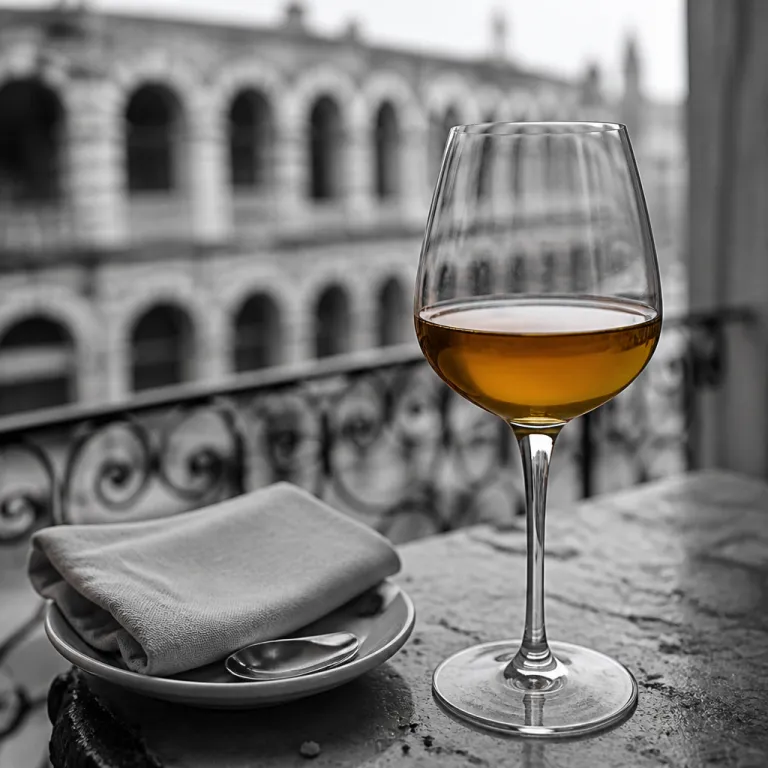
What is Verona, Italy known for in the eyes of luxury travellers
Verona is known as a UNESCO listed city where Roman heritage, opera culture, and refined Italian living blend seamlessly. This reputation shapes how discerning guests choose their Verona city hotel, their favourite piazza, and even the time of day they explore. When you ask what Verona Italy is famous for, you are really asking how history, romance, and hospitality intersect in one compact destination.
The city of Verona in northern Italy is renowned for its remarkably preserved Roman amphitheatre, the Arena di Verona, which still hosts world class opera performances. Official tourism information confirms that “Verona is famous for its Roman amphitheater, Juliet's House, and rich history.” This makes Verona Italy a rare place where a Roman monument built in the first century frames your evening, then a short walk brings you back to a quiet luxury suite.
Verona city also carries the emotional weight of the Romeo Juliet legend, which continues to attract travellers who want a romantic setting with serious cultural depth. The historic centre, encircled by a gentle curve of the river Adige, offers some of the best things for a short stay because everything lies within walking distance. For guests booking premium hotels, the average transfer time from Verona train station to the main piazza is usually under fifteen minutes, which keeps a weekend escape effortless.
Roman heritage, Arena di Verona and the cultural heart of the city
When travellers consider what Verona Italy is renowned for, the Arena di Verona usually comes first. This Roman amphitheatre, one of the best preserved in Italy, was built in the first century and still anchors the cultural life of the city. Many luxury hotels curate Arena facing suites or terraces, allowing guests to enjoy pre performance aperitivo while the piazza fills with opera lovers and the stage lights begin to glow.
The Arena stands on Piazza Bra, a broad square that forms a natural gateway between modern streets and the Roman grid of Verona city. Around Piazza Bra, refined Italian restaurants and wine bars serve local Amarone and Valpolicella wine, giving visitors a great place to spend time before or after a show. For travellers who enjoy curated cultural breaks, this area feels similar in spirit to the refined Christmas market atmosphere described in this guide to a European festive city break.
Beyond the Arena, Verona Italy reveals more Roman layers at every turn, from the Ponte Pietra bridge to the archaeological remains near the river. These Roman structures shape many of the best things to do in Verona, especially for guests who prefer guided walks over crowded group tours. A well designed travel guide will usually combine Arena Verona, Ponte Pietra, and the Roman theatre below Colle San Pietro into a single elegant day route.
Piazza delle Erbe, Piazza dei Signori and refined urban life
Another answer to what Verona Italy is known for lies in its sequence of intimate squares. Piazza delle Erbe, once the Roman forum, is now a lively market piazza framed by frescoed façades and elegant cafés. Many travellers consider Piazza delle Erbe and the nearby Piazza dei Signori the best things about staying in the historic centre, because both squares feel atmospheric from early morning until late evening.
Piazza delle Erbe offers a mix of local stalls, refined restaurants, and rooftop terraces where you can enjoy Italian wine with views over the city. Just a few steps away, Piazza dei Signori feels quieter and more formal, with statues and palazzi that recall Verona’s medieval power. Luxury and premium hotels often recommend these two piazza areas as the ideal starting point for a self guided travel guide, especially for guests who enjoy slow, cultured day trips on foot.
For travellers who appreciate art focused properties, Verona’s historic squares echo the spirit of destinations where the gallery is the lobby, as explored in this article on art collecting hotels and city culture. Around Piazza delle Erbe and Piazza dei Signori, several high end hotels such as Palazzo Victoria and Gabbia d’Oro integrate contemporary art into restored palazzi, creating a dialogue between Roman stones and modern design. This blend of heritage and creativity is one of the things Verona does particularly well for sophisticated city break guests.
Romeo and Juliet, riverside views and romantic neighbourhoods
Many visitors first discover what Verona Italy is associated with through the story of Romeo Juliet. The city has embraced this association with Juliet’s House, a medieval building with a small courtyard and the famous balcony that draws couples from around the world. While some elements feel theatrical, the surrounding streets still offer authentic local life, with small Italian restaurants and wine bars tucked into side alleys.
The river Adige shapes the most romantic walks in Verona city, especially at sunset when the light softens the stone façades and church bells echo across the water. From the historic centre, you can cross Ponte Pietra, the Roman bridge rebuilt after wartime damage, and climb towards Castel San Pietro for sweeping views over the city. This hillside area around San Pietro is one of the best things for couples who want quiet time away from the busier piazza, yet still remain close to their luxury hotel.
For travellers planning multi stop itineraries across northern Italy, Verona pairs beautifully with refined coastal escapes such as this guide to things to do in Positano. Many guests arrive in Verona Italy by train from Milan or Venice, spend a day or two exploring the Romeo and Juliet landmarks, then continue towards Lake Garda or the Amalfi Coast. This flexibility, combined with the city’s compact size, makes Verona one of the great romantic bases for Italian day trips.
San Zeno, Basilica San Zeno and sacred architecture in Verona
Beyond the central piazza, another layer of what Verona Italy is known for emerges in its religious architecture. The Basilica San Zeno Maggiore, often simply called San Zeno, is one of the most important Romanesque churches in Italy and a highlight for culturally curious travellers. Its harmonious façade, bronze doors, and peaceful cloister offer a calm contrast to the busier Arena Verona area.
Many luxury hotels arrange private transfers or guided walks to San Zeno, since the basilica sits slightly outside the densest part of Verona city. Visiting Basilica San Zeno allows guests to appreciate how the city evolved from Roman municipium to medieval spiritual centre, while still enjoying a relaxed half day itinerary. For travellers who value depth over quantity, this church ranks among the best things to see, especially when combined with nearby local restaurants serving seasonal Italian dishes.
In planning a refined city break, it helps to understand that Verona Italy balances sacred and secular spaces with ease. You might spend the morning at Basilica San Zeno, the afternoon in Piazza delle Erbe, and the evening at an opera in the Arena, all without feeling rushed. This compact geography keeps average transfer times short, which is particularly appealing for guests staying only one or two nights in a premium property.
Food, wine and refined local experiences around Verona
Culinary culture forms a central part of what Verona Italy is known for among experienced travellers. The city sits close to the Valpolicella and Soave wine regions, which means local restaurants pour exceptional Italian wine by the glass as a matter of course. Many luxury hotels curate tasting menus that pair regional dishes with Amarone, Ripasso, and other labels from northern Italy.
Within walking distance of Piazza Bra, Piazza delle Erbe, and Piazza dei Signori, you will find a range of restaurants from traditional osterie to contemporary fine dining rooms. These venues often highlight seasonal things like white asparagus, Monte Veronese cheese, and slow cooked meats, giving visitors a great sense of place in a short time. For guests using a detailed travel guide, it is easy to structure a day around food, with a market visit in the morning, a light lunch by the river, and a longer dinner near the Arena Verona.
Many travellers also appreciate how Verona city integrates wine focused day trips into a short stay. From Verona train station, you can reach nearby vineyards or even other Italian cities within an average journey of one to two hours. This makes Verona Italy an excellent base for exploring the culinary landscape of northern Italy while still returning each evening to a refined urban hotel.
Practical tips for luxury city break planning in Verona
Understanding what Verona Italy is best known for helps you choose the right neighbourhood and hotel style. If your priority is opera and Roman history, staying near Piazza Bra and the Arena Verona keeps performance nights effortless and transfers short. Travellers more interested in local markets, wine bars, and intimate piazza life often prefer the area around Piazza delle Erbe and Piazza dei Signori.
Verona city is compact enough that most of the best things to see lie within a fifteen to twenty minute walk, including Juliet’s House, Ponte Pietra, and the climb towards Castel San Pietro. For longer day trips, the Verona train station connects efficiently to Venice, Milan, and Lake Garda, making multi city itineraries across northern Italy straightforward. Many premium booking platforms now highlight average walking times between landmarks, which helps guests align their hotel choice with their personal travel guide priorities.
When planning, remember that Verona Italy is a UNESCO World Heritage Site, recognised for the way its Roman, medieval, and Renaissance layers coexist. Official information confirms that “Main attractions include the Arena di Verona, Juliet's House, and Piazza delle Erbe.” This heritage focus, combined with a strong local commitment to conservation and cultural festivals such as the summer opera season from June to September, ensures that your time in the city feels both enriching and comfortably managed.
Key figures about Verona for refined city breaks
- Verona has a population of around 255 133 inhabitants as of 2022 (data referenced from ISTAT, 2022 municipal population tables), which keeps the city lively yet manageable for short luxury stays.
- The historic centre of Verona has been listed as a UNESCO World Heritage Site since its inscription in 2000 (UNESCO World Heritage Centre, “City of Verona”), recognising the exceptional preservation of Roman and medieval structures.
- The Arena di Verona can host roughly 13 500 to 15 000 spectators during opera seasons (Fondazione Arena di Verona capacity figures), making it one of the largest open air opera venues in Italy and a major draw for cultural tourism.
- Average walking time between Piazza Bra, Piazza delle Erbe, and Ponte Pietra is typically under 15 minutes, which is ideal for guests who prefer to explore on foot from their hotel.
- High speed train connections link Verona to Milan and Venice in around one to one and a half hours, enabling efficient day trips while maintaining a Verona based city break.
FAQ about Verona for luxury and premium city break travellers
What is Verona most famous for among international visitors ?
Verona is most famous for the Arena di Verona, Juliet’s House linked to the Romeo and Juliet story, and its remarkably preserved historic centre. These landmarks, combined with elegant piazza life and strong opera traditions, make the city a leading cultural destination in northern Italy. Many travellers choose Verona because it offers deep history without the overwhelming scale of larger Italian cities.
Is Verona really a UNESCO World Heritage Site ?
Yes, Verona is officially recognised as a UNESCO World Heritage Site for the way its Roman, medieval, and Renaissance architecture coexist in a coherent urban fabric. This status reflects long term conservation efforts by local authorities and cultural organisations. It also reassures travellers that the city’s key monuments, including the Arena and major piazza, are carefully protected.
What are the main attractions I should prioritise on a short stay ?
On a one or two day visit, focus on the Arena di Verona, Piazza Bra, Piazza delle Erbe, Juliet’s House, and a walk across Ponte Pietra towards Castel San Pietro. These sites give a balanced view of Roman heritage, literary romance, and panoramic city views. If time allows, add Basilica San Zeno for an in depth look at Verona’s religious architecture.
Is Verona a good base for day trips by train ?
Verona works very well as a base for day trips because its train station connects efficiently to Venice, Milan, Bologna, and Lake Garda towns. Journey times to these destinations usually range from about one hour to just over ninety minutes. This allows travellers to enjoy a refined hotel in Verona while exploring a wider slice of northern Italy.
How many days should I plan for a luxury city break in Verona ?
For a luxury focused city break, plan at least two full days in Verona, with a third day reserved either for deeper cultural visits or a nearby wine region. Two days allow you to experience the Arena, key piazza, and main churches at a relaxed pace. A longer stay is ideal if you want spa time, private guided tours, or multiple fine dining experiences.
References : UNESCO World Heritage Centre ; Comune di Verona tourism office ; Italian National Institute of Statistics (ISTAT) ; Fondazione Arena di Verona.