What to see in Cascais Portugal on a refined city break
When you plan what to see in Cascais Portugal, start with the historic centre. This compact town sits on the Atlantic edge of the Lisbon District, where elegant squares, tiled façades, and palm lined promenades frame every leisurely walk. For travellers choosing a luxury hotel, the central location makes it easy to balance culture, beaches, and fine dining in a single day.
The coastal town of Cascais feels intimate yet cosmopolitan, and it works beautifully as both a short city break and a longer trip. Many visitors pair Lisbon and Cascais in one itinerary, using the frequent train service from Cais do Sodré station to glide between the capital’s museums and the seaside cafés of this former royal retreat. When you are visiting Cascais, you can rely on walking tours, bicycle rentals, and public transportation to move smoothly between attractions without sacrificing precious time.
Local authorities estimate that around 1.2 million visitors arrive in Cascais each year, which underlines how established this town is on the Portugal luxury travel map. According to the Cascais Tourism Office (Relatório Anual de Turismo 2023), “Spring and summer offer pleasant weather and vibrant events.” That makes these seasons the best time for a refined stay, especially if you want to enjoy the beaches of Cascais by day and the marina’s restaurants by night.
For travellers focused on things Cascais can offer beyond the shoreline, the cultural programme is surprisingly rich. You can visit the Museu Condes de Castro Guimarães, explore the Santa Marta lighthouse complex, and stroll through Parque Marechal Carmona in a single afternoon. These places sit within a few hundred metres of each other, which is ideal when you want to minimise transfers and maximise slow, luxurious time on foot.
Because this is a premium destination, you will find a wide range of high end hotel options in Cascais Portugal, from historic palaces to contemporary seafront properties. Many guests use these hotels as a base for a curated day trip to Sintra or Cabo da Roca, returning in the evening to spa facilities and tasting menus. When you map out what to see in Cascais Portugal on Google Maps, you will notice how compact the town is, which makes it easy to plan several short day trips without feeling rushed.
Historic Cascais town, elegant museums, and refined urban walks
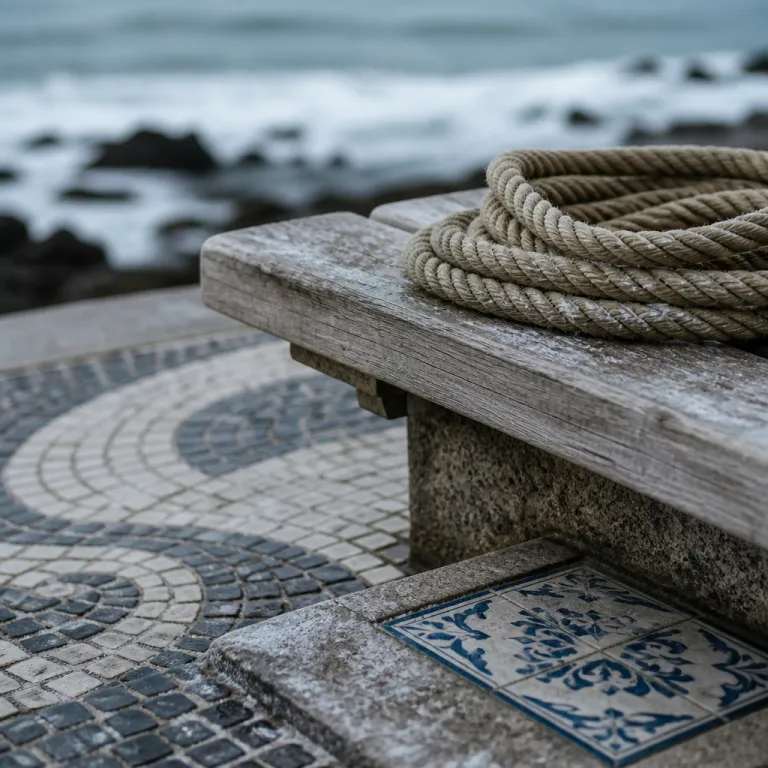
The old town of Cascais is the natural starting point when you want to understand the area’s character. Narrow streets radiate from the main square, where patterned cobblestones and sea views create one of the most beautiful urban scenes in Portugal. From a luxury traveller’s perspective, this compact layout means you can step out of your hotel and immediately find cafés, galleries, and artisan shops within a few minutes’ walk.
One of the best things to do in Cascais town is to visit the Museu Condes de Castro Guimarães, housed in a romantic lakeside mansion. Inside, you will find an eclectic collection of art, rare books, and Indo Portuguese furniture, while outside, the gardens connect directly to Parque Marechal Carmona. This combination of museum and park allows you to design a half day cultural experience that feels both intimate and indulgent, especially if you follow it with ice cream on the nearby waterfront.
Parque Marechal Carmona itself is a highlight for anyone planning what to see in Cascais Portugal beyond the beaches. Shaded paths, ponds, and resident peacocks make it a serene place to pause between sightseeing stops, and it is particularly appealing for families on a city break. Because the park sits between the Santa Marta lighthouse area and the Castro Guimarães museum, it anchors a very walkable cultural district in Cascais town.
For travellers who enjoy structured experiences, Local Tour Guides offer private walking tours that link these landmarks with lesser known streets and viewpoints. These guided walks often start in the historic centre of Cascais, then continue towards the marina, Santa Maria House, and the Santa Marta lighthouse, weaving in stories about royal summers and maritime trade. If you prefer to explore independently, you can use Google Maps offline, but still follow similar routes that highlight the best things in the town.
When you compare Cascais with other European city break destinations, it feels more relaxed yet equally sophisticated. If you appreciate refined urban stays, you might also enjoy the elegant places to stay in Warsaw presented in this guide to a refined city break in Warsaw. Pairing Warsaw, Lisbon, and Cascais in one multi city trip creates a compelling contrast between Central European palaces, Atlantic light, and a seaside town that still feels authentically Portuguese.
Coastal drama and natural highlights around Cascais
Many travellers arrive in Cascais for the beaches, but the surrounding coastline offers far more than sun loungers. When you plan what to see in Cascais Portugal, include at least one excursion to the wilder Atlantic stretches west of town. These areas combine rugged cliffs, rolling dunes, and powerful surf, creating a striking counterpoint to the sheltered bay beaches of Cascais town.
Praia do Guincho, often simply called Praia Guincho, is the most famous of these Atlantic beaches near Cascais. This wide, windswept praia sits about 9 kilometres from the town centre, and it is renowned for strong waves that attract surfers and windsurfers from across Portugal. Even if you are not planning to swim, a late afternoon visit to Praia Guincho offers some of the best views on a day trip from Cascais Lisbon, especially when the light turns golden over the Serra de Sintra hills.
Another essential stop when visiting Cascais is Boca do Inferno, a dramatic chasm carved into the coastal cliffs just west of the town. Waves crash into the rock formations, sending spray high into the air, and the viewpoint is easily accessible by a short walk or bicycle ride from central Cascais. Because Boca do Inferno lies on the same coastal road that leads towards Praia Guincho and Cabo da Roca, it fits naturally into a half day itinerary focused on the most beautiful natural places near Cascais Portugal.
Cabo da Roca itself, located a short drive north of Cascais, marks the westernmost point of mainland Europe. Many visitors combine a day trip to Sintra with a stop at Cabo da Roca, then return to their hotel in Cascais for a relaxed evening by the marina. This pattern works particularly well for luxury travellers, as it allows you to experience the wild Atlantic cliffs by day and refined dining in Cascais town at night.
If you are planning a broader coastal itinerary in Portugal, consider pairing Cascais with other refined seaside cities. This curated guide to elegant escapes in Portugal’s coastal cities can help you compare options such as Porto, Aveiro, or Lagos. In that context, Cascais stands out for its rare combination of easy access from Lisbon, varied beaches, and a compact town centre that suits short, high quality city breaks.
Beaches in Cascais for every style of luxury stay
When travellers ask what to see in Cascais Portugal, the conversation quickly turns to beaches. The town curves around a sheltered bay, where several small praias sit within walking distance of most central hotels. This layout makes it easy to tailor each day of your trip Cascais to a different mood, from quiet morning swims to lively sunset drinks by the water.
Praia da Ribeira and Praia da Rainha are two of the most central beaches in Cascais town, and they are ideal for short breaks between museum visits or shopping. Their location near the marina and the historic square means you can move effortlessly between cultural sights, cafés, and the sand, which is particularly convenient on a city break where time is limited. Families appreciate these beaches in Cascais for their calm waters, while couples often prefer the slightly more secluded coves further along the promenade.
For travellers who want a longer beach day, the line of praias stretching east towards Estoril offers more space and a classic resort atmosphere. You can follow the seaside promenade on foot or by bicycle, stopping at different beaches in Cascais and Estoril until you find the place that suits your style. Many luxury hotels along this stretch provide direct access to the promenade, which allows you to move between pool, spa, and beach without needing a car.
On windier days, some visitors choose to stay within the bay beaches of Cascais rather than heading to Praia Guincho, where conditions can be intense. This flexibility is one of the best things about a stay in Cascais Portugal, because you can adjust your plans according to the weather without sacrificing quality. The Cascais Tourism Office recommends checking local forecasts before any beach visits, a simple step that helps you make the most of each day trip.
For travellers who enjoy comparing different urban seaside experiences, it can be useful to look at other refined city break destinations. This detailed review of an elegant city break in Boston shows how a harbour city in the United States balances waterfront walks, museums, and luxury hotels. By contrast, Cascais offers a more intimate scale, warmer water in summer, and the added advantage of easy access to both Lisbon and Sintra.
Day trips from Cascais to Lisbon, Sintra, and beyond
One of the strongest arguments for choosing Cascais as a base is the range of day trips available. The train connection between Lisbon and Cascais takes around 40 minutes, which makes it realistic to spend a full day in the capital while still sleeping by the sea. Many luxury travellers alternate days in Lisbon’s historic neighbourhoods with quieter days enjoying the beaches and museums of Cascais town.
Sintra is another essential destination when you plan what to see in Cascais Portugal, especially if you appreciate palaces and lush gardens. From Cascais, you can reach Sintra by car or organised tour in under an hour, then spend the day exploring sites such as the Palácio da Pena, Quinta da Regaleira, and the historic centre. Some visitors choose to include Cabo da Roca on the return journey, turning the outing into one of the most memorable day trips of their entire Portugal itinerary.
Within Cascais itself, you can design shorter day trips that focus on specific themes, such as architecture, maritime history, or gastronomy. A cultural day might include the Santa Marta lighthouse museum, the Casa de Santa Maria, and the Condes de Castro Guimarães museum, followed by a walk through Parque Marechal Carmona and dinner at the marina. A more relaxed day could revolve around beach time, a long lunch, and an evening stroll along the promenade with ice cream in hand.
Because the region promotes eco friendly tourism, you will find good options for walking tours, bicycle rentals, and public transportation between Cascais, Lisbon, and Sintra. Mobile apps and digital guidebooks make it easy to find routes on Google Maps, while some operators now experiment with augmented reality tools for historical site tours. These innovations help visitors understand the context of each place they visit, without overwhelming the relaxed rhythm that defines a stay in Cascais Portugal.
When planning your own trip Cascais, consider how many nights you want to allocate to the town versus Lisbon and Sintra. For a first visit, many travellers choose three or four nights in Cascais, with one full day trip to Sintra and another to Lisbon, then keep one flexible day for beaches or spontaneous exploring. This balance allows you to experience the best things in the region while still enjoying the slow, luxurious pace that makes Cascais such an appealing city break destination.
Where to stay and how to plan a luxury city break in Cascais
Choosing the right hotel is central to any luxury stay in Cascais, because location shapes how easily you can reach the town’s main attractions. Properties around the historic centre and the marina place you within walking distance of beaches, museums, and many of the best restaurants. Hotels along the coastal road towards Estoril often offer larger pools and sea views, which can be appealing if you plan to spend more time relaxing on site.
When you evaluate where to stay for what to see in Cascais Portugal, consider how you want to structure each day. If you expect to take several day trips to Lisbon or Sintra, a location near the train station can save valuable time, especially on a short city break. If your priority is beach time and evening walks, a seafront property near the bay beaches of Cascais town may be the most convenient choice.
Luxury travellers often look for hotels that can arrange private transfers, curated excursions, and restaurant reservations. Many high end properties in Cascais Portugal maintain close relationships with Local Tour Guides and cultural institutions such as the Condes de Castro Guimarães museum or the Santa Marta lighthouse complex. This network allows concierges to organise tailored experiences, from private tastings to after hours museum visits, which can transform a standard trip into something more memorable.
Because Cascais welcomes visitors year round, availability and pricing vary significantly between seasons. Spring and summer bring warmer weather and more events, which is ideal if you want to combine beach days with outdoor festivals and lively evenings in town. During quieter months, you may find attractive rates at top hotels, making it possible to enjoy premium facilities while spending more of your budget on fine dining and private tours.
To refine your plans, start by listing the things Cascais offers that matter most to you, such as specific beaches, museums, or day trips. Then, use Google Maps to visualise distances between your preferred hotel locations and key sites like Boca do Inferno, Praia Guincho, Parque Marechal Carmona, and the marina. This practical step ensures that your chosen place to stay aligns with your priorities, so every day of your trip Cascais feels effortless, elegant, and perfectly paced.
Key figures and practical statistics for visiting Cascais
- Cascais receives around 1.2 million visitors per year, according to the Cascais Tourism Office, which places it among the most visited coastal towns in Portugal.
- The average summer temperature in Cascais is approximately 25 °C, based on data from the Portuguese Meteorological Institute, offering comfortable conditions for both beach days and urban sightseeing.
- The train journey between Lisbon and Cascais typically takes about 40 minutes, making it practical to plan multiple day trips between the capital and the coastal town during a single stay.
- Praia do Guincho lies roughly 9 kilometres from central Cascais, a distance that translates to around 15–20 minutes by car, which is convenient for a half day excursion focused on Atlantic scenery.
- Many of Cascais’s key cultural sites, including the Condes de Castro Guimarães museum, Casa de Santa Maria, Santa Marta lighthouse, and Parque Marechal Carmona, sit within a radius of about 500 metres, allowing visitors to explore them comfortably on foot.
FAQ about what to see in Cascais Portugal
What is the best time to visit Cascais for a city break ?
Spring and summer are generally considered the best time to visit Cascais for a city break, thanks to mild temperatures and longer daylight hours. The Cascais Tourism Office states that “Spring and summer offer pleasant weather and vibrant events.” During these seasons, you can comfortably combine beach time, cultural visits, and evening walks along the marina.
Is Cascais suitable for family trips with children ?
Cascais is very suitable for family trips, especially if you value safe beaches and walkable streets. The sheltered bay beaches near the town centre offer calm waters, while Parque Marechal Carmona provides playgrounds, shaded paths, and space for children to explore. Many hotels in Cascais Portugal cater to families with connecting rooms, pools, and easy access to both the beach and the historic centre.
Are there guided tours available in Cascais and nearby areas ?
Yes, there are several guided tours available in Cascais and the surrounding region. Local Tour Guides and other operators offer walking tours of the historic centre, cultural circuits that include the Condes de Castro Guimarães museum and Santa Marta lighthouse, and day trips to Sintra or Cabo da Roca. These tours can be arranged through your hotel concierge or directly with local agencies, and they are particularly useful if you want expert context without managing logistics yourself.
How many days should I plan for Cascais in my Portugal itinerary ?
For most travellers, allocating three to four days to Cascais works well within a broader Portugal itinerary. This duration allows time to enjoy the town’s beaches and museums, plus at least one day trip to Sintra and another to Lisbon. If you prefer a slower pace with more beach time and relaxed evenings, extending your stay to five or six days can be very rewarding.
Is it easy to get around Cascais without a car ?
Getting around Cascais without a car is straightforward, especially if you stay near the historic centre or the seafront. The town is compact and walkable, and you can use bicycle rentals, local buses, and the train line connecting Cascais and Lisbon for longer distances. Many visitors rely on walking tours and public transportation for the entire trip, which aligns well with the region’s focus on eco friendly tourism.