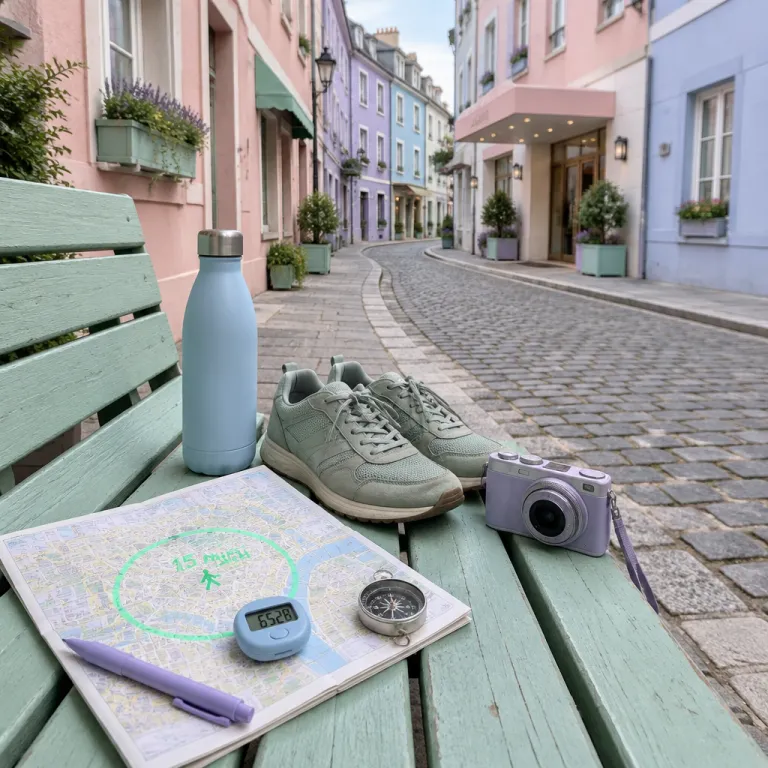
The fifteen minute test for a walkable neighbourhood city break hotel location
A genuinely walkable neighbourhood city break hotel location starts with one simple rule. Within a fifteen minute walking radius, your family should reach a good bakery, a real park, a pharmacy, a café with proper coffee and at least one low drama dinner option that does not require a reservation. When a hotel passes this fifteen minute test, the surrounding city district turns into your extended living room and every short walk becomes part of the stay rather than a commute.
Look at any luxury hotel map pin in a major city and you will often see the same pattern ; proximity to the headline landmark, heavy traffic, coach parks and inflated prices that families end up paying twice in both money and energy. A better strategy is to judge hotels by the quality of their immediate area, asking whether the neighborhood feels safe at night, whether public transport is within easy walking distance and whether there are enough shops and restaurants to keep different ages happy without constant planning. When you shift focus from the monument to the micro location, the best places to stay reveal themselves in quieter streets, one or two blocks off the main square, where a clean comfortable room and a great location coexist.
For a Premium Family traveller, the fifteen minute test becomes a practical scoring tool rather than a romantic idea. Before you book any star hotel, list what your family needs within a minute walk ; a playground in a nearby park, a supermarket, family friendly restaurants, perhaps a pharmacy or laundromat for longer stays. Then compare two potential areas to stay by counting how many of those essentials sit within a short walk, and you will quickly see that a slightly lower rating hotel in the right area to stay can deliver a better overall stay than a higher rating address in the wrong district.
Why the famous square is rarely the best area to stay
Families often start their search by typing the name of a city center square into the booking engine and sorting by rating. That habit pushes you toward hotels that sit directly on the main square or next to the biggest landmark, where the area is saturated with tour groups, souvenir shops and coach traffic that make every walk feel like a negotiation. A more thoughtful approach is to treat the central square as a reference point, then look for a walkable neighbourhood city break hotel location that sits a ten to fifteen minute walk away, in a quieter district that still connects easily to public transportation.
Take a stay in Boston as an example ; many first time visitors aim for a hotel right on Boston Common or in the busiest part of downtown. Yet families who stay Boston in Back Bay or the South End often report a better balance, with tree lined streets, local restaurants, and parks within walking distance, while the Freedom Trail and the waterfront remain a short walk or a quick hop on public transport. The same logic applies in San Francisco, where a star hotel near Union Square can feel hectic, while an address in Nob Hill offers a calmer neighborhood feel, a great location for cable car rides and a more relaxed walk back to your room after dinner.
Proximity to landmarks also tends to distort prices and expectations for both single hotel stays and longer city breaks. You may pay a premium for a modern hotel on the main square, only to find that the area empties after dark or feels less family friendly than the residential districts just beyond the tourist ring. When planning autumn city breaks and looking at hotels already filling up for October, use guides to high demand periods to decide whether a slightly off center area to stay will give you more space, better restaurants and a calmer walk home at bedtime.
How to research the actual block before you book
Choosing a walkable neighbourhood city break hotel location means investigating the exact block, not just the marketing photos. Start with a digital street view walk around the hotel, moving slowly along the street to see what sits at ground level within a minute walk in each direction. You are looking for the everyday details that make a stay feel effortless ; a corner café, a small park, a supermarket, a pharmacy, and enough shops and restaurants to keep different moods satisfied without a taxi.
Then change the time setting on your research mindset and imagine the same area at different hours of the day. In the morning, you want to see commuters, parents on the school run and cafés opening, which signal a lived in neighborhood rather than a tourist only strip that empties out between tour bus arrivals. In the evening, read recent reviews carefully for clues about noise, safety and whether the hotel feels clean comfortable and family friendly once the day trippers leave the city center and the nightlife starts.
For frequent city break travellers, it is worth building a simple method to compare places to stay on walk quality rather than just star rating. Score each potential hotel from one to five on four criteria ; access to public transport, quality of nearby restaurants, availability of green space or a park within walking distance, and the overall feel of the neighborhood based on your virtual walk. Over time, pairing this method with smart use of hotel loyalty programmes worth joining for city break travelers will help you identify the best places and areas to stay where every short walk adds value to your limited time in the city.
Family friendly neighbourhoods that work for both parents and kids
For a Premium Family, the right walkable neighbourhood city break hotel location feels kid friendly without turning the stay into a children only experience. You want a hotel that offers a clean comfortable base, interconnecting rooms or suites, and a lobby that welcomes children, yet sits in a neighborhood where parents can still enjoy serious restaurants and a proper glass of wine within a short walk. The best areas to stay manage this balance by mixing playgrounds and parks with grown up cafés, galleries and independent shops in the same compact district.
In San Francisco, Nob Hill illustrates this blend particularly well for many time visitors. A star hotel here often comes with a great location on a quieter hilltop street, where the cable car lines pass within walking distance, small parks dot the area and classic restaurants sit alongside more casual spots that work with children. You can walk down to the busier downtown or waterfront in a minute walk or two, then retreat to a calmer neighborhood for bedtime, which is exactly what a family friendly city break should allow.
Across different cities, look for similar patterns rather than chasing a single famous district name. In Boston, that might mean choosing a stay Boston in a residential area near a park and a good school, where the presence of local families signals safety and everyday services, while the city center remains a short walk or a quick ride on public transportation. In European capitals, aim for neighborhoods just beyond the historic core, where modern hotels sit on tree lined streets, the rating may be slightly lower than the trophy addresses, but the lived in feel, the nearby square and the easy walk to both shops and restaurants make the overall stay far richer.
Turning a postcode into a neighbourhood with concierge insight
Even in a perfectly chosen walkable neighbourhood city break hotel location, the difference between a good stay and a great stay often comes down to human guidance. A seasoned concierge who lives in the city can turn a simple postcode into a layered neighborhood experience by sharing a handwritten map marked with their own favourite walking routes, cafés, playgrounds and low key restaurants. When you check in, ask explicitly for a fifteen minute walking circuit that works for your family, including a park stop, a coffee for the adults and a snack stop for the children.
Use that map as your base layer, then add your own notes as you walk the area. You might find a small square that catches the afternoon light perfectly, a side street with independent shops and restaurants, or a quiet bench in a park where younger children can reset between museum visits. Over a two or three night stay, these micro discoveries within walking distance of the hotel often matter more than ticking off another landmark, because they shape the rhythm of your days and the way you remember the city.
When comparing hotels in the same city, ask pre arrival questions about the neighborhood and the concierge approach, rather than only focusing on star rating or room size. A modern hotel in a slightly less famous district, with staff who can suggest the best places for a sunset walk, a family swim in a stylish pool or a relaxed dinner, may serve your family better than a grand address on the main square with no sense of local life. For travellers who care as much about where they stroll as where they sleep, curated guides to the best pools in the world for an unforgettable city break can sit alongside block level neighbourhood advice to create a stay where every minute walk feels intentional.
Scoring your next city break by the quality of its walk
To make the fifteen minute philosophy practical, treat every potential booking as a small research project in walk quality. Start by mapping what lies within a fifteen minute walk of each hotel ; parks, playgrounds, supermarkets, pharmacies, cafés, public transport stops and a mix of casual and more polished restaurants. Then assign each property a simple walk score from one to ten, where ten means your family could comfortably spend a full day within that radius without needing a taxi or a long transit ride.
Next, layer in subjective factors that matter specifically to your family. Does the neighborhood feel safe and lively at different times of day, based on reviews and your virtual walk through the area ? Are there enough family friendly options that still feel adult, such as bistros that welcome children early in the evening or cafés near a park where parents can sit while kids play within sight. When you weigh these elements against the room rate and the official rating, you often find that the best value lies in hotels that sit just beyond the obvious downtown core.
Finally, remember that a city break is measured less in kilometres covered than in the density of meaningful experiences per block. A walkable neighbourhood city break hotel location that offers a great location in a lived in district, with easy access to public transportation and a mix of local services, will usually beat a more famous address that requires constant planning and long walks through crowds. Over time, this mindset turns you into the kind of traveller who chooses places to stay by the quality of their everyday walks, not by how close they sit to a single pin on the map.
FAQ
How do I know if a hotel area is safe for walking with children ?
Check recent guest reviews for comments about safety, noise and the feel of the neighborhood at night, then use street view tools to look for schools, playgrounds and everyday shops, which usually indicate a lived in, family friendly area. If possible, call or email the hotel directly and ask staff which routes they recommend for a fifteen minute walk with children, and whether local families use nearby parks and squares. Combining digital research with on the ground insight gives a more reliable picture than crime statistics alone.
Is it better to stay in the city center or a residential district ?
For many families, a residential district within a fifteen minute walk or a short public transport ride of the city center offers a better balance than a hotel directly on the main square. You gain quieter streets, more authentic restaurants and easier access to parks, while still reaching major sights without long commutes. The key is to ensure that your chosen area has enough services within walking distance so that everyday needs feel effortless.
How far is too far to walk on a city break with kids ?
Most families find that a comfortable one way walk with children is around fifteen to twenty minutes at a relaxed pace, especially if there are interesting stops such as parks or cafés along the route. When choosing a hotel, aim for major sights or transport hubs to sit within that walking distance, so you can break up longer days with short, manageable segments. Remember that what matters most is not the exact distance, but whether the streets feel pleasant, safe and engaging for younger walkers.
Should I prioritise star rating or neighbourhood quality when booking ?
Neighbourhood quality usually has a bigger impact on your overall city break than a small difference in star rating, especially for families who spend significant time outside the room. A slightly simpler hotel in a great location, with parks, cafés and public transport nearby, often delivers a more relaxed stay than a higher rated property in a congested or tourist heavy area. Use star ratings as a baseline for service expectations, then let the fifteen minute walk test guide your final choice.
How can I avoid tourist trap restaurants near my hotel ?
Look for places where menus are not translated into many languages, where you see local office workers or families eating, and where reviews mention consistent quality rather than only proximity to landmarks. Ask the concierge or front desk for two or three personal favourites within a ten minute walk, specifying that you want relaxed, family friendly options rather than fine dining. Over a short city break, even one or two well chosen local restaurants can transform the feel of your neighbourhood base.