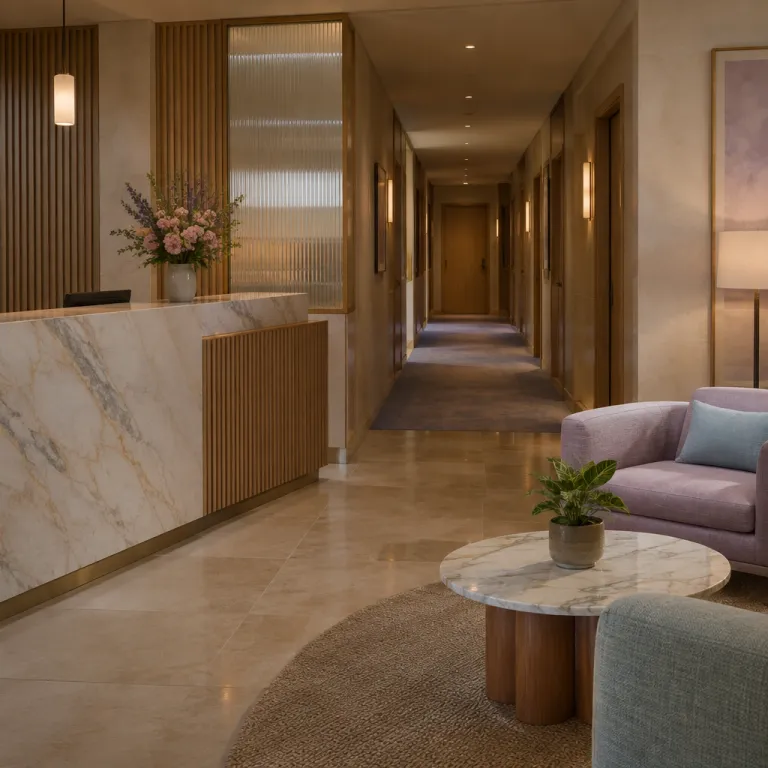
Why mid-size is becoming the new urban luxury benchmark
The phrase mid size boutique city hotel luxury now signals a very specific promise. It means a hotel with roughly one hundred rooms, enough scale for serious amenities yet still intimate enough that staff remember your name and your preferred room temperature. In major global and U.S. cities, this format is quietly outperforming many chain hotels that chased ever larger footprints and ever smaller rooms.
Independent owners, investors and travelers have all noticed that these hotels typically balance operational efficiency with a richer guest experience. Industry data from the STR U.S. Hotel Review 2023 shows luxury and upper-upscale average daily rates running more than 40 percent above midscale, while occupancy in the top tiers has held close to 70 percent in key gateway markets, which helps mid-size hotels offer high service without the overhead of a mega property. As one expert summary from a recent JLL Hotels & Hospitality outlook puts it with useful clarity: “A hotel with about 100 rooms or fewer, intimate design, distinct identity, not mass-chain identity.”
For couples planning a city stay, this scale translates into a more human lifestyle of travel. You still get a full service hotel with a proper restaurant, bar and considered amenities, but you avoid the anonymity that often defines very large chain hotel complexes. The result is a unique experience where the city feels close, the lobby feels social rather than crowded, and the room feels like a retreat rather than a generic overnight stop.
The economics of scale: where intimacy meets real service
At the heart of mid size boutique city hotel luxury lies a simple economic truth. Very large hotels must fill hundreds of hotel rooms every night, which often pushes them toward standardized services and decor that can be rolled out across multiple chain hotels with minimal friction. Very small properties, by contrast, may provide charm but struggle to fund the staff and amenities that discerning guests expect from true lifestyle hotels.
Around the hundred room mark, the numbers and the experience finally align for both travelers and owners. Investors and developers see that these hotels offer better revenue per room and more flexibility to curate locally sourced partnerships, from neighborhood roasters to independent florists. Travelers feel that balance in the way hotel rooms are laid out, the way services are delivered, and the way a concierge can still offer personalized service without being overwhelmed by volume.
For couples, this means a hotel can maintain a serious concierge desk, a bar program with a sense of place, and a restaurant that locals actually book, not just a captive dining room for jet lagged guests. If you want to test whether a property is using its scale well, the detailed checklist in this guide to signals that reveal whether a luxury city hotel earns its rate offers a sharp framework. It helps you read between the lines of marketing language and focus on how the hotel will actually feel once you arrive.
What a hundred-room house does best for city-break couples
When you book into the mid size boutique city hotel luxury category, you are choosing a particular rhythm for your stay. A hundred-room house can support a real lobby bar, a compact spa, and perhaps a rooftop terrace, yet still keep the public spaces at a scale where guests enjoy a sense of recognition. You see the same faces at breakfast, the same bartender at night, and the same front desk team when you return from the city.
This scale also allows a hotel to curate amenities that feel tailored rather than templated, from locally sourced bathroom products to neighborhood running maps annotated by staff. Many lifestyle hotels in this bracket use partnerships with design studios and local artists to create decor that reflects the surrounding streets rather than a corporate mood board. The result is a personalized experience where the room feels like part of the city narrative, not a sealed capsule that could be in any airport zone.
For couples who prefer to plan lightly, this size of hotel often becomes both base camp and guide. You can arrive with only a few ideas and let the concierge’s handwritten notes on a map steer you toward the right wine bar or gallery, a philosophy echoed in this perspective on why the best city break is the one you barely plan. In practice, the hundred-room scale gives staff enough time and context to provide that kind of personalized service without sacrificing efficiency.
Neighbourhood-first stays: how mid-size hotels anchor a city block
One of the quiet strengths of mid size boutique city hotel luxury is how naturally it fits into existing urban fabric. A property with around one hundred rooms can occupy a historic building on a corner, or a cluster of townhouses on a side street, without overwhelming the local culture that made the area attractive in the first place. In cities from San Francisco to New York, these hotels typically act as subtle anchors for their blocks rather than as isolated fortresses.
For travelers, that means stepping out of the lobby and immediately feeling the neighbourhood rather than a traffic island. A well run lifestyle hotel at this scale will often provide a ground floor restaurant or café that locals actually use, which keeps the energy authentic from breakfast through late night drinks. When guests enjoy that blend of visitors and residents, the hotel becomes a lens onto the city rather than a shield from it.
Consider how a property like the one profiled in this review of an iconic Uptown city-break address in Dallas uses its footprint to connect directly with surrounding streets. The same principle applies in dense European quarters, where mid-size hotels provide just enough presence to support a serious bar program and concierge team, yet remain small enough that the city’s own rhythm still leads your stay. For couples, that balance often matters more than having a second pool or a vast ballroom you will never use.
How to read the new wave of mid-size openings
Across Europe and major U.S. cities, a noticeable pipeline of mid size boutique city hotel luxury projects is taking shape in historic buildings. Developers have learned that converting former banks, post offices or warehouses into roughly hundred-room hotels allows them to preserve character while still achieving healthy returns. Travelers, in turn, gain access to rooms with high ceilings, original stone or brick, and a sense of narrative that new build chain hotels rarely provide.
When you evaluate these openings, focus less on labels like boutique hotels or lifestyle hotels and more on how the property uses its scale. Does the lobby feel like a place to linger, with seating that encourages conversation and services that extend beyond check in, or is it just a corridor to the lifts. Do hotel rooms show evidence of thoughtful design, such as good lighting, practical storage and acoustics that respect sleep, or do they simply echo a generic lifestyle hotel template.
The trade offs are real, and couples should weigh them with clear eyes before they stay. A mid-size property will rarely match a grand palace for spa facilities or multiple restaurants, but it can provide a more concentrated, unique experience of the city outside its doors. If you value a strong sense of place, attentive staff and a room that feels like part of the neighbourhood story, this is where luxury is increasingly being redefined.
FAQ
What defines a mid-size luxury city hotel for a weekend stay ?
A mid-size luxury city hotel usually offers around one hundred rooms, which is enough to support a full service restaurant, bar and concierge while remaining intimate. This scale allows staff to provide more personalized service than very large properties, yet still maintain the amenities couples expect on a city break. It sits between small guesthouses and big chain hotels, combining efficiency with character.
How does a mid-size hotel compare with a large chain property ?
Large chain hotels often rely on standardized design and services to manage hundreds of rooms efficiently, which can dilute a sense of place. Mid-size properties typically focus on unique decor, locally sourced details and a more flexible approach to guest requests. For many couples, that balance creates a richer experience of the city, even if the hotel has fewer facilities overall.
Are mid-size luxury hotels more expensive than smaller options ?
Rates at mid-size luxury hotels usually sit above basic city hotels but below the most opulent palace style properties. Their economics of scale allow them to charge premium prices while still offering good value through stronger service and better amenities. Travelers seeking comfort and design without the very highest nightly rates often find this segment appealing.
What should couples look for when choosing a mid-size city hotel ?
Focus on location within the neighbourhood, not just the city centre map pin, and check whether the lobby, bar and restaurant attract locals as well as guests. Read reviews for comments about staff recognition, noise levels and room layout, which reveal how well the hotel uses its scale. Finally, look for signs of connection to local culture, such as partnerships with nearby artisans or thoughtful recommendations from the concierge.
Do mid-size hotels work well for longer city stays, not just weekends ?
Many mid-size luxury hotels are well suited to longer stays because they combine efficient services with a homelike sense of familiarity. Over several nights, guests benefit from staff who remember preferences and from public spaces that feel comfortable rather than overwhelming. The key is to choose a property with practical room design, good storage and a neighbourhood you will enjoy exploring repeatedly.