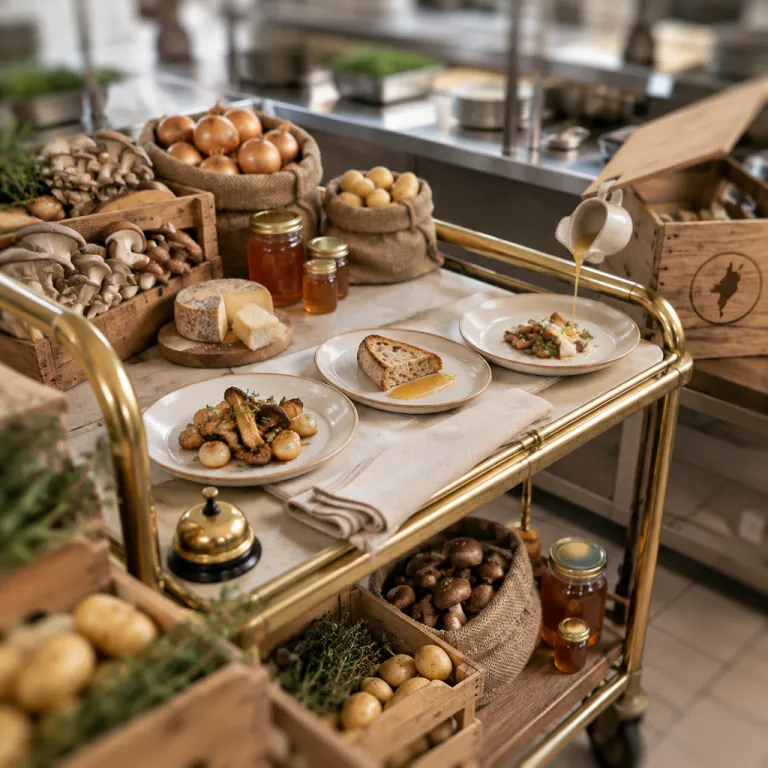
What low food mile really means when your hotel is in the city
Low food mile sounds simple until your hotel restaurant sits between glass towers and tram lines. In an urban context, a serious hotel restaurant local sourcing low food mile strategy means the kitchen builds its menus around a tight mile radius of markets, nearby farms, small scale producers and even the corner bakery that shapes the morning bread. The focus shifts from abstract sustainability slogans to a concrete map of local food, where every delivery route, supply chain and crate of fresh produce can be traced back to a name, a street and often a handshake.
For city break couples, this changes what dining feels like during a stay, because the food on the table is no longer a generic international spread but a snapshot of the neighbourhood’s own ingredients and producers. A chef who commits to hyper local sourcing will often visit farms on the city fringe, talk directly with local producers about seasonal supply, and then design dining experiences that respect what those farms can realistically grow. That is how a hotel restaurant turns food sourcing and local sourcing into a sense place, where the dining room becomes a quiet map of the city’s edible landscape rather than a stage for airfreighted clichés.
Look closely at how the hotel describes its restaurants and you will see whether low food mile is a marketing line or a working philosophy. When a property explains that its kitchen uses sourced ingredients from specific nearby farms, that its farm table menus change with seasonal produce, and that its supply chains are short enough for the chef to know each farm by name, you can trust that sourced food is more than a trend. In those hotels, the restaurant, the table and even the breakfast buffet become part of a sustainable stay, where sustainability is measured in relationships with local producers as much as in carbon calculations.
How proximity sourcing changes the mood of eating in, not out
In many cities, couples automatically plan to eat out, assuming the best restaurants are always beyond the lobby. A hotel restaurant local sourcing low food mile approach quietly challenges that reflex, because the dining room becomes a lens on the neighbourhood rather than an escape from it. When the chef builds menus around local sourcing, nearby farms and the market two streets over, staying in for dinner can feel like the most intimate way to meet the city.
Consider how a thoughtful kitchen uses local food to anchor the evening, perhaps starting with bread from the corner bakery, herbs from a rooftop garden and fresh produce from a covered market within walking distance. The table then turns into a narrative space, where sourced ingredients and seasonal supply tell you which farms are thriving, which local producers are experimenting with plant based options, and which small scale cheesemaker just joined the supply chain. In these table restaurants, proximity sourcing is not only sustainable, it is romantic, because it lets you share dining experiences that belong to this exact block and this particular stay.
When you research hotels, read the restaurant pages as carefully as the room descriptions and cross check them with insider guides such as this overview of hidden hotels locals cherish. Look for menus that name local producers, explain which farms supply which ingredients, and describe how sourced food changes with the seasons rather than promising the same dishes all year. A hotel that treats its restaurant as a neighbourhood table, with hyper local food sourcing and a clear sense place, usually offers a richer, more grounded stay than one that outsources everything to anonymous supply chains.
Reading the menu: from vague claims to named suppliers
Not every hotel restaurant local sourcing low food mile claim stands up to scrutiny, especially when the word “local” appears without context. A credible restaurant will treat the menu as a transparent map of its food sourcing, listing farms, nearby producers and sometimes even the mile radius from which key ingredients are sourced. When you see “locally sourced vegetables from Smith Street Market” or “eggs from Greenfield Farm, 18 kilometres away”, you are looking at a kitchen that understands both sustainability and accountability.
Vague phrases such as “farm to table” or “locally sourced ingredients” are not necessarily red flags, but they demand follow up questions about which farms, which supply chains and which producers actually stand behind the plate. The most trustworthy dining rooms encourage that curiosity, with servers who can explain how the supply chain works, which nearby farms provide fresh produce, and how the chef balances plant based dishes with responsibly sourced meat and fish. When a hotel restaurant can talk fluently about its local producers, its small scale suppliers and its hyper local mile radius, you know that sustainability is embedded in the kitchen rather than pasted onto the website.
For couples comparing city break stays, this level of detail matters as much as thread count or spa access, especially in destinations where demand is rising and pricing is shifting, as explored in this analysis of how tourism surges affect hotel pricing. A property that invests in short supply chains, transparent sourcing and honest communication usually applies the same discipline to its wider sustainability strategy, often aligning with ambitious carbon neutral initiatives similar to those described in this report on net zero hotel experiments. When the menu reads like a conversation with real farms and real people, your dining experiences gain depth, and your stay feels anchored in a living community rather than a sealed off luxury bubble.
Seasonality, city calendars and the honest limits of the farm table dream
Seasonality in a dense city is not a rustic fantasy, it is a calendar written in crates of produce and changing menus. A hotel restaurant local sourcing low food mile philosophy means the kitchen accepts that certain ingredients simply vanish for months, and that the dining room must celebrate what nearby farms and local producers can actually grow at any given time. For couples, this can feel like a feature rather than a limitation, because each stay becomes a different chapter in the city’s food story.
In spring, you might find a plant based tasting menu built around tender greens from small scale farms on the outskirts, while autumn brings richer dishes that use root vegetables, grains and preserved sourced ingredients from the same supply chains. The farm table ideal works in cities when chefs respect these rhythms, using hyper local food sourcing to design dining experiences that evolve with the seasons rather than fighting them with airfreighted luxury produce. This is where sustainability and pleasure align, because fresh produce at its peak simply tastes better, and sourced food that travels a short mile radius usually arrives with more flavour and less waste.
There are trade offs, and honest hotels will admit them, especially when consistency collides with seasonal supply or when extreme weather disrupts farms and supply chains. Some restaurants will keep a few signature dishes year round, relying on a broader network of farms beyond the immediate region, while still prioritising local sourcing where possible. As a guest, you can support this balance by choosing menus that highlight local food, asking how the kitchen adapts to seasonal constraints, and valuing a sense place over rigid expectations of what should always be on the table.
Using the restaurant to choose your next city break stay
For a certain kind of traveller, the smartest way to choose a hotel is to start with the restaurant and work backwards. When a property leads with a hotel restaurant local sourcing low food mile narrative, naming its farms, local producers and hyper local partners, you can often infer that the rest of the stay will be equally attentive to detail. The restaurant becomes a preview of the hotel’s ethics, its relationship with the neighbourhood and its understanding of sustainability beyond slogans.
Before you book, read how the hotel describes its dining room, its kitchen and its table restaurants, paying attention to whether they mention specific nearby farms, small scale suppliers and clear mile radius commitments. A serious approach to local sourcing usually means the team has invested in resilient supply chains, thoughtful food sourcing and menus that balance plant based options with carefully sourced meat and dairy. This level of care often spills over into other parts of the stay, from waste management to energy use, even if those details are less visible than the plate of food in front of you.
When you arrive, let the restaurant guide your exploration of the city, asking servers about the farms behind the fresh produce, the markets where sourced ingredients are chosen and the local food artisans whose products appear on the table. Those conversations can lead you to neighbourhood bakeries, wine bars and restaurants that share the same sense place, turning a single dinner into a map for the rest of your trip. In the best city break hotels, low food mile dining experiences are not a side note but a quiet manifesto about belonging, proving that when chefs source within the postcode, the whole stay feels more grounded, more sustainable and more genuinely local.
FAQ
How can I tell if a hotel’s low food mile claim is genuine ?
Look for specific details about food sourcing rather than vague language, especially on the restaurant page and the menu itself. Genuine low food mile programs name farms, local producers and markets, sometimes even listing the approximate mile radius for key ingredients. Staff in the dining room should be able to explain which nearby farms supply fresh produce, how often deliveries arrive and how the kitchen adapts menus to seasonal supply.
Does low food mile dining always mean higher prices in city hotels ?
Prices can be slightly higher because small scale farms and hyper local suppliers often have higher production costs than industrial supply chains. However, hotels that commit to local sourcing usually design menus that make the most of seasonal produce, which can help balance costs while improving flavour. For couples, the added value comes from richer dining experiences, a clearer sense place and the knowledge that their stay supports nearby farms and artisans.
Are plant based options easier to source locally in urban hotels ?
Plant based dishes often align well with local sourcing because vegetables, grains and legumes can be grown on nearby farms or even in urban gardens. Many hotel kitchens now build plant based sections around hyper local fresh produce, using seasonal supply to shape both casual and fine dining menus. When you see detailed references to specific farms and sourced ingredients in these dishes, it usually signals a serious commitment to sustainability.
What questions should I ask the hotel before booking if local sourcing matters to me ?
Ask whether the restaurant has a written policy on local sourcing and sustainability, and request examples of nearby farms or local producers they work with regularly. You can also ask how often menus change to reflect seasonal produce, whether the hotel tracks the approximate mile radius of its key ingredients and how it manages supply chains during shortages. Clear, confident answers usually indicate that low food mile dining is embedded in the operation rather than treated as a marketing trend.
Is a hotel restaurant with local sourcing always better than eating in independent restaurants ?
Independent restaurants can be outstanding, but a hotel restaurant that takes local sourcing seriously offers a different kind of value for a city break stay. It gives you a curated introduction to nearby farms, markets and artisans, often within a single dining room that you can reach in minutes from your room. Many couples choose a mix, using the hotel restaurant as a starting point to understand the neighbourhood’s food culture before exploring other restaurants that share similar sustainable values.