Mohammed VI Tower puts Rabat-Salé on the vertical luxury map
The Waldorf Astoria Rabat-Salé rises inside the Mohammed VI Tower, a planned 250-metre skyscraper that pulls the Moroccan capital firmly into the global skyline conversation. This is not the historic medina address many travellers expect from Rabat or from Morocco, but a contemporary, vertical city-break perch where the neighbourhood begins at the lobby doors and the riverfront lights stretch beneath the high floors. For anyone reading a Waldorf Astoria Rabat-Salé Mohammed VI Tower hotel review to decide where to stay, the message is clear: this is the property that signals Rabat-Salé is ready to compete with coastal Casablanca and leisure-focused Marrakech.
Early project information indicates that the tower is designed to hold a relatively small number of hotel rooms and suites, a compact inventory that makes every space feel more like a private residence than a standard city hotel key. Each of these guest rooms is positioned as coming with a personal concierge, a detail that matters when solo visitors want to move between the Atlantic corniche, the tram to Rabat’s Ville Nouvelle and the quieter streets of Salé without wasting precious travel hours. For city breakers who value height and horizon, the upper floors of this Waldorf Astoria Rabat-Salé address are expected to deliver long views over the Bouregreg Valley and the capital’s monuments, while the lower rooms keep you closer to the riverfront promenade and the developing arts district.
Rabat-Salé has long been the political capital of Morocco, yet its hotel scene never matched its diplomatic weight or its growing creative class. By placing a Waldorf Astoria in the Mohammed VI Tower, Hilton and its partners are betting that guests will now treat Rabat-Salé as a long-weekend base rather than a one-night administrative stop. For travellers used to horizontal riads, this new Mohammed VI Tower profile offers a different kind of Moroccan stay, one where the elevator ride becomes part of the narrative and where high-rise sunsets over the Atlantic feel as central as any museum visit. Figures such as the approximate 250-metre height and the anticipated limited room count originate from pre-opening communications and should be cross-checked against the latest official specifications and booking channels when planning a stay.
Seven thousand artworks and a Michelin mind: how design shapes the stay
One of the most striking numbers in any Waldorf Astoria Rabat-Salé Mohammed VI Tower hotel review is not the 250 metres of height, but the reported 7,000-plus artworks threaded through corridors, rooms and public spaces. Described in brand materials as one of North Africa’s largest private art collections, it turns the Waldorf Astoria into a vertical gallery where Moroccan painters, sculptors and photographers share walls with international names. From the moment a guest steps out of the car and into the lobby, the art curation quietly guides the journey, with pieces changing character as you move from meeting floors to the spa levels and finally to the top floors where the light is sharper.
In this context, Aldabaran by Alain Ducasse feels less like a hotel restaurant and more like another gallery, this time for Mediterranean flavours filtered through Moroccan produce. Alain Ducasse brings his Michelin background to Rabat by working with seasonal Atlantic fish, local citrus and olive oils, creating plates that speak to both the capital’s coastal geography and its role as a diplomatic dining room. A sample main course might pair line-caught Atlantic sea bass with preserved lemon, saffron and garden vegetables, with pricing likely to sit in the upper tier of Rabat’s fine-dining scene; as always, menus and tariffs should be confirmed directly with the hotel. According to the project’s official positioning, the relationship is straightforward and telling: Alain Ducasse is the Michelin-starred chef overseeing Aldabaran restaurant, a collaboration that aligns the tower with other destination-dining hotels in the region.
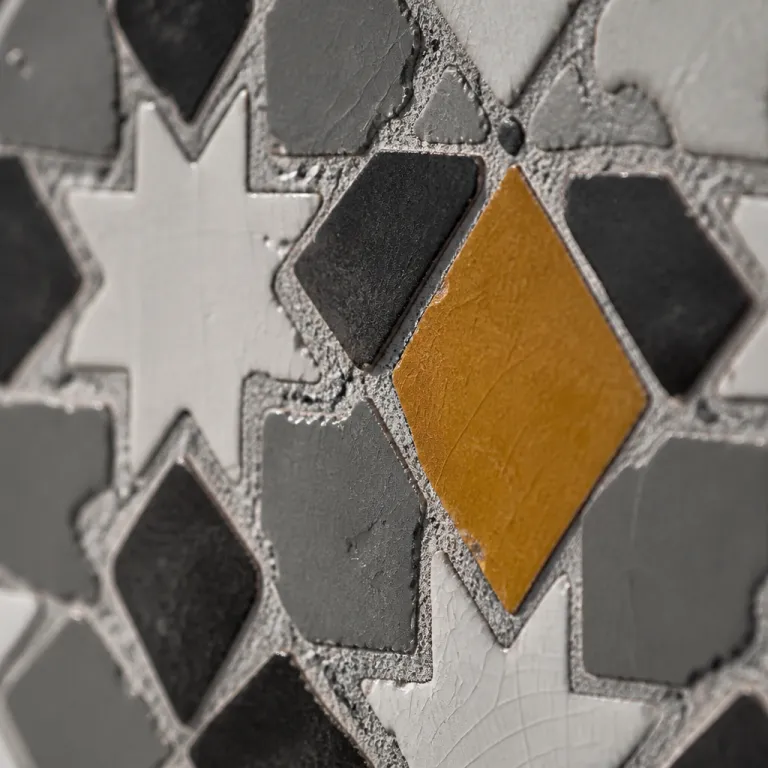
For solo travellers who plan their city breaks around serious dining, Aldabaran and the more relaxed Brasserie Magnolia by Lahcen Hafid position Waldorf Astoria Rabat-Salé alongside other culinary-led stays such as our Kyoto temple-side address in this Capella Kyoto luxury city-break guide. Peacock Alley extends the gastronomic thread into afternoon tea, where Moroccan pastries meet classic Waldorf service rituals and the bar team quietly steers guests towards local wines and low-proof cocktails. Across these venues, the design language stays consistent: high ceilings, generous daylight and artworks that reference both the Atlantic horizon and the geometric calm of traditional zellige, details that one recent guest described as “more like living in a gallery than staying in a conventional business hotel.”
Spa altitude, price point and who this city-break hotel is for
The spa is planned to occupy the 31st and 32nd floors, which changes the usual Moroccan wellness script by pairing hammam rituals with long Atlantic views. Here, a heated quartz sand table, a detoxifying dome and quiet treatment rooms sit above the capital’s traffic, giving guests the sense that their travel pause is literally suspended between sky and sea. It is a rare Morocco moment: steam, argan oil and the call to prayer drifting up from Rabat-Salé while you move between hot and cold circuits several dozen floors above the river. As with other configuration details, travellers should verify the final spa layout, opening hours and treatment list against the latest official hotel information before booking.
Downstairs, the bar and lounge spaces work hard to justify premium nightly rates, with early indications suggesting starting prices in the region of 7,000 MAD per night, a figure that will make any seasoned Moroccan traveller compare this Waldorf Astoria price tag with the far lower costs of traditional riad stays. For that premium, guests receive not only panoramic views and a serious art programme, but also a level of personalised service where staff remember your preferred way to settle the bill, whether with international credit cards or local payment methods. Compared with more classic city-break properties we have reviewed, such as the elegant San Francisco address in this American city hotel feature, the value proposition here leans heavily on height, cultural design and the Waldorf Astoria brand.
For solo explorers, the limited stock of rooms means public spaces rarely feel crowded, even when conference guests share the lifts to the top floors. Business travellers will appreciate how the Mohammed VI Tower location shortens journeys between ministries in Rabat, meetings in Salé and late-night debriefs at the hotel bar, while leisure guests can treat the property as a calm base between UNESCO-listed sites and Atlantic walks. If your ideal city break balances gallery hopping, serious dining and a spa session before bed, this Waldorf Astoria Rabat-Salé Mohammed VI Tower hotel review suggests that Waldorf Astoria Rabat-Salé belongs on the same short list as our favourite culinary-led stays highlighted in this city-break hotels worth the culinary detour. Before booking, readers should verify current figures such as the reported 7,000-artwork collection, room categories and spa configuration against the latest official hotel information and trusted booking platforms, as details and pricing can evolve after opening.