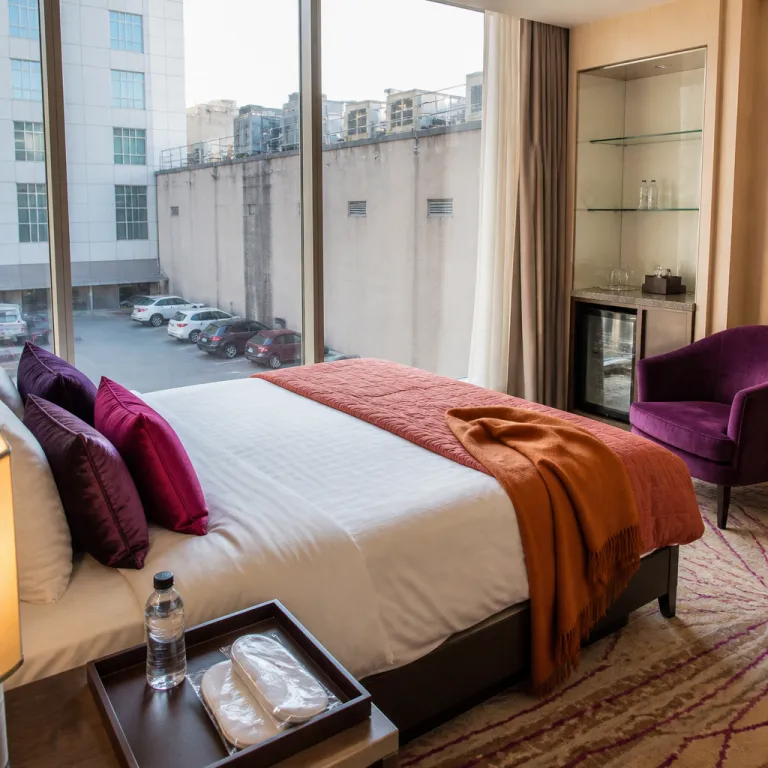
The rate–experience disconnect in urban luxury stays
Across global hospitality, the story of weakening five star service in the luxury hotel market is playing out most starkly in dense city centres. Average daily rates at high end properties have risen faster than investment in materials and operations, and the gap is clearest on two and three night urban stays where every hour counts. For couples booking a romantic weekend, that disconnect between the price of a luxury hotel and the real guest experience now shapes whether they return to hotels or shift part of their travel budget to high end rentals.
Industry data from STR and CBRE shows luxury ADR climbing well beyond pre pandemic levels, with many city properties now charging well above 350 USD per night while still operating with a market size valued more on brand perception than on consistently delivered services. Owners in every region are using dynamic pricing tools to maximise revenue and hit ambitious USD targets, yet the on property reality often reveals thin staffing, outsourced housekeeping and upper upscale chains that feel more like efficient business hotels than havens for high net couples. The result is a structural misalignment in the global hotel market where travelers pay luxury prices but receive a room type and service level closer to a mid tier category.
Guests feel this most acutely in the basics that define a city break: sleep quality, soundproofing, and bathroom functionality. When a luxury hotel charges rates that could reach USD levels once reserved for palace properties, but delivers thin walls, inconsistent hot water and slow engineering responses, the perceived net worth of the stay collapses. Many travelers now compare hotels across every region, read recent reviews and quietly ask why a property with a projected reach of strong market share cannot guarantee blackout curtains that close or a shower that drains properly.
Behind the scenes, the hospitality industry is wrestling with labour churn that directly shapes this decline in luxury hotel service standards. Surveys from Deloitte, EY and the American Hotel & Lodging Association regularly place annual staff turnover in upscale and luxury segments between roughly 30 and 45 percent, while training investment per employee often sits in the low thousands of USD, which is modest compared with the revenue generated per room type in prime city locations. As one widely quoted industry FAQ now puts it without euphemism: “Why are luxury hotel prices increasing? To offset rising operational costs and maximize revenue.”
Only a minority of high end properties empower their équipes to fix problems in real time, and that shows at the front desk. Research from Cornell’s Center for Hospitality Research and similar studies of premium hotels suggest that fewer than a third delegate meaningful decision-making authority to front-line staff, which means most city properties still require managers to approve late check outs, room moves or goodwill gestures even when the guest experience is clearly at risk. For a couple on a two night stay, waiting twenty minutes while a receptionist calls a supervisor in another region can turn a minor issue into a lasting impression of a rigid chain.
Standardised protocols designed to protect brand consistency across a global portfolio often work against the intimacy that high net travelers expect from luxury hotels. Scripts dictate how many times a guest’s name is used, but they rarely give permission to break category rules when a room type is clearly wrong for the stay, such as assigning a twin room to a honeymoon couple. This is where the luxury upper and upper upscale segments blur, as chains chase market share and USD billion valuations while eroding the small gestures that once defined luxury hospitality in North America, the United States and other mature markets.
For city break travelers, the most visible symptom of this five star quality gap is the growing distance between marketing language and on the ground services. Websites promise personalised itineraries, yet concierge desks are sometimes staffed by outsourced teams who rotate between properties and lack deep neighbourhood knowledge. When profit focused owners push for higher revenue per available room without matching investment in training, the hospitality industry ends up with a five star label that covers a very mixed set of realities across every region.
That tension is already nudging some affluent travelers toward alternative accommodations that feel more aligned with the price paid. The same FAQ that explains rising prices also notes the consequence: “Are guests satisfied with current luxury hotel services? Many express dissatisfaction due to perceived value gaps.” For couples planning short travel bursts, this dissatisfaction is amplified because there is no time for the property to recover from a poor first impression, and the entire stay can be defined by a single missed wake up call or a noisy corridor outside an expensive room type.
How staffing models and protocols quietly erode five star service
The pattern of declining service in luxury city hotels is not just about rising prices; it is about how hotels are staffed and managed day to day. Many urban properties in the luxury hotel market now rely on outsourced housekeeping and agency front line teams, which introduces variability that couples feel in everything from room readiness to turndown timing. When a hotel treats labour as a flexible cost rather than a core asset, the guest experience becomes vulnerable to every scheduling error and every missed briefing.
Turnover at 30 to 45 percent means that a significant share of the hospitality workforce in high end hotels is new to both the property and the city, and training budgets of a few thousand USD per person rarely compensate for that churn. Chains that operate across North America, Europe and Asia often centralise their service playbooks to protect the brand, but those same manuals can prevent staff from adapting to the specific needs of city break travelers who arrive late on a Friday and leave after Sunday brunch. The hospitality industry has effectively created a system where efficiency metrics and revenue targets dominate, while the nuanced art of reading a couple’s mood at check in becomes a lost skill.
Standard operating procedures are meant to guarantee consistency across a global hotel market, yet they often flatten the individuality that defines true luxury hospitality. A front desk agent may be trained to offer an upgrade only within a strict type category, even when a different room type would clearly transform the stay for a jet lagged pair arriving from the United States. This is where the luxury upper and upper upscale labels blur again, as properties chase business travelers midweek and romantic travelers on weekends without adjusting services to either group’s real demand.
Profit margins tell their own story about the debate over declining luxury hotel service quality. Studies comparing service focused properties with revenue maximising hotels from firms such as McKinsey and BCG often show a margin difference of several percentage points, suggesting that investing in people and processes does not necessarily reduce long term net worth for owners. Yet many chains still prioritise short term revenue growth, leaning on AI driven pricing to reach USD targets while keeping payroll as lean as possible, which can be tempting when the global market size for luxury hotels is measured in multiple USD billion figures.
For couples planning a city break, the impact of these choices is tangible the moment they arrive. A hotel that has empowered its équipe to act can fix a noisy room within minutes, send a handwritten note with a new key and quietly adjust the bill, while a rigid chain may require a manager’s approval for every step and leave the guest waiting in the lobby. The difference in perceived market value between those two services is enormous, even if both properties sit in the same price category and report similar revenue per available room.
Independent properties and Relais & Châteaux members are quietly gaining market share among high net travelers who prioritise emotional return on investment over loyalty points. These hotels often operate with smaller market size figures and lower absolute revenue, yet they outperform many chains on guest satisfaction because they invest more deeply in training and local knowledge. Their teams tend to stay longer, understand the neighbourhood at street level and tailor recommendations that feel curated rather than scripted, which is exactly what a two night city break demands.
Design led city properties that focus on experience rather than scale are also reshaping expectations, as explored in this analysis of exclusive design experiences redefining luxury city break hotels. These hotels may not always sit at the very top of the USD billion valuation charts, but they often deliver a more coherent guest journey from arrival to checkout. For couples, that can mean a smaller lobby but a better curated minibar, a modest spa but a perfectly soundproofed room type that actually supports rest between gallery visits and late dinners.
From a traveler’s perspective, the key is to read beyond the star rating and the glossy photography when assessing the current landscape of luxury hotel service. Look for recent reviews that mention specific staff members by name, because that usually signals low turnover and a culture that values individual contribution. Pay attention to how the hotel describes its services; properties that talk about their équipe, their neighbourhood partnerships and their approach to training often deliver a more reliable experience than those that focus solely on design and brand heritage.
What city break couples should now look for in five star stays
For couples planning a two or three night escape, the shift in luxury hotel service quality makes due diligence non negotiable. The first filter is location, but not just the city centre pin; you want the hotel where the neighbourhood starts at the doorstep and where the concierge’s map has handwritten notes. In a market where luxury hotels compete fiercely for global travelers, the properties that win loyalty are those that translate their USD billion ambitions into quiet, precise services that respect the limited time of a city break.
When comparing hotels in the United States or across North America, look closely at how each property talks about sleep, sound and bathrooms, because these are the fault lines where the five star gap often appears. A genuine luxury hotel will specify room type details such as bed configuration, blackout solutions and acoustic design rather than relying on vague upper upscale language. If a hotel market listing glosses over these basics while emphasising only rooftop bars and social media ready lobbies, that can be a red flag in the context of the wider conversation about declining luxury hotel service standards.
Short stay travelers should also pay attention to staffing signals that reveal whether a property is likely to deliver on its promise. Reviews that mention fast problem resolution, empowered front desk teams and flexible late check out policies suggest a culture that resists the more rigid side of chain protocols. By contrast, repeated references to slow responses, long queues and “waiting for the manager” hint at a business model where revenue optimisation has outpaced investment in people, even if the property sits in a prestigious type category with strong projected reach.
Comparing prices across platforms remains essential, especially as dynamic pricing tools allow hotels to adjust rates by the hour. The FAQ guidance to “Compare prices across platforms”, “Read recent reviews”, and “Consider alternative accommodations” has become a practical checklist for couples navigating today’s luxury hotel environment. When a rate feels high for the region, ask what specific services justify it; is breakfast cooked to order, is there a guaranteed late checkout window, does the hotel offer meaningful local partnerships that enhance the guest experience beyond the room.
Case studies from properties that balance design, service and technology can help set expectations. In Venice, for example, the refined comfort at Salute Palace powered by Sonder shows how a clear service concept and smart use of digital tools can support both independence and attentive hospitality. While every market and region differs, the underlying lesson is consistent: clarity about what is included, from housekeeping frequency to concierge access, matters more than ever when stays are short and rates are high.
Macro trends also shape what couples will encounter over the next cycle of city breaks. As major chains expand aggressively in Asia Pacific and other growth regions, as analysed in this piece on Hilton’s eight luxury brands strategy in Asia Pacific, capital is flowing toward new builds that target high net travelers with strong brand recognition. Yet the ongoing debate about luxury hotel service quality suggests that market share alone does not guarantee excellence, and that even a portfolio with a size valued in multiple USD billion figures must still win trust one check in at a time.
For now, the most reliable strategy for city break couples is to treat every five star booking as a considered business decision rather than an automatic upgrade. Focus on properties where the language of hospitality, training and neighbourhood engagement feels as detailed as the language of revenue and expansion. In a global market where luxury hotel pricing has outrun the experience it promises, the hotels that will ultimately reach USD performance goals are those that remember that the true net worth of a stay is measured in how it feels between check in and checkout, not just in how it looks on a quarterly report.