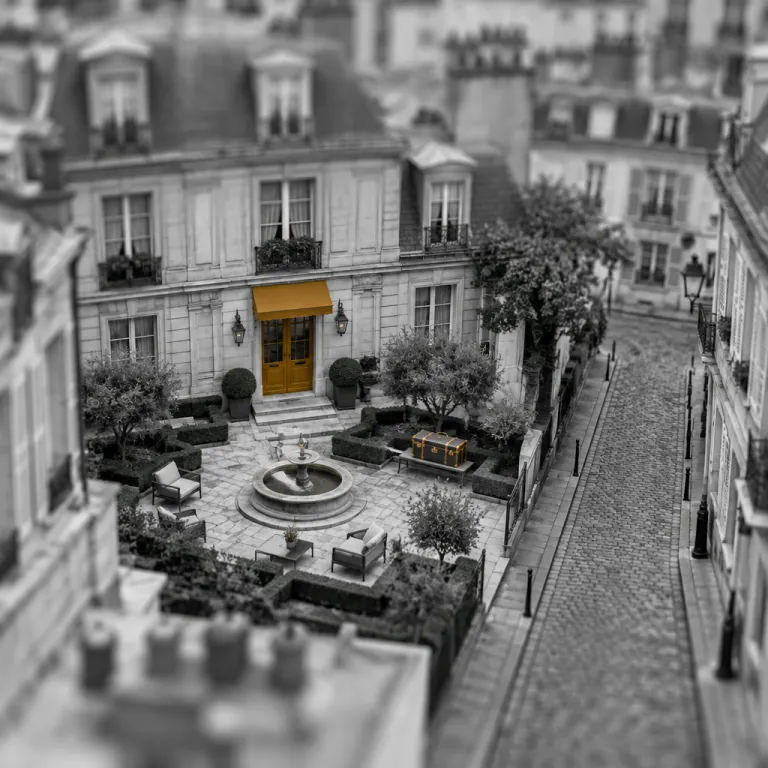
Paris off the beaten path for refined city breaks
Paris off the beaten path appeals to travellers who want elegance with privacy. This city rewards guests who slow their pace and look beyond the usual sightseeing circuit, especially when they choose a luxury hotel in a quieter arrondissement. When you plan a trip to Paris with this mindset, you will find places and experiences that feel genuinely personal yet still effortlessly sophisticated.
Many visitors rush between the Eiffel Tower, Notre Dame and a single museum, then leave without sensing how each street and park shapes daily life. A more considered visit lets you explore each path Paris offers, from a hidden rue lined with Art déco façades to a shaded square where a Paris local reads under plane trees. Choosing a premium city break hotel in a calm residential district, close to a metro line but away from the busiest axes, will give you time to enjoy these things Paris does best without feeling pushed along a crowded tourist trail.
For luxury travellers, the question is not whether to see the Eiffel Tower or the Musée d’Orsay, but how to balance these icons with quieter places that still feel distinctly Parisian. A carefully curated booking website helps you find a hotel that sits near a lesser known museum great for a rainy afternoon, or beside a metro station that connects you quickly to both grand boulevards and secret courtyards. When your base is chosen with intention, every street you cross and every park you enter becomes part of a seamless path Paris narrative rather than a checklist of attractions.
Staying like a Paris local in elegant hidden quarters
Choosing where to stay shapes how you experience Paris off the beaten path more than any single attraction. A luxury hotel set a few blocks back from the noisiest streets will still keep you close to a metro line, yet you will wake to the sound of church bells from a neighbourhood parish such as Saint-Sulpice or Saint-Ambroise rather than tour buses. This balance between calm and connection is what turns a short trip to Paris into a restorative city break.
Look for refined properties on quiet rue corners of the 5th, 9th or 16th arrondissement, where Haussmann façades meet small épiceries and discreet wine bars. From such places you can visit Notre Dame or the Île Saint Louis in the morning, then retreat to a peaceful park or a hidden museum in the afternoon without feeling trapped on the same beaten track as every group tour. When you return to your room, you will appreciate thoughtful details such as high thread count linens, deep soaking baths and concierge teams who know the best street art walks rather than only the nearest chain restaurant.
Travellers who enjoy refined urban stays in other cities, such as those seeking elegant haunted stays in Portland for a sophisticated city break, often value this same sense of local immersion in Paris. They want to find a place where the nearest metro stop leads not only to the Eiffel Tower, but also to a flea market frequented by residents and a small musée des arts décoratifs with a quiet café. When a booking website highlights these nuanced neighbourhood stories, it becomes easier to choose a hotel that keeps you close to Paris beaten paths when you wish, yet always offers a graceful retreat just one street away.
Hidden green paths and elevated walks beyond the crowds
Some of the most rewarding ways to experience Paris off the beaten path involve walking along former railways and elevated gardens. The Promenade Plantée, also called the Coulée Verte René-Dumont, runs for nearly 5 kilometres above the street and offers a serene path Paris perspective over the 12th arrondissement. From a nearby luxury hotel in this part of the city, you can start your day with this leafy promenade before descending to visit a museum great for design or photography.
Another atmospheric route is the Petite Ceinture, the disused railway line that once circled the city and now appears in sections as a wild park and informal street art gallery. Certain stretches of this beaten track turned green corridor feel far removed from the usual things Paris is known for, yet you remain only a few minutes from a metro station and a refined café terrace. Staying in a hotel near these paths allows you to balance time in iconic places like the Eiffel Tower with unhurried walks where you will meet joggers, gardeners and the occasional Paris local walking a dog.
Travellers who appreciate lakeside promenades and hidden shores, such as those highlighted in refined stays on Lake Como, often fall in love with these quieter Paris walks. They value a city break where each path, park and elevated garden feels like a curated extension of their hotel’s calm interiors. When planning your trip to Paris, consider how many mornings you would like to spend on these green routes, then choose a place that keeps them within easy reach while still allowing swift metro access to more central arrondissements.
Art, museums and spiritual calm away from the main avenues
Paris off the beaten path is particularly rewarding for travellers who love art, architecture and contemplative spaces. Beyond the Louvre and Musée d’Orsay, you will find a network of smaller musée collections and museum great experiences where you can stand close to works without crowds. Staying in a hotel near one of these places allows you to visit at opening time, then linger in the surrounding streets as the city wakes.
Consider the Musée Zadkine near the Jardin du Luxembourg, a serene place dedicated to sculpture, or the Musée de la Vie Romantique, located in the 9th on a quiet rue with a garden café. These museums sit on a softer beaten path, where you will encounter students, curators and Paris local residents rather than tour groups rushing between things Paris is most famous for. After a morning of art, you might walk to an Église such as Saint-Germain-des-Prés or Saint-Roch tucked behind a busy street, where stained glass and stone arches offer a moment of calm before returning to your hotel.
Spiritual and cultural diversity also shapes this city’s quieter corners, from the Grande Mosquée de Paris with its tiled courtyards and tea room to small synagogues and chapels hidden along side streets. A luxury booking website that highlights proximity to such sites, rather than only to the Eiffel Tower or Notre Dame, helps you plan a trip to Paris that reflects your interests in architecture, faith and history. When you choose a place near these institutions, every step along the surrounding beaten track becomes part of a deeper narrative about how art, croyances and daily life intertwine in this city.
Island charm, cemeteries and poetic streets beyond the usual route
Many travellers cross the Seine without realising how much character lies on its smaller islands and in its historic cemeteries. The Île Saint Louis, for example, offers a refined version of Paris off the beaten path, with narrow rue alignments, 17th century façades and river views that feel far from the main beaten track. Staying in a nearby hotel allows you to visit early, when delivery vans and residents set the rhythm rather than souvenir stalls.
Père Lachaise Cemetery in the 20th arrondissement is another essential part of a more reflective path Paris itinerary. This vast park like necropolis, set on a gentle hill, invites slow walks along cobbled street style alleys lined with mausoleums and trees. You will find not only famous graves, but also quiet corners where birdsong replaces traffic noise, making it one of the most atmospheric places for those who appreciate history, sculpture and time worn stone.
Between these sites, pay attention to the smaller details that define things Paris does best away from the centre. A single rue may shift from street art murals to Art déco doorways within a few metres, while a nearby park hosts chess players and children after school. When your hotel concierge understands this side of the city, they will guide you toward streets and places that match your interests, whether you seek literary cafés, hidden courtyards or simply a peaceful bench with a view of the Seine.
Markets, metro moments and living like a temporary resident
To experience Paris off the beaten path as a temporary resident, you need to engage with its markets, transport and everyday rituals. Start with a morning visit to a flea market such as Marché aux Puces de Saint-Ouen, where antique furniture, vintage fashion and street art inspired objects fill entire districts. Staying in a hotel with easy metro access to these markets means you can arrive early, find unique pieces, then return before the crowds thicken.
Food markets across the city, from Marché d’Aligre to Marché des Enfants Rouges, offer another way to step away from the usual beaten path. Here you will find seasonal produce, cheeses and pastries that locals buy for their own tables, and you can assemble a picnic for a nearby park or riverside quay. Choosing a place in an arrondissement near such markets allows you to integrate these visits into your daily rhythm, turning a short trip to Paris into a series of small, flavourful rituals.
Using the metro like a Paris local also changes how you perceive distance and time. Rather than treating each journey as a transfer between major sights like the Eiffel Tower and Notre Dame, you begin to notice the Art déco tiling, station names referencing saints and writers, and the way each exit leads to a different street or square. When planning your wider European travels, you might even compare this sense of lived in elegance with other refined city breaks, such as a luxury getaway in Lisbon, and use a premium booking website to align your hotel choices with the same appreciation for local rhythm and understated charm.
Design led luxury stays that frame the city’s quieter stories
For many travellers, the most memorable aspect of Paris off the beaten path is how their hotel frames the city’s quieter stories. A luxury property that blends contemporary design with Art déco references can echo the façades you see along nearby rue and avenues, creating a dialogue between interior and exterior spaces. When such a hotel is set in a less touristed district, every step outside the lobby leads you onto a more authentic beaten track.
Thoughtful booking platforms now highlight not only room categories and amenities, but also the character of surrounding streets, parks and cultural places. They may note that a property sits within walking distance of a small museum great for photography, a park ideal for morning runs, or an Église Saint known for evening concerts. This level of detail helps you plan a trip to Paris where your time is divided between iconic things Paris is famous for and the subtle pleasures of local cafés, independent galleries and riverside paths.
When evaluating options, pay attention to how each hotel describes its relationship with the city. Does it mention nearby street art, the closest metro line to the Promenade Plantée or Petite Ceinture, or the atmosphere of the local flea market? These clues indicate whether the property understands Paris off the beaten path as more than a marketing phrase, and whether it will help you find the balance between comfort, culture and curiosity that defines a truly luxurious city break.
Key figures for refined city breaks in Paris
- Paris welcomed around 38 million visitors in 2019 according to Paris Île-de-France Tourisme, yet tourism authorities report that stays are increasingly spreading beyond the central arrondissements, with outer districts gaining several percentage points of market share.
- Data from Atout France indicates that cultural tourism represents roughly 40% of international visits to the country, supporting the growth of smaller musée institutions and museum great experiences away from the main beaten path in the capital.
- Transport statistics from RATP show that the metro carries more than 4 million passengers on an average weekday, which makes proximity to a station a key factor for hotel guests seeking to balance iconic sights with quieter neighbourhoods.
- Studies by the World Travel & Tourism Council highlight that travellers choosing premium and luxury accommodation tend to spend significantly more per day on local gastronomy, art and shopping, reinforcing the value of hotels in arrondissements near authentic markets and independent galleries.
FAQ about luxury city breaks in Paris off the beaten path
Which Paris neighbourhoods suit a luxury stay away from the crowds ?
Elegant options for Paris off the beaten path include parts of the 5th, 9th, 16th and 17th arrondissements, where tree lined streets and Haussmann buildings sit near small parks and local markets. These districts offer quick metro access to central sights while maintaining a calmer residential feel. Many premium hotels here emphasise design, privacy and personalised service.
How many days do I need for a refined offbeat Paris itinerary ?
A minimum of three nights allows you to see major icons such as the Eiffel Tower and Notre Dame while still exploring quieter streets, markets and museums. With five nights, you can add walks along the Promenade Plantée or Petite Ceinture and spend unhurried time in neighbourhood cafés. Longer stays also make it easier to visit multiple musée collections without rushing.
Is it easy to use the metro when staying outside the centre ?
Paris has a dense metro network, and even hotels in less touristed districts are usually within a short walk of a station. Journey times to central areas often range between 10 and 20 minutes, which makes it simple to combine iconic sights with local experiences. Choosing a hotel near intersecting lines can reduce transfers and save time.
What should I look for on a luxury booking website for Paris ?
Beyond room photos and star ratings, focus on how each property describes its surroundings, including nearby parks, markets, museums and transport links. Look for mentions of specific rue names, metro stations and cultural places, which signal genuine local knowledge. Reviews that highlight concierge recommendations and neighbourhood walks are also valuable.
Can I combine Paris with another European city break in one trip ?
Many travellers pair a refined stay in Paris with another European city reachable by direct flight or high speed train. Popular combinations include Lisbon, Amsterdam and Milan, each offering its own version of off the beaten path neighbourhoods and design led hotels. When planning, allow at least three nights in each city to avoid feeling rushed.