The new quiet: why acoustic design defines real urban luxury
In a dense city, true luxury starts with a quiet room that lets your mind exhale. For a modern luxury hotel in a busy centre, a genuinely soundproofed, quiet room is not an add-on but the core promise that separates restorative stays from pretty yet exhausting properties. When you choose a hotel for a short urban escape, the acoustic character of the building will shape your sleep, your mood, and how you remember the neighbourhood.
Across premium hotels worldwide, operators now treat noise as a primary design material, not an afterthought hidden behind décor. Luxury hotels, acoustic consultants, and architects work together on sound insulation so that guests feel cocooned even when the street outside is running at full volume. This shift is driven by hard data, with noise consistently ranking as the top reason guests rate a high-end hotel below expectations after what should have been a peaceful night.
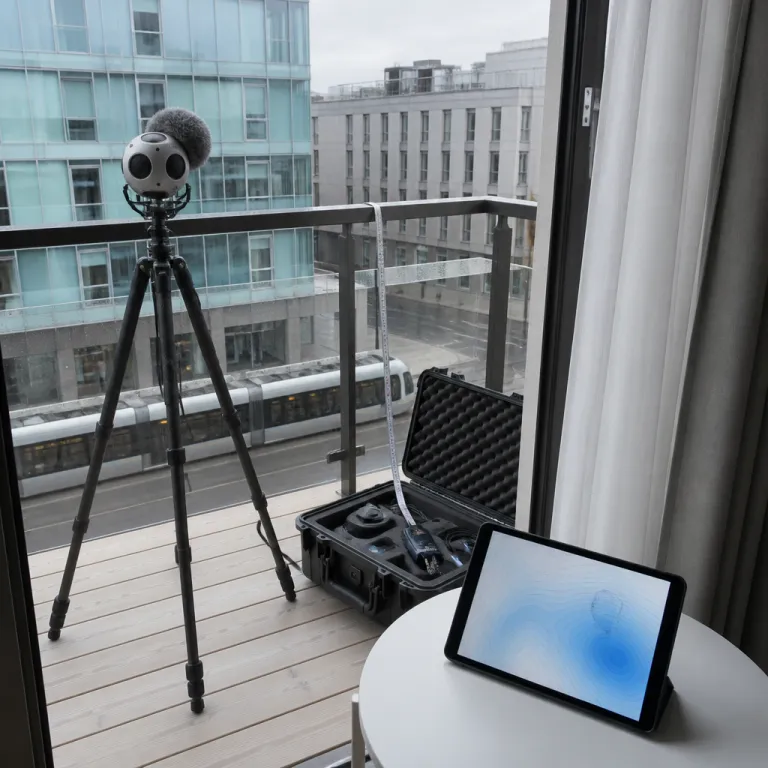
Noise mapping has become the quiet revolution behind the scenes of every serious acoustic design project. By measuring sound at different times and locations, a property can see where to reinforce hotel windows, doors, and walls to reduce the harshest peaks. The World Health Organization’s Night Noise Guidelines for Europe recommend that average outdoor levels at the façade stay below 40 dB Lnight,outside to protect public health, and note that sustained exposure above about 55 dB increases the risk of serious sleep disturbance. Designers therefore aim to keep bedroom interiors closer to a calm library than a busy street.
Three acoustic layers matter most for hotel soundproofing in any busy district. Street noise comes first, travelling through window frames, balcony doors, and even the tiniest gaps around a window that looked solid in photos. Then corridor noise arrives from other hotel rooms, luggage wheels, and late returns, while mechanical hum from lifts and air conditioning can undermine even the best designed quiet hotel if engineers ignore low-frequency sound.
The acoustic hierarchy: street, corridor, and mechanical noise
Not all noise is created equal, and understanding this hierarchy helps you choose the best hotel for a city break. Street sound is the most obvious villain, yet well designed hotel windows with deep frames and laminated glass can reduce traffic roar to a soft hush that supports easy sleep. As a reference point, a typical single-glazed window might provide around 25–28 dB of airborne sound reduction (Rw), while a modern double-glazed, laminated unit can reach 40–45 dB Rw, turning a 70 dB street into a bedroom closer to 25–30 dB.
Corridor and internal noise are subtler, but they often disturb a night’s sleep more than the distant city itself, especially when doors slam or voices bounce along hard surfaces. Noise mapping in luxury hotels now pinpoints where sound travels vertically and horizontally through a property. Designers then use acoustic panels, double doors, and layout tricks to keep sound from lifts, ice machines, and service areas away from hotel rooms that promise a peaceful night. As one hotel acoustics guide puts it with clinical clarity, “Noise mapping in hotels means systematically assessing and visualizing sound levels so that soundproofing upgrades target the areas that matter most for sleep.”
Mechanical hum is the final layer in this acoustic hierarchy, and it can be the hardest to fix once a hotel is open. New-build hotels from brands such as Six Senses or Aman often place plant rooms far from guest floors, proving that a quiet, well-insulated hotel is engineered long before the first guest checks in. When you read reviews that praise a calm property without mentioning traffic, lifts, or air conditioning, you are usually seeing the result of careful acoustic decisions that started on the architect’s desk.
For city-break travellers, this hierarchy offers a practical booking strategy that goes beyond star ratings. First, look for clear mentions of soundproofing, quiet rooms, and hotel windows with double or triple glazing in the description. Then read between the lines of guest comments, because when people praise a comfortable bed yet complain about corridor noise, you know the property invested in mattresses but not in doors, walls, or layout.
Location still matters, but not in the way glossy brochures suggest with vague promises of a central address. The most rewarding stays balance a walkable neighbourhood with a building that shields you from its late-night soundtrack, and you can learn a lot about this balance from guides that decode what your hotel’s neighbourhood says about how you travel. A refined city escape is always about both the street outside and the acoustic envelope that separates you from it.
How new build luxury hotels engineer silence from the ground up
When a luxury hotel is designed from scratch, silence is drawn into the blueprints alongside light and circulation. Developers who take sound seriously commission acoustic consultants early, so that hotel rooms sit behind buffer zones of storage, corridors, or green courtyards that naturally reduce noise. In these projects, a sound-conscious hotel is not a retrofit fantasy but a structural reality.
Brands known for wellness and retreat-style stays, such as Six Senses, often treat acoustic comfort as part of their spa philosophy. Triple-glazed hotel windows, heavy corridor doors, and decoupled walls between rooms work together so that guests hear more of their own breathing than the city outside. Mechanical systems are mounted on isolation pads, which stops low rumble from travelling through the property and undermining a peaceful night.
In these new builds, every hotel room becomes a small acoustic studio where materials are chosen for both touch and sound. Thick carpets, upholstered wall panels, and solid timber doors do more than look refined, because they absorb and diffuse sound before it reaches your pillow. A typical high-performance partition between rooms might achieve 50–55 dB Rw, which means loud conversation in the next room becomes a faint murmur or disappears into the background.
Window frames are another quiet hero in the story of hotel soundproofing, especially in towers that face busy avenues or tram lines. Deep frames with multiple seals, combined with laminated glass, can deliver impressive noise reduction without sacrificing the view that city-break travellers crave. For guests, the result is a comfortable balance where you can watch the city lights through a closed window while still enjoying a restful night’s sleep.
Some operators now treat acoustic performance as a signature feature, much like a rooftop bar or a design-forward lobby. They highlight quiet-room credentials in marketing, explain how their hotel windows were specified, and even invite curious travellers to learn more about the engineering behind the calm. If you are planning a trip to a lively capital such as Panama City, guides to elegant places to stay for a refined urban escape often point out which properties have invested in this invisible layer of luxury.
Heritage conversions and the design trade off of spectacular spaces
Converted palazzos, warehouses, and townhouses promise character, but they rarely start life as quiet hotels. Thick stone walls can help reduce street noise, yet original windows and doors often leak sound in ways that undermine even the best renovation. In these heritage properties, a peaceful city-break stay depends on how bravely owners tackle the tension between preservation and performance.
Retrofitting soundproofing into old structures is complex, because every intervention must respect protected façades and historic details. Acoustic consultants map sound paths through stairwells, courtyards, and timber floors, then propose discreet upgrades such as secondary glazing, heavier doors, and underlay beneath restored parquet. When done well, guests enjoy both the patina of age and the comfortable hush of a modern, well-insulated hotel without noticing the engineering behind it.
The most visible trade-off appears in dramatic atrium lobbies and open-plan bars that look spectacular on social media. These volumes can turn into echo chambers where clinking glasses and live music spill upwards into hotel rooms, especially when balconies and internal windows face the void. Designers sometimes forget that a property is not only a stage for arrival but also a place where people need deep sleep after a long day of exploration.
Noise mapping data shows that untreated lobbies can easily reach levels of 70–75 dB during busy periods, which feels more like a lively restaurant than a calm reception. Acoustic panels, soft furnishings, and strategic zoning can reduce this sound without dulling the energy that makes a city break feel alive. When you read about a hotel whose lobby buzzes yet whose rooms remain quiet, you are seeing a rare case where design ambition and hotel soundproofing finally align.
For travellers who value both atmosphere and rest, the key is to ask precise questions before booking and to read reviews with an ear for detail. Look for mentions of secondary glazing, interior-facing rooms, and whether the bar sits directly beneath guest floors or in a separate wing of the property. If a hotel invites you to discuss quiet room options or to request details of soundproofing in specific categories, that transparency is usually a strong sign of acoustic seriousness.
How to book the quietest room and read reviews like an insider
Choosing a quiet room in a busy city is a skill, and it starts long before check-in. When you search for a luxury hotel for a short city break, pay attention to how the property describes its hotel rooms and whether quiet categories are clearly labelled. Phrases such as inner courtyard view, high floor, or sound-insulated windows often signal a better chance of a peaceful night.
Before you reserve, email or call and ask targeted questions about soundproofing, not just about size or view. Ask whether the hotel windows are double or triple glazed, whether doors between rooms are solid core, and which floors sit furthest from bars or event spaces. Hotels that take noise seriously will answer confidently, while vague replies usually mean the property has not invested in serious acoustic control.
Reviews rarely use technical language, so you need to read between the lines to understand the real acoustic story. Comments about thin walls, slamming doors, or hallway chatter suggest poor separation between rooms, even if the street itself is quiet. On the other hand, praise for a comfortable bed combined with silence, or for a surprisingly quiet room facing a busy avenue, often indicates strong soundproofing and well specified window frames.
Some travellers now use noise-mapping apps and simple decibel meters to document their stays, which adds another layer of transparency to guest feedback. When multiple reviews mention that a property feels like a calm refuge despite a central location, you can trust that the soundproof hotel design is doing its job. For more context on how a hotel’s character and surroundings shape your stay, guides that explore how local craft defines a hotel’s sense of place can complement your acoustic research.
As the industry moves toward restorative luxury, silence is becoming a premium amenity that sits alongside spa access and late checkout. Hotels that share their acoustic strategy openly, or that encourage you to ask for a room near the quietest courtyard, are signalling a deeper commitment to your rest. For solo explorers who measure a city break in discoveries per square block, that commitment can mean the difference between a rushed visit and an experience that feels both intense and genuinely restorative.
What travelers should know about tools, trends, and practical soundproofing choices
Behind the scenes, the hospitality industry is quietly standardising tools that used to belong only to engineers. Noise mapping, acoustic modelling, and real-time monitoring now help luxury hotels track how sound moves through rooms, corridors, and public spaces across the day. This data-driven approach allows a property to reduce noise where it matters most for guest sleep rather than relying on guesswork.
Operators are also experimenting with products that are relatively easy to install during soft renovations, such as upgraded window seals, heavier curtains, and acoustic underlay beneath carpets. While these measures cannot match the performance of a fully engineered soundproofing strategy, they can still deliver meaningful noise reduction for existing hotel rooms in lively districts. For guests, the benefit is a more comfortable stay in properties that might otherwise struggle to compete with new builds on acoustic performance.
Travellers who want to learn soundproofing basics do not need an engineering degree to ask the right questions. Focus on the three main paths of sound into a hotel room, which are windows, doors, and walls, and ask how each has been treated in the category you plan to book. If the answer includes double glazing, solid core doors with seals, and insulated partitions between rooms, you are likely to enjoy a peaceful night even in a central neighbourhood.
Industry data shows that a significant share of guest complaints in hotels still relates to unwanted sound, which is why serious brands now treat acoustic comfort as a core part of their identity. Luxury hotels that invest in soundproof windows, corridor buffers, and quiet mechanical systems tend to see higher satisfaction scores and stronger repeat business. For city-break travellers, choosing such a property is not only about indulgence but also about protecting your limited time in a destination.
As you refine your own booking habits, remember that the most luxurious experience often comes from a balance of design, location, and silence. A hotel that looks spectacular yet fails to control noise will leave you more tired than when you arrived, no matter how impressive the lobby appears on arrival. The true test of a quiet urban escape is simple and personal, because you will know the property has succeeded when you close the door, hear almost nothing, and feel your shoulders drop within seconds.
FAQ
How can I tell if a hotel is genuinely quiet before booking ?
Look for clear mentions of soundproofing, double or triple glazed windows, and quiet room categories in the hotel description. Then scan recent reviews for comments about noise from the street, corridors, or air conditioning rather than relying only on star ratings. If in doubt, contact the property directly and ask which room types are farthest from bars, lifts, and service areas.
What is noise mapping in hotels and why does it matter ?
Noise mapping is the process of measuring and visualising sound levels throughout a property at different times of day. It helps designers and managers identify where noise enters hotel rooms and which areas need better insulation, doors, or layout changes. Hotels that use noise mapping can target investments more effectively, which usually leads to better sleep quality for guests.
Are heritage hotels always noisier than new build properties ?
Heritage conversions often face tougher soundproofing challenges because original windows, doors, and structures were not designed for modern acoustic standards. However, when owners invest in secondary glazing, heavier doors, and discreet insulation, these properties can still offer very quiet rooms. The key is whether the hotel has treated acoustic comfort as seriously as design and preservation.
What room location should I request for the best chance of a peaceful night ?
Ask for a high floor away from lifts, service areas, and bars, and consider an inward-facing room that overlooks a courtyard rather than a main street. Corner rooms can sometimes be quieter because they share fewer walls with neighbours, but this depends on the layout. Always confirm whether the specific category you book includes upgraded windows and solid core doors.
Can simple measures like curtains and carpets really improve hotel room soundproofing ?
Soft furnishings such as thick curtains and carpets do not replace structural soundproofing, but they can reduce echoes and soften some mid and high frequency noise. When combined with good windows and doors, these elements contribute to a more comfortable acoustic environment. For serious noise problems, though, only proper insulation, glazing, and layout changes will deliver a consistently quiet stay.