From bank of italy headquarters to corinthia rome luxury hotel
Corinthia Rome sits in the very heart of the city, inside the former Bank of Italy headquarters on Piazza del Parlamento. The story of this Corinthia Rome luxury hotel in a heritage building begins with a 9,700 square metre palazzo that once guarded national reserves and now opens its doors to paying guests, a figure and use confirmed in public property filings and project announcements. Walking into the hotel today, you feel how a once off-limits address has been edited rather than erased, with the original banking hall reimagined as a grand lobby that frames the Eternal City outside and still hints at its institutional past.
The palazzo belongs to the Reuben Brothers real estate portfolio, as noted in their official investment communications, while Corinthia Hotels operates the property with a clear focus on luxury hospitality and preservation-first renovation. This partnership means the former Bank of Italy is treated less as a generic city asset and more as a cultural sign of how Rome opens itself to travellers through adaptive reuse rather than demolition. The result is a five-star hotel where every corridor, stairwell and suite still carries the weight of a historic institution, yet the hospitality choreography feels light, contemporary and quietly confident rather than museum-like.
Originally completed in the early 20th century as the Bank of Italy headquarters, Corinthia Rome is now a luxury hotel in a historic building that balances heritage with modern comforts. What amenities does Corinthia Rome offer? Generous rooms and suites, fine dining, and a spa created in the former bank vault, alongside a compact fitness area and concierge services typical of an upscale Roman city hotel. Who is the chef at Corinthia Rome? Carlo Cracco, a renowned Italian chef who collaborates on the hotel’s culinary direction according to official Corinthia announcements. What is the history of the Corinthia Rome building? It began life as a monumental financial institution on Piazza del Parlamento. These verified details anchor the guest experience in real Roman history, not marketing fantasy, and they explain why the building itself is the main attraction for many visitors choosing between central Rome hotels.
Preservation first design and the guest experience of heritage
Preservation first at this Corinthia Rome luxury hotel means keeping the bones of the palazzo while reworking the organs that make hospitality function. The historic structure, with its thick walls and ceremonial staircases, has been carefully restored so that original frescoes, marble balustrades and coffered ceilings remain the visual protagonists. Guests will notice that corridors still follow the logic of a bank rather than a new-build hotel, which creates a sense of narrative as you move from public spaces to each suite and understand how the building once operated.
Inside the rooms, the design language balances Roman gravitas with contemporary comfort, using warm stone, soft textiles and tailored lighting instead of ostentatious luxury gestures. The heritage suite collection, including the Arte Suite and the Chigi Suite, turns former executive offices into residential-scale spaces where original frescoes and high windows frame the city outside; average suite footprints here are significantly larger than standard European city rooms, often exceeding 40–50 square metres according to indicative layout plans. Staying in one of these suites feels less like occupying a standard hotel room and more like borrowing a private apartment in a historic building that has quietly observed Rome for generations.
Adaptive reuse here is not only about aesthetics; it is also about sustainability and long-term real estate stewardship in the Eternal City. By retaining the existing building fabric, Corinthia Hotels and the Reuben Brothers group reduce the embodied carbon cost of construction while extending the life of a nationally significant property, a strategy broadly aligned with current European heritage and environmental guidelines. For travellers comparing heritage conversions in different destinations, it is useful to look at other carefully restored icons, such as the best hotel in Aswan along the Nile, where historic architecture also shapes the stay in ways a ground-up resort never could, and to weigh whether that sense of continuity justifies a premium over more conventional new-build options.
Sixty keys, a former vault spa and the intimacy of scale
The decision to limit Corinthia Rome to just 60 keys is central to how this luxury hotel in a converted bank operates, a number cited in official project descriptions and hospitality press coverage. A palazzo of this scale in the Campo Marzio district could easily have been carved into many more rooms, yet the restrained key count preserves generous volumes and allows suites to breathe. For solo travellers and couples on a city break, that means quieter corridors, more attentive hospitality and a sense that staff actually recognise you by the second day, even when the hotel is close to full occupancy.
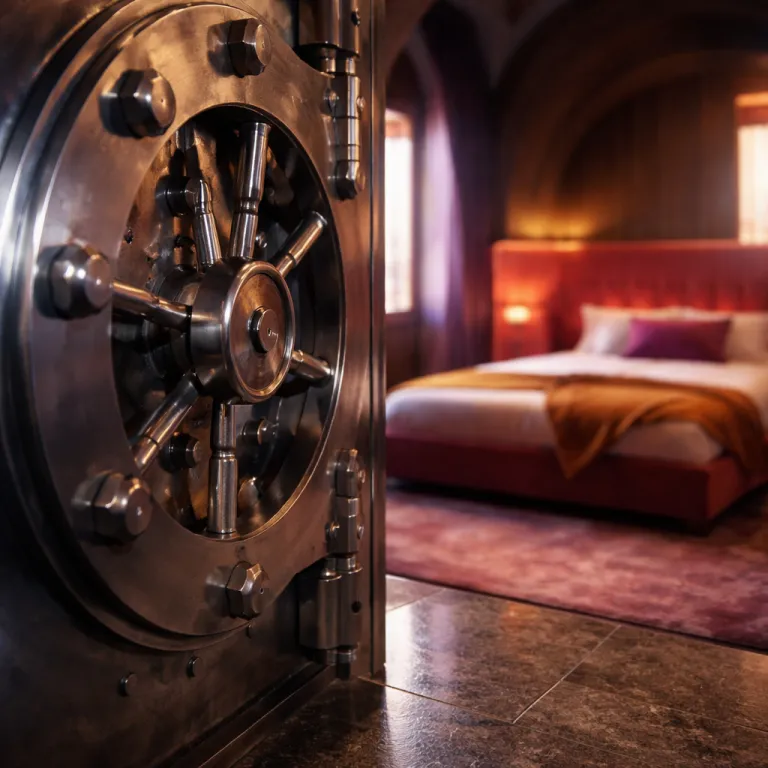
Several of the most characterful spaces sit below street level, where the former bank vault has been transformed into a spa that feels both theatrical and cocooning. Descending to this area, guests pass thick doors and stone arches that still whisper of security and secrecy, yet the design now focuses on warmth, water and light rather than locked deposits, with features such as treatment cabins, a small pool and thermal areas typical of high-end Roman wellness spaces. One recent guest described the experience as “like stepping into a secret hammam hidden inside a bank”, a vivid example of how a historic building can be re-scripted without losing its narrative, turning a once restricted zone into a sanctuary at the core of a luxury hotel.
Upstairs, the Arte Suite and Chigi Suite demonstrate how a small key count allows for highly individual layouts, with some suites running along entire façades overlooking Piazza del Parlamento or the narrow streets leading towards the Spanish Steps. This level of spatial generosity is rare in dense city real estate, and it aligns Corinthia Rome with other European heritage conversions that prioritise character over capacity. Travellers who appreciate this approach often seek similarly crafted stays, such as an elegant and memorable escape in Provence, where scale and setting again work together to create a slower, more attentive rhythm, even if nightly rates can sit above more standardised chain hotels in the same neighbourhood.
Piazza del Parlamento versus via Veneto: two roman city break moods
Location defines any city hotel, and in Rome the contrast between Piazza del Parlamento and Via Vittorio Veneto is particularly instructive. Corinthia Rome anchors the former, a working political square where ministers, aides and journalists move between palazzi, while Baccarat Rome occupies the latter, a grand boulevard long associated with cinematic glamour. For a solo explorer planning a city break, the choice between these addresses is essentially a choice between two different Roman narratives and two different daily walking patterns.
On Piazza del Parlamento, the Corinthia Rome luxury hotel feels plugged into the daily machinery of the Italian state, with the Chamber of Deputies nearby and the Campo Marzio streets radiating out towards the Tiber. Step outside and you are within roughly 10–15 minutes on foot of the Spanish Steps, the Trevi Fountain and the designer corridors around Via Condotti, yet the immediate atmosphere remains more institutional than touristic. This gives guests a sense of being temporary insiders in the Eternal City, watching the choreography of government from the discreet comfort of a luxury hospitality enclave while still enjoying quick access to headline sights.
By contrast, Baccarat Rome on Via Veneto, housed in the former Hotel Majestic with design by Pierre-Yves Rochon, offers a more overtly theatrical take on Roman luxury. Both properties are part of the same heritage conversion wave, yet their urban settings shape the experience in distinct ways that matter for short stays, including likely differences in street noise, nightlife and price positioning relative to nearby five-star competitors. When planning where to go for the best places to visit in Europe in summer, it is worth mapping not only monuments but also the micro-neighbourhoods around each hotel, because the streets you cross daily will define your memories as much as any headline sight and may influence whether you feel more like a flâneur or a film extra.
Carlo cracco, roman flavours and the new language of luxury hospitality
Food is where many guests most clearly feel the shift from institutional building to lived-in hotel, and at Corinthia Rome that shift is orchestrated by chef Carlo Cracco. The collaboration between Carlo Cracco, Corinthia Hotels and the Reuben Brothers group turns the former bank into a stage for contemporary Italian gastronomy that still respects Roman roots, a role confirmed in official launch materials and hospitality reporting. In the main restaurant and bar, the design frames both the original frescoes and the theatre of the open kitchen, so that every meal becomes part of the wider heritage narrative rather than an isolated dining event.
Menus here lean into the city context, with chef Carlo using local suppliers and seasonal produce to reinterpret classic Roman dishes in a way that feels precise rather than showy. Guests will find that the dining rooms, like the suites, are scaled for conversation, with acoustics softened by textiles and thoughtful lighting that respects the historic architecture, and pricing that broadly reflects the upper tier of central Rome fine dining. This is luxury hospitality expressed not through excess but through calibration, where the temperature of the room, the pacing of courses and the sightlines to Piazza del Parlamento are all quietly tuned.
Across the property, signage and service language reinforce the idea that this Corinthia Rome luxury hotel in a heritage building is part of a wider Corinthia Hotels portfolio yet remains deeply specific to Rome. Staff are trained to explain the history of the palazzo, the role of the preserved architectural elements and the story behind each heritage suite, so that curious travellers can connect the dots between architecture, cuisine and daily life in the Eternal City. For city break guests who value context as much as comfort, this layered experience is the real luxury, turning a short stay into a compact masterclass in how old-world buildings can host new-world journeys and helping them judge whether the atmosphere, location and likely rates align with their own idea of value.
FAQ
What is the history of the Corinthia Rome building?
The building that now houses Corinthia Rome began life as the headquarters of the Bank of Italy on Piazza del Parlamento. It is a substantial palazzo in the Campo Marzio district, with around 9,700 square metres of space arranged around formal staircases and grand halls, according to public property records and project announcements released when the conversion was first discussed. This historic origin explains the monumental proportions of many public areas and suites in the current luxury hotel.
How many rooms does Corinthia Rome have and why does it matter?
Corinthia Rome offers 60 rooms and suites, a relatively low key count for such a large building, as stated in official communications about the project. This limited number allows the converted bank to preserve generous room sizes and maintain original layouts instead of over-subdividing the property. For guests, it translates into quieter corridors, more personalised hospitality and suites that feel closer to private apartments than standard hotel rooms, though it also means availability can be tighter at peak times.
Who is responsible for dining at Corinthia Rome?
Dining at Corinthia Rome is overseen in partnership with Carlo Cracco, one of Italy’s most recognised chefs, whose involvement is highlighted in Corinthia’s own announcements and hospitality media coverage. His participation ensures that the food offering matches the ambition of the architecture, blending Roman flavours with contemporary technique. Guests can expect menus that reference local traditions while taking full advantage of the dramatic historic setting and positioning the hotel among the more gastronomically focused luxury properties in the city.
What makes staying in a former bank different from a new build hotel?
Sleeping in a former bank like Corinthia Rome means inhabiting spaces that were never designed as hotel rooms, which creates unusual layouts, high ceilings and a strong sense of narrative. Features such as the spa in the former vault and corridors that follow the logic of the original institution give the stay a distinctive character. In a new-build property, by contrast, spaces are optimised for efficiency rather than storytelling, which can feel less atmospheric for a short city break even if room rates or amenities sometimes compare favourably.
How does Corinthia Rome compare with other heritage conversions in the city?
Corinthia Rome is part of a broader heritage conversion trend in Rome that includes projects like Baccarat Rome on Via Vittorio Veneto. While both occupy historic buildings, Corinthia Rome’s position on Piazza del Parlamento places it closer to political life and the Campo Marzio backstreets, giving it a more institutional yet intimate urban mood. Travellers choosing between them should consider whether they prefer the cinematic glamour of Via Veneto or the insider energy of the parliamentary quarter, as well as how each property’s likely pricing, ambience and walking distances to favourite sights match their priorities.