The first ten metres: reading a hotel lobby like a local
Walk into any city break luxury hotel and pause after three steps. Those first metres of lobby space quietly explain the hotel lobby design first impression luxury story you are about to live. For a solo guest arriving from a late flight or a fast train, that first impression decides whether you will linger in the lobby or head straight to the lifts.
Look at how the lobby design handles circulation between the entrance, the reception desk and the lifts. If you see guests hesitating in the same area or staff constantly redirecting people, the hotel design has prioritised spectacle over hospitality design clarity. A well planned lobby hotel will create a natural flow that lets a tired guest check in without feeling watched, while still keeping the energy of the public spaces around them.
Pay attention to who actually uses the lobby spaces during the day. When locals treat the lobby area as an informal living room, the lobby feel usually signals a confident, guest focused design hospitality approach. In contrast, lobbies that are empty except for staged furniture and oversized art pieces often feel like corridors to the lifts rather than true social spaces.
The most successful lobby designs balance luxury with a human scale. You should feel the volume of the space, but you should also find smaller pockets of seating arrangements where a solo traveller can sit without performing for the room. This is where hotel lobby design first impression luxury becomes tangible, because the way furniture is grouped tells you whether the hotel expects couples, conferences or independent explorers.
Sound is another early clue in any lobby hotel. If the music, clinking glassware and echoing conversations merge into a constant roar, the guest experience will probably feel more like a bar than a calm city base. When designers tune materials, lighting and acoustics together, you get that soft background hum that makes you want to stay for one more drink.
Living room or corridor: how space, seating and light reveal intent
Once you have crossed the threshold, scan the lobby seating arrangements before you even check in. Ask yourself whether you can imagine actually using this furniture for an hour with a book, or whether it has been chosen purely for photographs. In a thoughtful luxury hotel, the hotel lobby design first impression luxury equation always includes comfort, not just striking silhouettes.
Chairs with proper backs, side tables at the right height and varied seating areas signal that designers have considered real guests, not only social media. Sofas facing each other across a low table encourage conversation, while a single armchair tucked near natural light gives a solo guest a quiet corner. When hospitality design teams get this balance right, the lobby becomes a genuine living room for both hotel guests and neighbours.
Lighting is just as revealing as furniture in any lobby design. Ask how the lobby will feel at 6 p.m. in winter, when natural light has faded and you return from a day of walking the neighbourhood. If the only illumination comes from harsh downlights that flatten faces and art, the space will age quickly and the guest experience will feel transactional rather than warm.
Layered materials lighting schemes, with table lamps, wall lights and carefully aimed spots, create depth and intimacy in large lobby spaces. You want to see pools of light over reading chairs, softer glows near the bar and slightly brighter levels at the reception desk for practical tasks. This is where hotel design quietly supports hospitality, because good lighting lets staff read a guest’s mood before they even speak.
How the ground floor connects to the street is another decisive signal. A lobby that opens directly to the pavement, with views into the bar or café, usually indicates that locals are welcome and that the hotel lobby is part of the neighbourhood’s daily life. For a deeper dive into this idea of the lobby as a genuine gathering place, see our guide to when a hotel’s ground floor becomes the neighbourhood’s living room.
Nature, materials and scent: why some lobbies age gracefully
In many luxury hotels, the most memorable lobbies are the quietest ones visually. They rely on natural materials, controlled lighting and a restrained palette rather than on loud patterns that date within a season. When you enter, ask yourself whether the lobby feel will still seem relevant in five years, or whether it already looks tied to a passing trend.
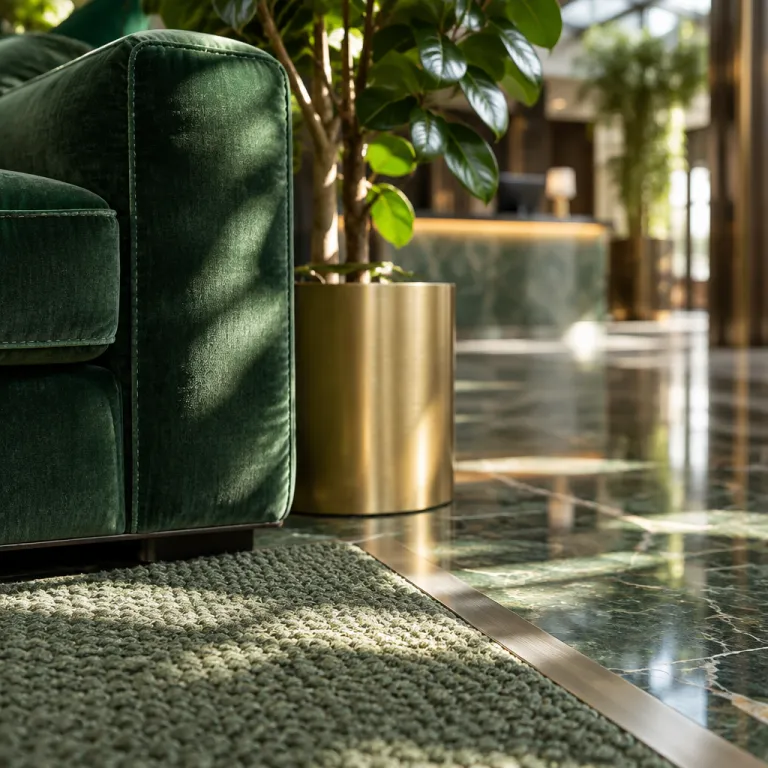
Biophilic design, which brings elements of nature into interior design, has become a powerful tool in urban hospitality. A lobby that uses plants, natural light and organic textures can calm a jet lagged guest faster than any scented candle. When designers integrate biophilic design thoughtfully, they create spaces where you instinctively slow your pace, lower your voice and feel that the hotel will look after you.
Look closely at the selecting materials choices under your feet and under your hand. Stone that will patinate gracefully, timber that can be refinished and fabrics that resist heavy use all signal a long term approach to design hospitality. In contrast, shiny finishes that scratch easily or trend driven colours often reveal a lobby design built more for opening photography than for daily hospitality.
Scent is another subtle but telling layer in any luxury hotel lobby. A fragrance that is barely there, blending with the natural materials and fresh air, usually indicates confidence and respect for guests with sensitivities. Overly strong signature scents can feel like a mask, suggesting that the underlying materials lighting or ventilation choices are less considered.
If you are curious about how these nature driven principles extend beyond the lobby into rooms, our feature on how biophilic design shapes city break hotel rooms offers practical examples. The same logic applies downstairs, where a single tree in a double height space or a glimpse of a planted courtyard can transform the guest experience. In the best lobby designs, biophilic design is not decoration ; it is the backbone of a calm, enduring atmosphere.
Front desk choreography and the solo check in
For a solo explorer, the reception desk encounter is the moment when architecture meets service. Watch how staff move behind the desk and how they handle several guests at once, because this choreography reflects the hotel lobby design first impression luxury promise in real time. A confident team will acknowledge you within seconds, even if they cannot check you in immediately.
Notice whether the lobby hotel layout gives you a comfortable place to stand or sit while you wait. If you are left hovering in a circulation path, squeezed between luggage and arriving groups, the design hospitality priorities are clear. In a well considered lobby, there is always a small seating area within sight of the reception desk where a guest can pause without feeling in the way.
The best luxury hotels train their équipe to read body language as carefully as room preferences. A solo guest arriving with a small bag and city map may want a quick, efficient check in, while someone emerging from a long haul flight might need a slower, more guided welcome. When hospitality design supports this, with clear sightlines and good materials lighting at the desk, staff can maintain eye contact and genuine conversation instead of staring at screens.
Technology should smooth this moment, not complicate it. Tablet based check in at a lobby table can feel relaxed and personal, but only if the surrounding space offers acoustic privacy and comfortable furniture. If you are asked to complete forms on a high stool in the middle of the lobby, the guest experience will feel more like an airport than a luxury hotel.
Watch also how staff handle small frictions such as early arrivals or room changes. A team that offers a key to the spa, a coffee in the lobby bar or a quiet corner to work is signalling that the hotel understands the emotional weight of those first ten metres. Over time, these micro gestures matter more than any statement art or dramatic staircase.
Five second read: a practical checklist for any city break lobby
When you next step into a hotel lobby, run a quick five second scan. First, look at the lobby designs from door to lifts and ask whether you instinctively know where to go. Clear routes, intuitive signage and a reception desk that is visible but not dominating usually indicate a guest centred approach.
Second, check the mix of people using the space. If you see a blend of hotel guests, laptop locals and neighbourhood regulars at the café, the lobby feel is probably that of a shared living room rather than a private stage set. This is often where luxury hotels in dense city centres quietly outperform flashier rivals.
Third, glance at the materials and art around you. Are you seeing a calm palette of natural stone, timber and textiles, or a jumble of shiny surfaces that will date quickly ? Thoughtful selecting materials choices, combined with art that reflects the city rather than generic prints, suggest that designers have considered both story and longevity.
Fourth, assess the lighting in relation to time of day. If natural light is supported by warm, layered artificial lighting that flatters faces and furniture, the guest experience will usually feel relaxed from morning coffee to late night returns. Harsh white light or deep gloom, by contrast, can undermine even the most expensive interior design.
Finally, listen for the sound level and notice how you feel in your body. If you can imagine sitting in one of the seating arrangements for an hour without raising your voice or shifting constantly, the hotel lobby design first impression luxury promise is probably being kept. For more on how ground floor spaces express a property’s values, our piece on what adaptive reuse reveals about a city’s respect for its past offers a useful parallel.
FAQ
How can I tell if a lobby is designed for photos or for people ?
Look at whether the lobby furniture invites you to sit for more than a quick picture. If chairs are low, awkward or far from tables, the lobby design probably prioritises images over real guest comfort. A people focused lobby will have varied seating arrangements, reachable power outlets and lighting that works for reading as well as for photography.
What does a good solo check in feel like in a luxury hotel ?
A strong solo check in starts with immediate eye contact and a brief welcome, even if staff are busy. You should be offered a clear place to stand or sit, and the reception desk process should be explained in simple steps. In the best luxury hotels, staff also give one or two tailored suggestions for the neighbourhood rather than reciting a generic script.
Why does lighting matter so much in a hotel lobby ?
Lighting shapes how you read the space and how you feel in it. Good materials lighting combinations highlight circulation routes, reception areas and art without creating glare or deep shadows. When natural light is balanced with warm artificial layers, the lobby can shift smoothly from daytime café to evening lounge.
How does biophilic design change the lobby experience ?
Biophilic design uses natural elements such as plants, daylight and organic materials to reduce stress and improve comfort. In a lobby, this might mean a view to a courtyard, a tree growing through a double height space or generous use of timber and stone. These touches help a guest feel grounded in the city rather than sealed off from it.
What should I notice in the first ten metres when choosing a city break hotel ?
Focus on circulation, sound level, seating and how staff acknowledge you. If the lobby feels intuitive to navigate, comfortably furnished and acoustically calm, the hotel is likely to support a relaxed city break. A warm greeting within those first steps is often the clearest sign that the guest experience will match the property’s visual promise.