Why Lima Peru tourist attractions suit a refined city break
Lima sits on the Pacific coast of Peru and blends ocean views with serious culture. The city offers some of the best gastronomy in Latin America, which makes it ideal for travellers who value both flavour and finesse. For a short stay in Lima, Peru, you can balance museums, coastal walks, and fine dining in just a few carefully planned days.
Many luxury travellers choose Miraflores as their base in the city because it combines oceanfront parks, upscale hotels, and easy access to key sights in Lima. From Miraflores you can reach the historic centre of Lima in about 25 to 35 minutes by car, depending on the time of day and traffic; ride-hailing fares typically range from US$6 to US$12 for this journey (based on 2024 app estimates). This makes it simple to plan a day trip that includes the Plaza de Armas, the cathedral, and the San Francisco Monastery while still returning to the coast for sunset.
For those planning a longer trip through South America, Lima works as both a gateway and a destination in its own right. Many travellers flying to Peru South for Machu Picchu or the Sacred Valley choose to stay in Lima for at least one night to adjust and enjoy the city. If you love urban energy, refined hotels, and coastal scenery, you may want to stay in Lima for three nights to fully appreciate the top cultural and culinary experiences.
Choosing where to stay in Miraflores and Barranco
Miraflores is often considered the best area to stay in Lima for first time visitors who want comfort and convenience. You will find a concentration of premium hotels, rooftop bars, and ocean facing promenades that make it easy to enjoy the city without long transfers. Parque Kennedy sits at the heart of Miraflores and offers a lively atmosphere with cafés, artisan stalls, and easy access to taxis and ride hailing services.
Parque Kennedy is also a practical reference point when you book tours in Lima because many operators offer pick up from nearby hotels. From this park you can join a free walking tour of the historic centre or arrange a private walking tour that focuses on architecture and history. If you prefer curated inspiration before booking, you can read about elegant ways to experience Lima on a refined city break at this dedicated Lima city break guide.
Barranco, just south of Miraflores, is the artistic heart of the city and a favourite for travellers who value character and nightlife. The district offers colourful streets, restored mansions, and some of the best things to do in Lima after dark, including live music and contemporary galleries. Many luxury guests split their stay in Lima between Miraflores and Barranco to enjoy both polished comfort and creative energy during the same trip.
Historic centre highlights for culture focused travellers
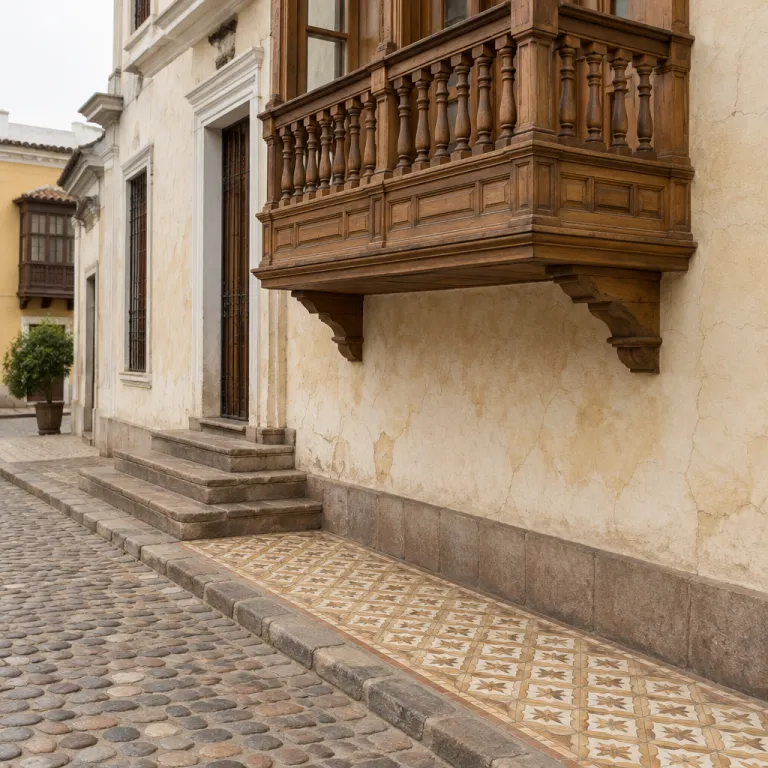
The historic centre of Lima, a UNESCO World Heritage Site since 1988 (UNESCO World Heritage Centre, 2024), is essential for understanding the city’s role in colonial South America. The Plaza de Armas of Lima, also called Plaza Mayor, forms the ceremonial heart of the city and is surrounded by the Government Palace, the cathedral, and elegant arcades. Arrive early in the day, ideally before 10 a.m., to enjoy softer light, fewer crowds, and more time to appreciate the architecture.
Many travellers consider a guided walking tour the best way to explore the historic centre because local guides explain the layers of pre Columbian, colonial, and republican history. A typical walking tour of Lima’s centre lasts about three hours and includes the Plaza de Armas, the San Francisco Monastery, and several lesser known churches and courtyards. If you prefer more flexibility, you can also join a free walking tour that operates on a tip based model, then continue exploring on your own.
From a luxury travel perspective, the historic centre pairs well with a refined lunch or early dinner in a restored mansion. Some high end restaurants near the Plaza de Armas offer tasting menus that reinterpret Peruvian classics with contemporary techniques. This combination of heritage architecture and fine dining allows you to experience both the past and present of Lima, Peru, in a single carefully planned day.
Linking Lima with other refined city breaks
Travellers who enjoy Lima’s historic landmarks and coastal neighbourhoods often appreciate other heritage cities with strong culinary scenes. If you are planning a multi stop itinerary across Latin America and Europe, you might compare Lima with Verona in Italy for a similar blend of romance, architecture, and gastronomy. For inspiration on how another heritage rich city structures a refined escape, you can read about what makes Verona unforgettable for a refined city break at this Verona city break feature.
When you design a longer trip that includes Peru South and European cities, consider how flight times and time zones affect your energy levels. Many travellers choose to begin in South America, spending several days in Lima before flying onward to Europe for a second city break. This sequencing allows you to enjoy Lima’s coastal climate and Peruvian cuisine before shifting to a different cultural context without feeling rushed.
Whether you combine Lima with Verona or another European city, the key is to maintain a balance between structured tours and unplanned time. Book essential tours in advance, such as a guided visit to the historic centre or a curated food experience, then leave space for spontaneous walks and café stops. This approach works especially well in Lima, where the rhythm of the city rewards slow observation as much as scheduled sightseeing.
Miraflores coastal walks, parks, and ocean views
The coastal cliffs of Miraflores offer some of the most memorable viewpoints in Lima for travellers who enjoy walking with a view. The Malecón, a landscaped promenade that stretches for several kilometres, connects a series of parks and viewpoints above the Pacific Ocean. This area is ideal for a relaxed day in the city when you want fresh air, gentle exercise, and easy access to cafés and restaurants.
Parque del Amor, often called Love Park, is one of the top stops along the Malecón and a favourite for couples. The park features colourful mosaics, a large sculpture of an embracing couple, and sweeping views that are especially atmospheric at sunset. On clear evenings you can often hear the sound of waves breaking far below the cliffs while locals share picarones and ice cream on the benches.
Farther along the coast, you will find other green spaces that make Miraflores feel both urban and relaxed. Parque Kennedy, although inland, anchors the commercial heart of the district and offers a different kind of park experience with street food, artisans, and frequent events. For a curated overview of these coastal and urban highlights, you can consult an elegant guide to Lima Peru sites for a refined city break at this specialised Lima sites article.
Active ways to enjoy the Miraflores coastline
Active travellers will find many things in Lima that combine movement and scenery along the Miraflores cliffs. You can rent a bicycle to ride the Malecón, join a small group running tour at sunrise, or simply plan a self guided walking tour that links the main parks. These activities work well on the first day of your trip because they help you adjust to the city while staying outdoors.
Paragliding from the Miraflores cliffs is another popular activity for those who want a different perspective on the city. Tandem flights typically last around ten minutes and offer sweeping views of the Pacific, the skyline, and the green ribbon of parks that define this part of Lima. If you prefer to stay on the ground, you can watch the paragliders from Parque del Amor or nearby viewpoints while enjoying a coffee from a local kiosk.
When planning your time in Miraflores, consider how these coastal experiences fit with your broader list of must see places in Lima. Many travellers choose to spend one full day focused on the Malecón, parks, and ocean views, then dedicate another day to the historic centre and museums. This structure allows you to enjoy both the relaxed coastal side of Lima and the more formal cultural institutions without feeling rushed.
Barranco’s creative energy and evening atmosphere
Barranco, just a short ride from Miraflores, offers a different expression of Lima’s appeal with its bohemian character and creative scene. The district’s streets are lined with colourful houses, street art, and small galleries that showcase contemporary Peruvian talent. Many visitors consider Barranco one of the best areas in the city for an evening stroll followed by dinner and drinks.
The Puente de los Suspiros, or Bridge of Sighs, is a symbolic landmark in Barranco and a popular stop on many walking tours. From the bridge you can descend toward the ocean, passing cafés and bars that come alive after dark with music and conversation. This area illustrates how Lima, Peru, blends historic architecture with modern nightlife in a way that appeals to travellers from across Latin America and beyond.
For luxury and premium travellers, Barranco also offers refined dining options that highlight Peruvian ingredients in creative ways. Several acclaimed restaurants in the district focus on tasting menus, wine pairings, and attentive service that align with the expectations of high end guests. Many visitors choose to stay in Lima’s Miraflores district but plan at least one evening in Barranco to experience this distinctive atmosphere.
Combining Barranco with cultural tours and day trips
Barranco works well as a base for certain themed tours in Lima, especially those focused on art, design, and gastronomy. You can join a guided tour that visits galleries, studios, and street art sites before ending with a tasting of Peruvian snacks and drinks. Some operators also offer evening walking tours that combine history, architecture, and bar stops for a relaxed yet informative experience.
From Barranco it is straightforward to arrange a day trip to other parts of the city or nearby coastal areas. Many travellers pair a morning in Barranco with an afternoon visit to the historic centre, using ride hailing services or private transfers to move efficiently between districts. This approach allows you to experience both the creative and ceremonial sides of Lima, Peru, within the same day.
When planning your overall trip, consider how many nights you want to stay in Lima to enjoy both Miraflores and Barranco without rushing. Two nights can work for a focused city break, but three nights often provide a more relaxed rhythm with time for both structured tours and unplanned exploration. This balance is especially valuable for luxury travellers who appreciate both curated experiences and the freedom to linger in places that resonate.
Gastronomy, cooking classes, and fine dining in Lima
Lima is widely regarded as one of the gastronomic capitals of Latin America, which makes food a central part of any visit. The city’s restaurants range from casual cevicherías to some of the best fine dining establishments in the world, many of which appear on international rankings such as The World’s 50 Best Restaurants (2023 list). For luxury travellers, this culinary depth is one of the main reasons to include Lima in a broader South America itinerary.
Peruvian cuisine reflects a blend of indigenous, Spanish, African, Chinese, and Japanese influences, which you can experience in both street food and tasting menus. Many visitors plan their days around key meals, booking lunch at a renowned ceviche spot and dinner at a contemporary restaurant that offers a multi course journey through Peru’s regions. When you stay in Lima for several nights, you can sample coastal seafood, Andean flavours, and Nikkei dishes that combine Japanese techniques with Peruvian ingredients.
Cooking classes are an excellent way to engage more deeply with local food culture while adding a memorable activity to your trip. A typical cooking class in Lima includes a market visit, an introduction to Peruvian ingredients, and hands on preparation of dishes such as ceviche and lomo saltado. These experiences often include a pisco sour demonstration, which helps you understand why this cocktail is so closely associated with Peru South and its coastal cities.
Planning restaurant reservations and food focused tours
For top tier restaurants in Lima, advance reservations are essential, especially if you are travelling during peak holiday periods. Many high end venues open their booking calendars several weeks or months ahead, so it is wise to check availability as soon as you confirm your flights. If you cannot secure a table at the most famous names, consider their sister restaurants or other respected venues that offer excellent value and slightly easier access.
Food focused tours can help you sample a wide range of flavours in a single day without the stress of logistics. Options include guided market visits, street food tours, and progressive dinners that move between several restaurants in Miraflores and Barranco. These tours often highlight both classic Peruvian dishes and contemporary interpretations, giving you a broad sense of why Lima’s gastronomy is considered among the best in the Americas.
When you design your itinerary, balance structured food experiences such as cooking classes and tasting menus with unplanned café stops and casual lunches. This mix allows you to enjoy the full spectrum of things in Lima related to food, from simple empanadas to elaborate multi course dinners. For many travellers, these culinary memories become the defining highlight of their time in Lima, Peru.
Key Lima Peru tourist attractions beyond the city centre
While Miraflores, Barranco, and the historic centre hold many of the top Lima Peru tourist attractions, several sites beyond these core areas are worth your time. Huaca Pucllana, an adobe pyramid in Miraflores, offers a striking contrast between ancient architecture and modern high rises. Guided tours of Huaca Pucllana explain the pre Inca cultures that once occupied the Lima valley and provide context for the city’s long history.
Many travellers also use Lima as a starting point for longer journeys within Peru South, including trips to Cusco and Machu Picchu. Although Machu Picchu lies far from the capital, the logistics of flights and acclimatisation mean that most visitors will stay in Lima at least once at the beginning or end of their trip. This makes it practical to plan a mix of city based activities and onward travel within the same overall itinerary.
For those with extra time, day trips from Lima can include coastal destinations, archaeological sites, or nature reserves south of the city. While these excursions require more planning and driving time, they offer a broader view of central coastal Peru and its landscapes. Luxury travellers often arrange private tours for these outings to ensure comfort, flexibility, and personalised commentary.
Structuring your stay in Lima around tours and free time
When you plan how long to stay in Lima, consider both your interest in urban culture and your broader South America route. Two full days allow you to see the main city highlights, including the historic centre, Miraflores coastline, and Barranco, while three days provide space for a cooking class or additional museum visits. If you are connecting to Machu Picchu or other Andean destinations, factor in flight schedules and potential delays when arranging your Lima hotel nights.
Many visitors choose to book at least one structured tour in Lima, such as a city overview, a food experience, or a themed walking tour. These tours help you orient yourself quickly and ensure that you cover the best things in Lima without missing key sites. After that, unstructured time becomes more rewarding because you already understand the layout of the city and its main districts.
For premium and luxury travellers, private or small group tours often provide the best balance of comfort and depth. You can customise the pace, focus on specific interests such as architecture or contemporary art, and avoid large crowds. This tailored approach aligns well with the expectations of guests who book high end city break hotels and want their Lima experience to feel both efficient and personal.
Statistics and key figures about Lima travel
- Lima received around 4.4 million international visitors in 2019 according to data from PROMPERÚ’s tourism report for that year (PROMPERÚ, 2020), making it the most visited city in Peru and a major gateway to South America.
- More than 60 percent of international travellers to Peru pass through Lima at least once during their trip, based on figures from the Ministry of Foreign Trade and Tourism’s 2019 statistics, which underlines the city’s strategic role in regional itineraries.
- Several Lima restaurants regularly appear in the top 50 of global rankings such as The World’s 50 Best Restaurants, reinforcing the city’s reputation as a leading fine dining destination in Latin America.
- The historic centre of Lima has been listed as a UNESCO World Heritage Site since 1988, recognising its concentration of colonial architecture and urban layout.
- Average flight time from major North American hubs such as Miami to Lima is around six hours, which makes the city a practical long weekend destination for travellers from the United States and Canada.
FAQ about Lima Peru tourist attractions
How many days should I stay in Lima on a city break ?
For a focused city break that covers the main Lima Peru tourist attractions, plan at least two full days. This allows time for the historic centre, the Miraflores coastline, and an evening in Barranco. If you want to include a cooking class, additional museums, or a relaxed schedule, three days is more comfortable.
Is Miraflores or Barranco better for a first stay in Lima ?
Miraflores is usually the best choice for a first stay in Lima because it offers a wide range of hotels, easy access to tours, and convenient transport links. Barranco suits travellers who prioritise nightlife, art, and a more bohemian atmosphere. Many visitors split their time between both districts to enjoy different sides of the city.
Do I need to book tours in Lima in advance ?
For popular activities such as food tours, cooking classes, and full day city tours, advance booking is strongly recommended, especially in high season. Free walking tours and some shorter experiences can sometimes be arranged on the same day, but availability is not guaranteed. Luxury and premium travellers who value a seamless experience usually reserve key tours before arrival.
Is Lima safe for walking in Miraflores and Barranco ?
Miraflores and Barranco are among the safest areas for visitors in Lima, particularly along main streets and the coastal promenade. Normal urban precautions still apply, such as avoiding isolated areas late at night and keeping valuables discreet. Many travellers feel comfortable walking between restaurants, parks, and hotels in these districts during the evening.
Should I visit Lima if my main goal is Machu Picchu ?
Even if Machu Picchu is your primary goal, spending at least one or two nights in Lima adds significant value to your trip. The city offers world class gastronomy, important museums, and a clear introduction to Peruvian history and culture. Because most international flights arrive in Lima, using the city as a cultural stop before or after the Andes is both practical and rewarding.