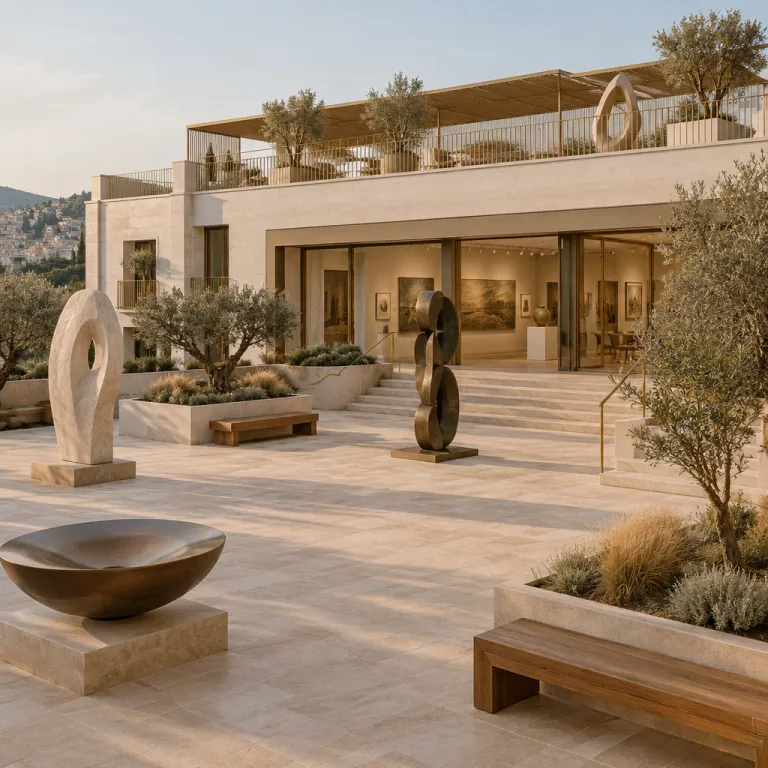
From framed décor to patronage: when hotel art becomes a reason to stay
Walk into many luxury hotels and you will notice framed artwork that politely fades into the background. A genuinely art-led hotel stay feels different, because the property behaves less like a decorator and more like a patron with a point of view. For solo guests who choose a city break for stimulation as much as rest, that shift in attitude changes the entire experience.
At the most engaged hotels, the art collection is curated with the same care as the wine list, and the pieces are commissioned rather than bought wholesale from catalogues. Properties such as The Betsy Hotel on Miami Beach, 21c Museum Hotel in Louisville and The Battery in San Francisco treat corridors as evolving galleries, where contemporary work hangs beside historic references to the neighbourhood and where featured artists are named, contextualised and often present in person. The result is a living visual narrative that links each room, public space and even the hotel spa to the creative pulse of the city outside.
Think of the difference as hotel art versus hotel as cultural institution, where exhibitions and events are not a side note but a core promise. In the United States, some historic hotels now maintain serious collections that rival small museums, while newer Miami Beach and San Francisco openings commission site-specific pieces that respond to their streets. For a solo traveller, this level of intent turns a standard room into a quiet artist residence for the night and transforms a short stay into a compact but meaningful cultural encounter.
Artist residencies, rotating collections and the city at your doorstep
The most interesting art-focused hotel experience usually starts with a simple question at check-in: which artists are in residence this month. When a hotel runs a serious residency programme, the lobby becomes a working studio, the bar turns into a salon and guests are invited to watch the creative process rather than just admire finished pieces. This model gives solo travellers a low-pressure way to meet locals and visiting artists without signing up for a formal tour.
Rotating collections keep repeat stays fresh, especially when the hotel offers curator-led walks through the property that end in a nearby museum or independent gallery. In Miami, for example, several beach hotels now time their cultural programming around major contemporary art fairs such as Art Basel Miami Beach, using their own displays as a primer before sending guests into the city. A thoughtful art hotel will also map nearby studios, design and music venues and small spaces where local artists show experimental work, often supported by residency schemes like The Betsy’s Writers Room or the artist-in-residence programme at the DeYoung Museum in San Francisco.
Historic hotels in cities such as San Antonio or San Diego often combine their own architecture with contemporary commissions that speak to layered local stories. Here, an artist residency might focus on reinterpreting a building’s past, creating magnificent work that is then installed in public spaces for future guests to enjoy. For the solo explorer, this creates a strong sense of place, because every piece, from large-scale sculpture in the lobby to intimate drawings in the room, is rooted in the streets you are about to walk.
Why solo travellers are the natural audience for cultural hotel stays
Travelling alone sharpens your senses, and an art-centred hotel stay gives that attention somewhere rewarding to land. When you arrive at a property that treats its collection as a conversation starter, you gain an instant way to connect with staff, other guests and the city’s creative community. A single question about a particular artwork can lead to a recommendation for a late-night exhibition opening or a café where local artists gather after work.
Because you set your own schedule, you can linger in a quiet gallery-style corridor, read wall texts in peace or join a last-minute studio visit suggested by the concierge. Many hotels now train their teams to use cultural programming as a soft itinerary builder, pairing in-house talks by featured artists with neighbourhood walks that link murals, museums and live music venues. For a solo traveller, this structure offers just enough scaffolding to feel guided, while leaving plenty of room for unscripted experience.
When you choose a property through a specialist city-break platform rather than a generic booking engine, you can filter for hotels where art, artist residence programmes and thoughtful design are clearly documented. One useful tactic is to pair an urban cultural stay with a slower coastal interlude, using a refined relaxation guide or spa-focused feature to balance stimulation and rest. That way, your art-rich city break in a dense neighbourhood can be followed by a quieter beach hotel retreat, while still keeping a thread of creative inspiration running through the whole trip.
How to read the room: separating substance from set dressing
Not every property that talks about an art programme delivers more than decorative prints. The first test is simple: are the artists named, and can the front desk explain why their work is here rather than anywhere else. If staff cannot tell you whether the display is part of a coherent collection or just a shipment of generic pieces, you are probably in decorator territory.
Substantive cultural programming usually comes with structure, such as printed or digital catalogues, scheduled talks, or a clear residency calendar with dates and featured artists. Look for partnerships with respected museum institutions, independent gallery spaces or local creative schools, which signal that the hotel is plugged into the city’s real cultural ecosystem. In some United States cities, the most serious hotels even employ an in-house curator whose role sits alongside the spa director and food and beverage manager, sometimes supported by advisory boards drawn from nearby museums.
Pay attention to how design flows through the property, from the lobby to the room and into shared spaces like the spa or rooftop bar. When an art-forward hotel stay is thoughtfully executed, you will notice consistent themes, recurring local artist names and a balance between historic references and contemporary commissions. The risk, of course, is that art becomes pure branding, but the properties that get it right let the work speak quietly, allowing guests to engage at their own pace and depth.
Planning your cultural immersion: using hotel programmes as your city guide
Once you have chosen a property that takes its cultural role seriously, use it as a planning tool rather than just a place to sleep. Start by mapping the artists in the hotel collection against the city outside, asking the concierge which neighbourhoods shaped their work and where you can see more pieces. This simple exercise often reveals under-the-radar districts that do not appear on standard tourist maps but are rich in creative energy.
Many hotels in Miami, San Francisco and other United States hubs now publish cultural calendars that align with local gallery nights, museum late openings and design or music festivals. Use these schedules as a backbone for your stay, then add unstructured time to wander between venues, stopping in cafés and bars where artists and curators actually talk shop. When a hotel offers studio visits or small-group walks led by a local artist from its residency programme, prioritise these; they compress months of research into a single, vivid afternoon.
For travellers who value both culture and comfort, pairing an urban art-focused hotel with a restorative property that foregrounds landscape can create a balanced itinerary. A morning spent tracing magnificent work in a historic corridor can be followed by an afternoon in a quiet park, processing what you have seen and heard. Over several trips, this approach turns hotels from interchangeable backdrops into a personal network of creative anchors, each stay adding another layer to your own evolving collection of memories and experiences.
FAQ
How can I tell if a hotel’s art programme is genuinely curated
Look for named artists, clear information about the collection and evidence of collaboration with local galleries or museums. Serious hotels usually publish details about their cultural programming, including talks, tours or an artist residency schedule. If staff can explain why specific pieces were chosen and how they relate to the city, you are likely in good hands.
Are art focused hotels more expensive than other luxury properties
Rates vary by city, but a strong art-led stay does not always mean a higher nightly price. Some properties treat cultural programming as a brand signature rather than a premium add-on, keeping rates competitive with comparable hotels. The best value comes when access to exhibitions, talks or studio visits is included rather than sold as separate tickets.
What should a solo traveller prioritise when choosing an art led hotel
Location within walking distance of galleries and creative districts matters as much as the in-house collection. Check whether the hotel offers small-scale events, such as curator talks or neighbourhood walks, which are ideal for solo guests. A clear residency programme or partnerships with local artists is another strong indicator that you will find meaningful cultural encounters on site.
Do I need prior art knowledge to enjoy these kinds of stays
No formal background is required, because the best hotels design their cultural programming to be accessible and conversational. Wall texts, short catalogues and informal talks help guests engage with artwork at their own pace. Curators and artists usually welcome simple questions, turning curiosity into a relaxed learning experience.
Can hotel art programmes help me plan the rest of my city break
Yes, a thoughtful art-focused hotel often doubles as a compact city guide. Use the artists and themes featured on site as starting points for exploring nearby galleries, museums and creative venues. Concierge teams at these properties are typically well connected and can suggest routes that link the hotel’s artwork to the wider cultural landscape.